
Unpermitted Paradise: The Wild West of the Big Island's East Side
Excerpt: $80,000 for 3 acres of Hawaiian jungle sounds like the ultimate off-grid arbitrage, until you hit solid volcanic rock. The unvarnished math on building in Pahoa, the East Side's underground economy, and the brutal reality of the 2 AM timezone grind.
I’ve been to all the Hawaiian islands a few times. Kauai is stunning, Maui is a postcard, but they are exorbitantly expensive and built almost entirely for vacations. I didn't come to Hawaii to sit at a resort, drink Mai Tais, and pretend I wasn't bleeding cash.
I came to the East Side of the Big Island to scout land, build an off-grid base, and run remote US operations.
The Big Island is the last refuge. It is where the majority of Native Hawaiians are moving because they have been completely priced out of their ancestral homes on Oahu and Kauai. But before you can understand the reality of land hunting in the deep jungle of Puna, you have to understand the ghosts of Hilo and the structural isolation of the East Side.
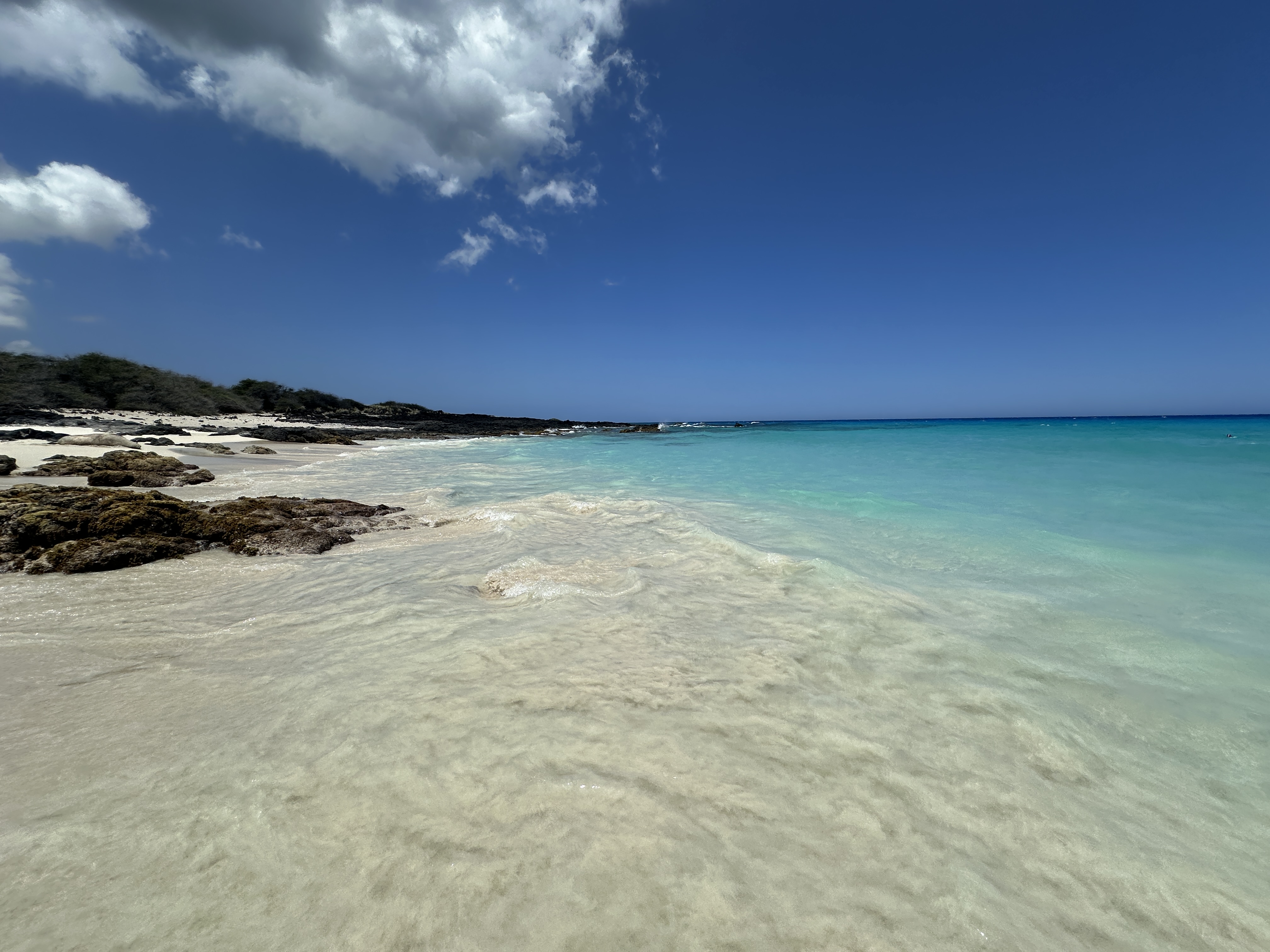
The Ghost of Hollywood Hilo and the Red Road
If you walk through downtown Hilo and actually pay attention to the civil engineering, the infrastructure doesn't make sense for a sleepy, rusty fishing town.
Back in the mid-20th century—the era of Hawaiian Elvis, tiki parties, and jet-age glamour—Hilo was positioned to be the ultimate Pacific paradise city. Ultra-wealthy elites and Hollywood types started buying in. The city poured an epic amount of money into civil infrastructure to support the vision of a perfect, utopian city by the bay.
You see the remnants of it everywhere. The massive, perfectly manicured Japanese gardens (Liliʻuokalani Gardens), sprawling public libraries that feel like Zen retreats, and wide roads carved out for massive mansion estates that were supposed to house the Marilyn Monroes of the world.
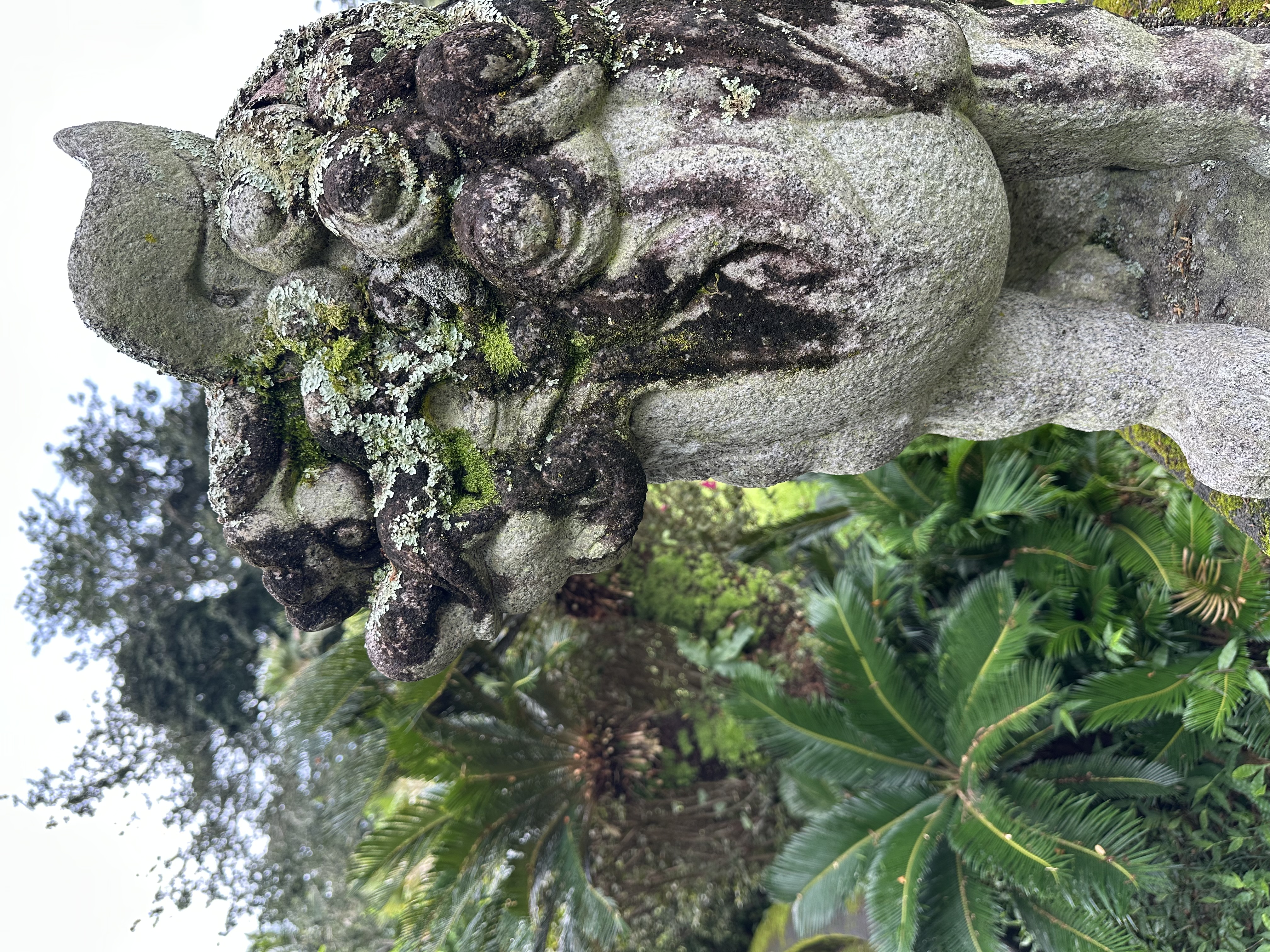
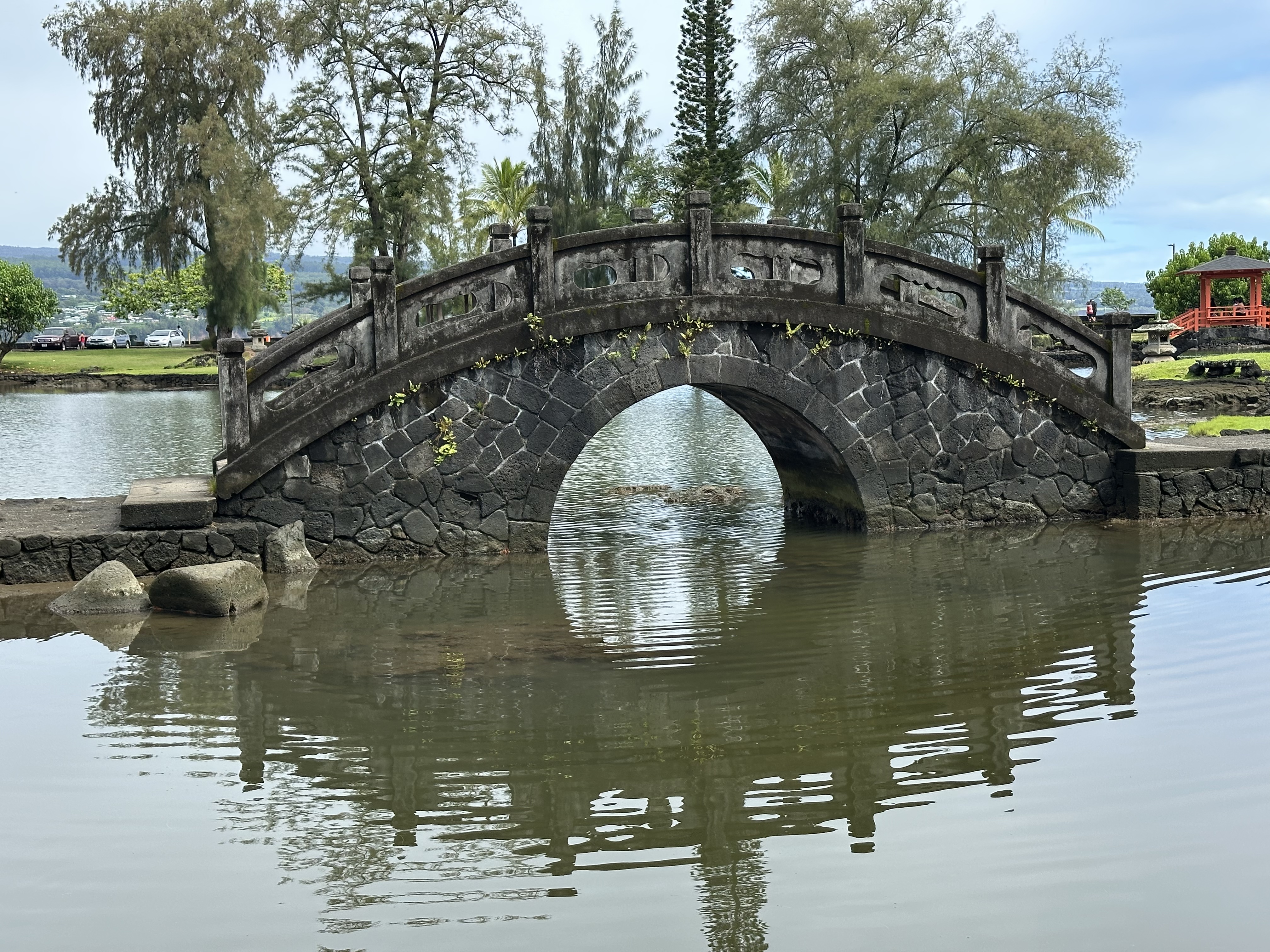
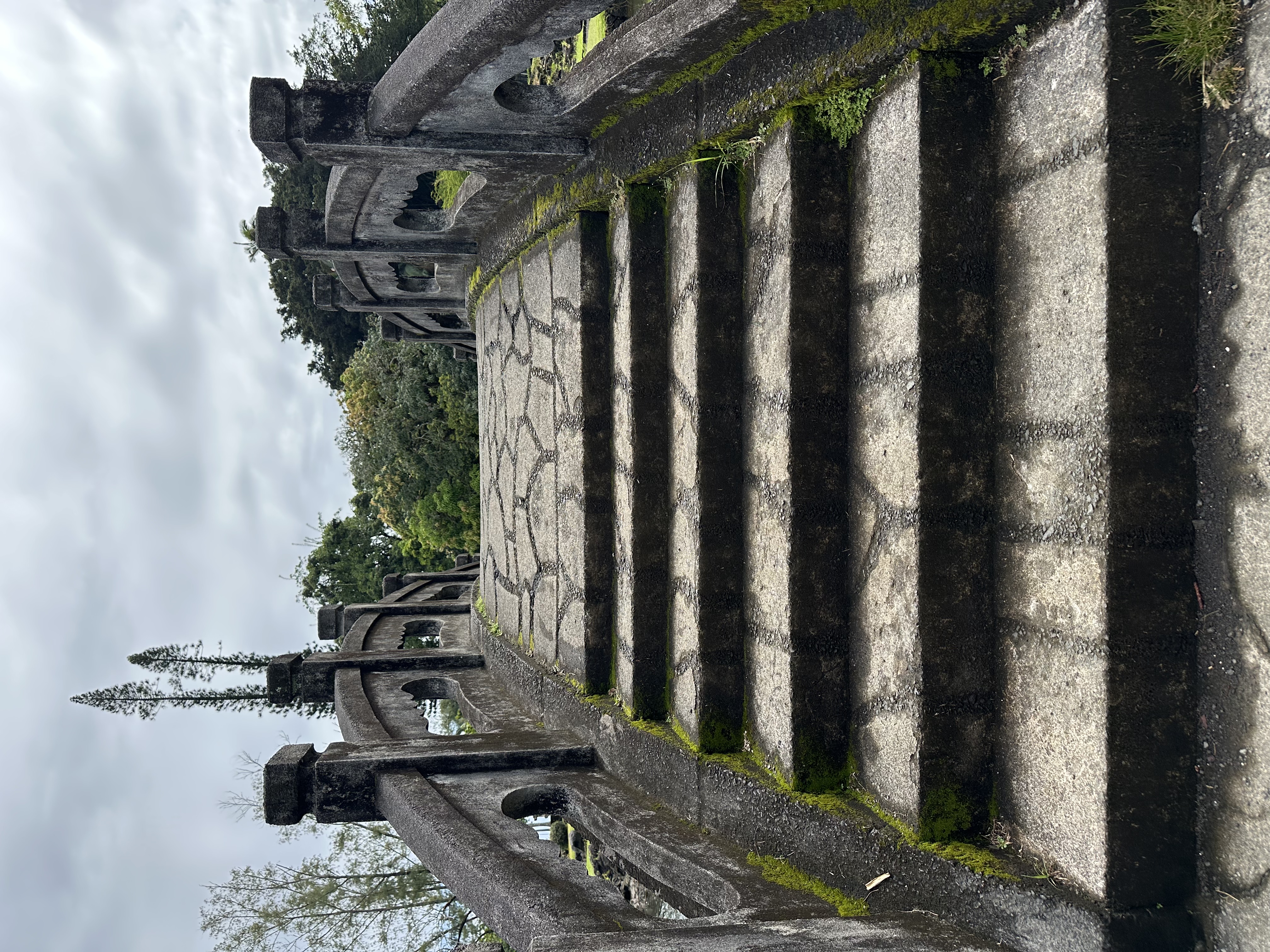
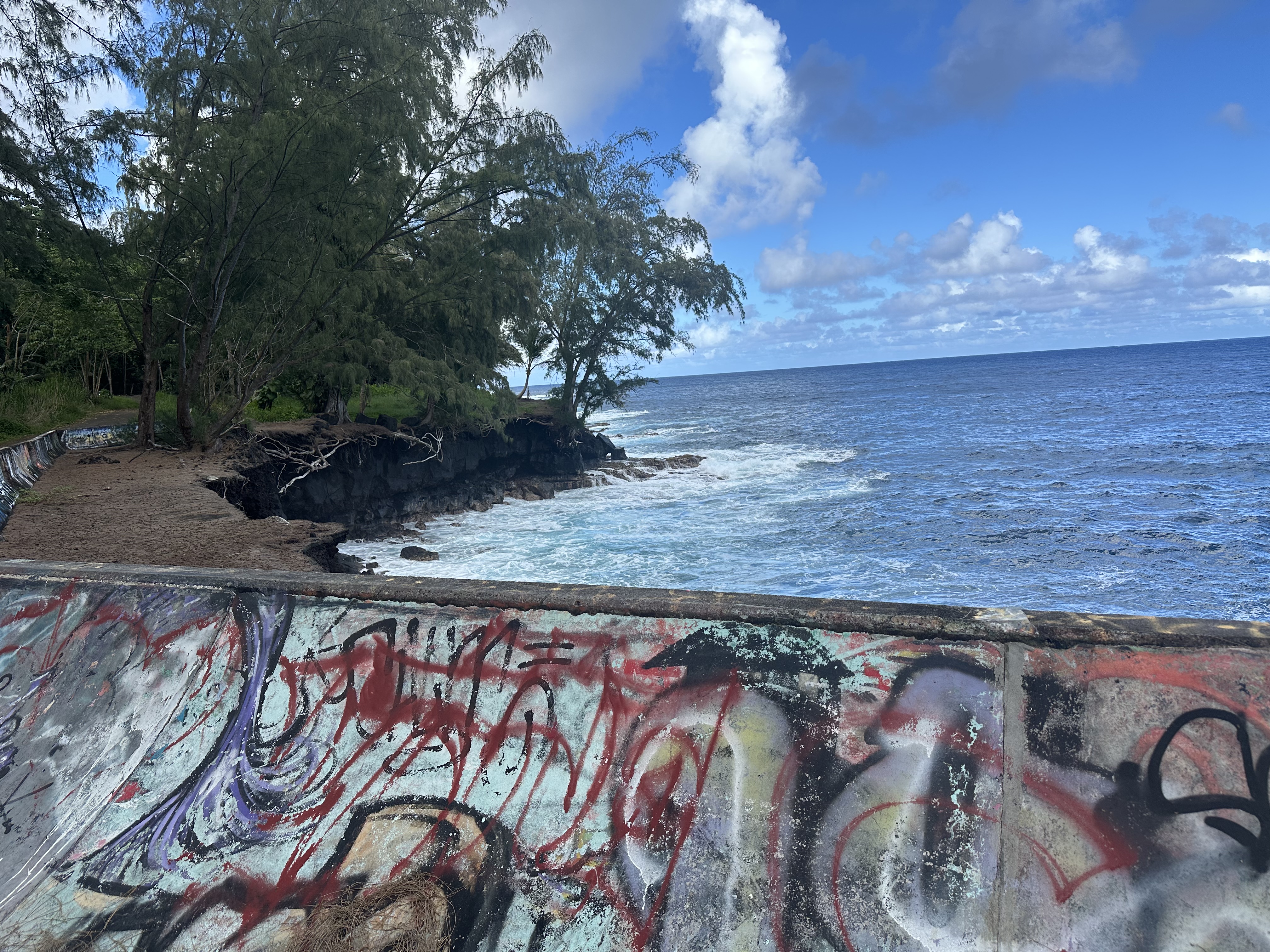
They didn't just build infrastructure; they terraformed it. In the era before strict invasive species restrictions, these millionaires were shipping in exotic plants and flowers from all over the world to landscape their estates. For almost 20 years, their landscapers took the daily botanical clippings and dumped them down a stretch called the Red Road (Kapoho Kalapana Road).
What happens when you dump massive piles of global invasive species into the most nutrient-dense volcanic soil on earth?
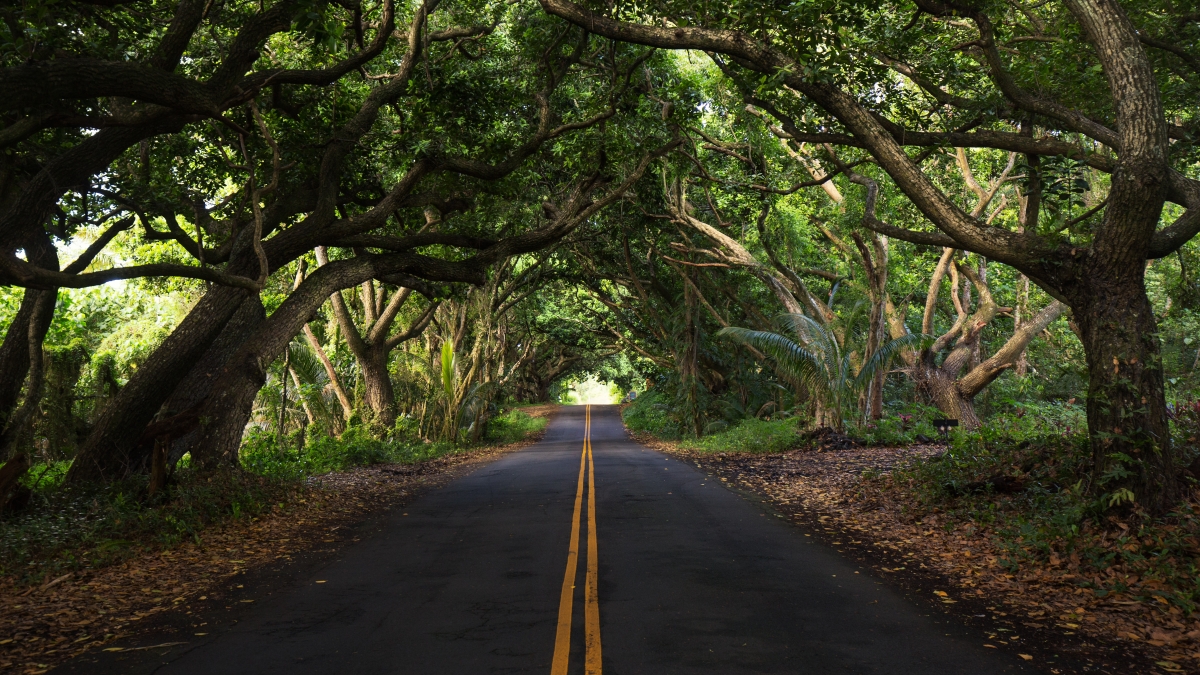
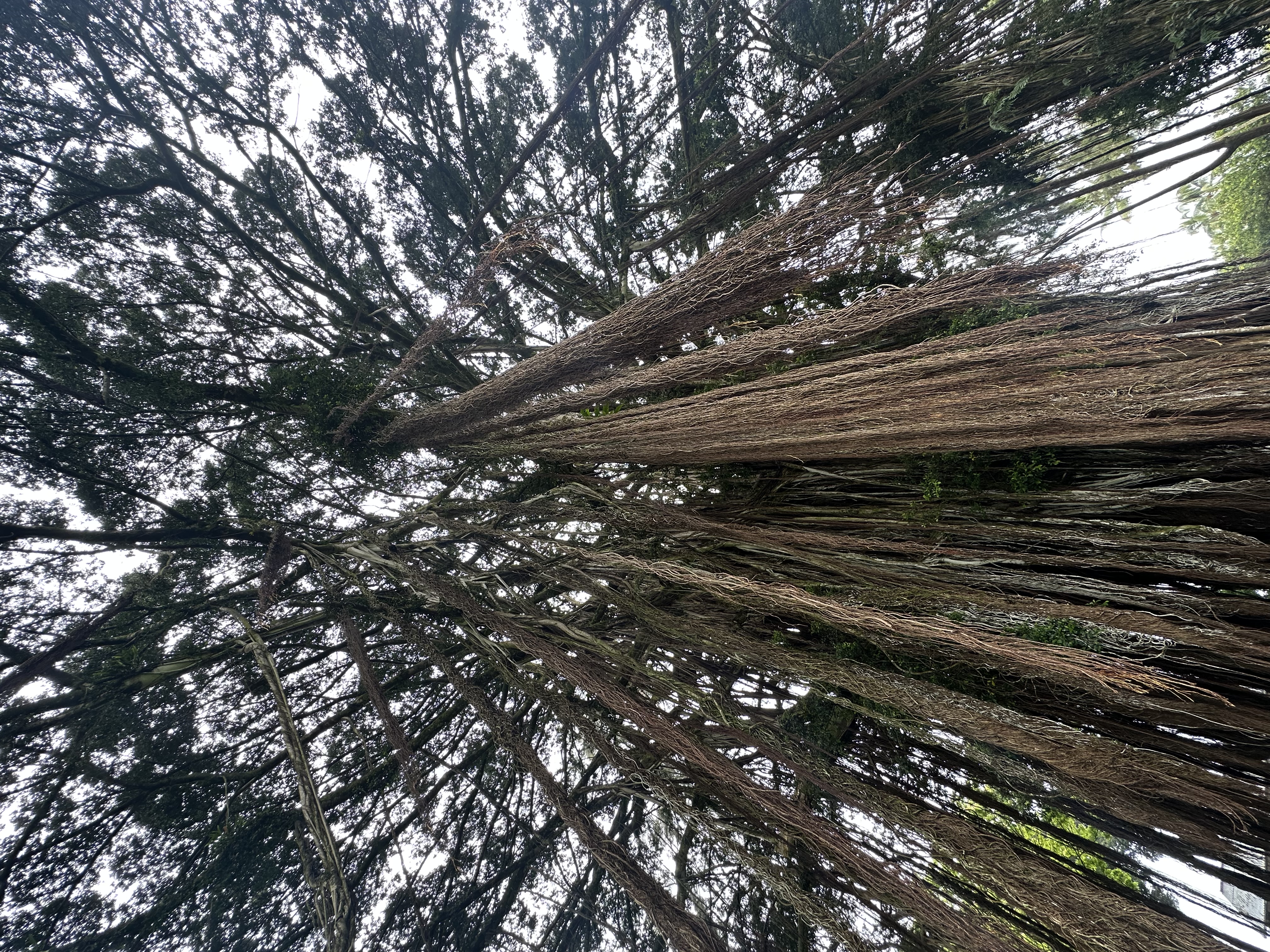
You get the Red Road. It is a literal tunnel of deep, thick foliage, rainbow eucalyptus, and acacia trees arching directly over the asphalt. You drive through a massive, breathtaking canopy that wasn't planted intentionally—it grew out of 20 years of Hollywood yard scraps.
The Puna Land Rush and Permaculture LARPing
The Hollywood money eventually left after the tsunamis of 1946 and 1960, leaving Hilo to decay back into the jungle. But right now, the East Side—specifically Pahoa and Keaau—is going through a bizarre, chaotic renaissance.
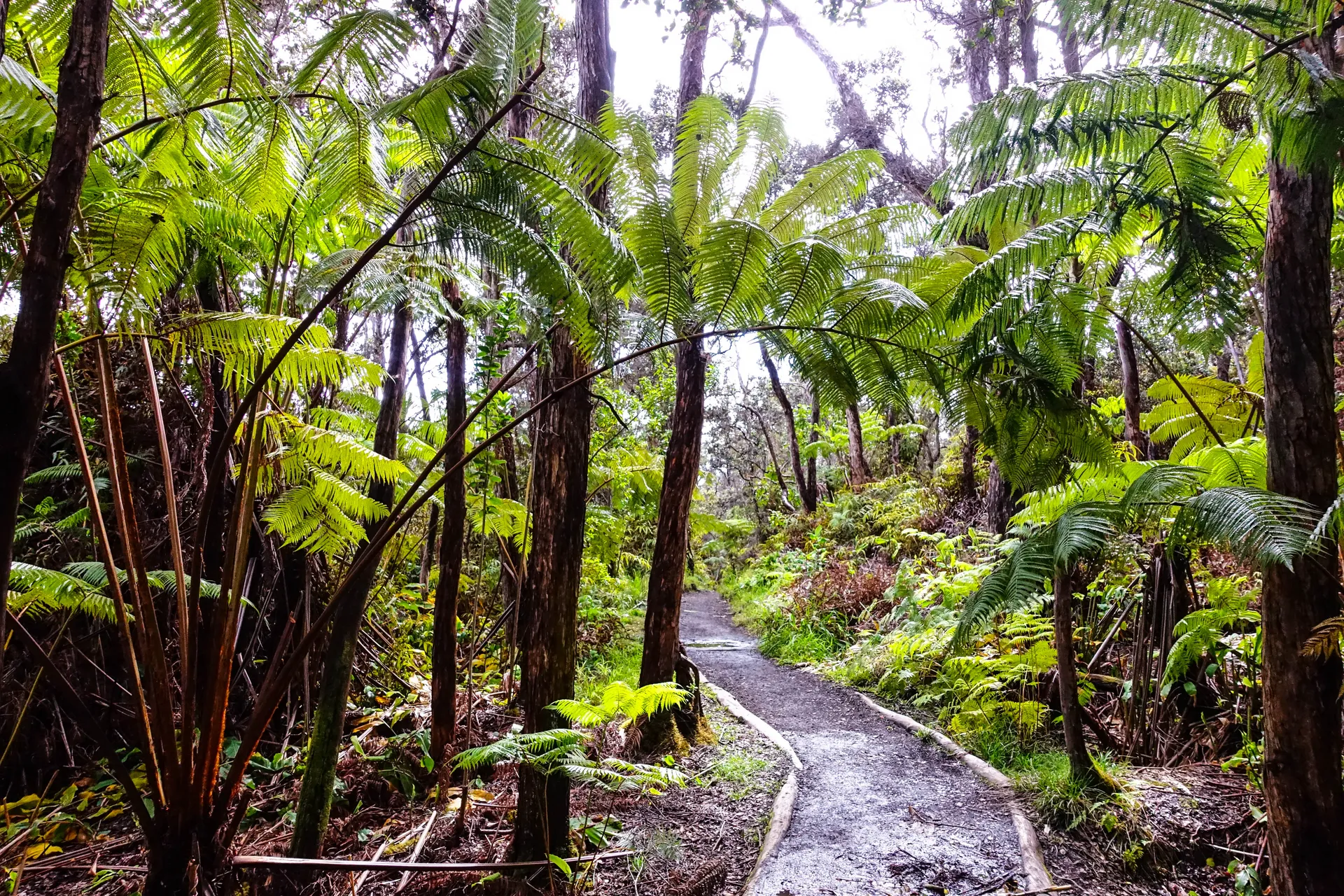
During the COVID era, there was a massive influx of mainlanders who realized they could buy a 3-acre plot of deep, Jurassic Park-style jungle for $20,000. They bought in to build homesteads, grow their own avocados, and live out a Pangea dream. On an island with a relatively small population, there are now over 12,000 undocumented, unpermitted homes hidden in the jungle.
Because of the massive military infrastructure just north on Oahu, the island has an incredible data backbone. You can get cheap, blazing-fast fiber internet pulled directly into an unpermitted shack.
But the permaculture dream is largely a myth. The vision is that everyone is living off the land in total harmony. The reality is that mass farming here doesn't exist. Even at the local farmers markets, growing produce is just a side hustle. It is strictly supplemental for individual households. The jarring truth is that the majority of produce in the grocery stores—and shockingly, even the fish—is flown in frozen from the mainland or Asia.
The Hard Math of Basalt and Lava Zones
The days of $20K land are long gone. Today, you can grab 3 acres of the most lush jungle on earth for around $80,000. It sounds like an incredible arbitrage play.
But why is it so cheap and unpermitted? Because you are building in Lava Zones 1 and 2.
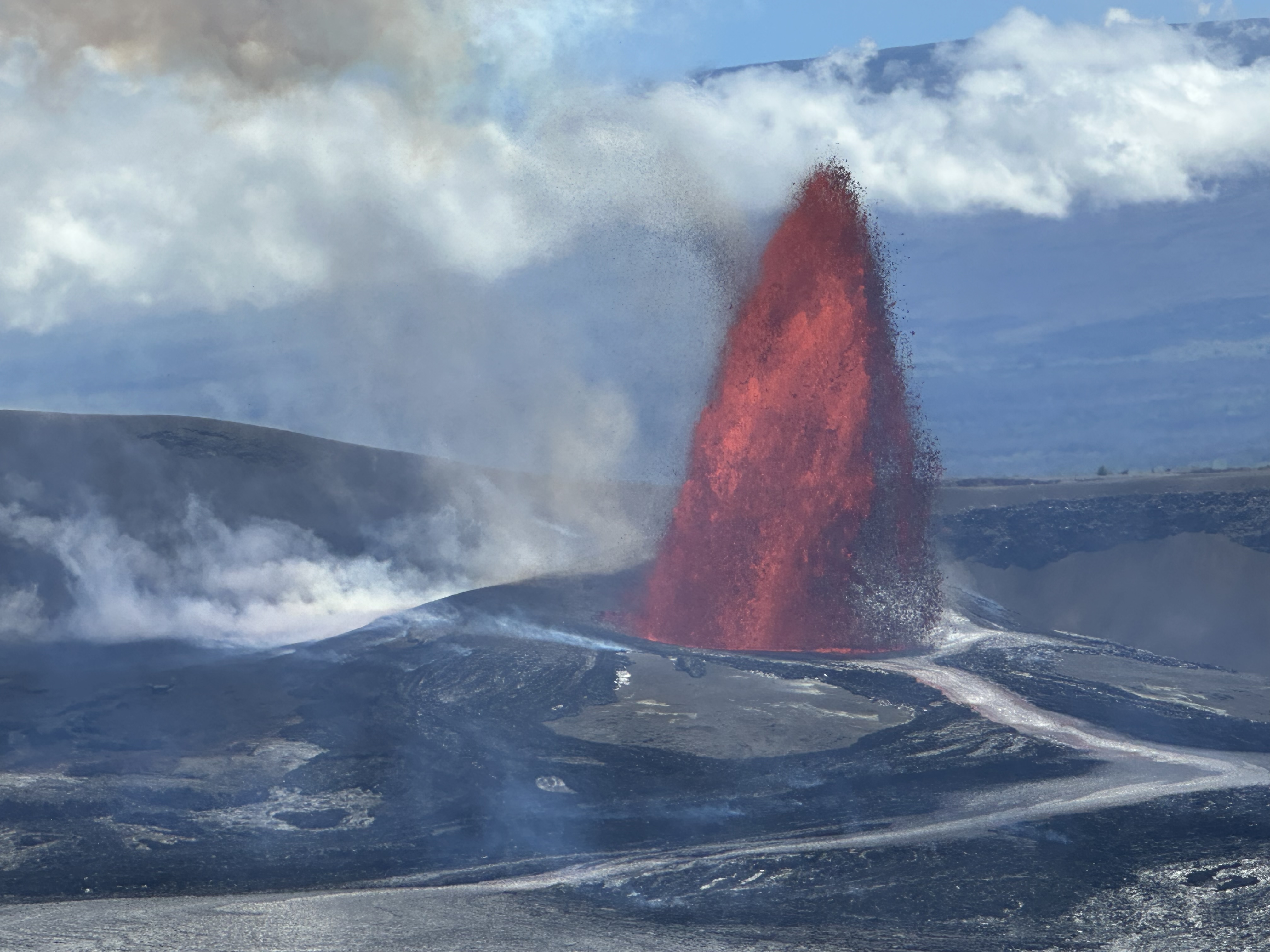
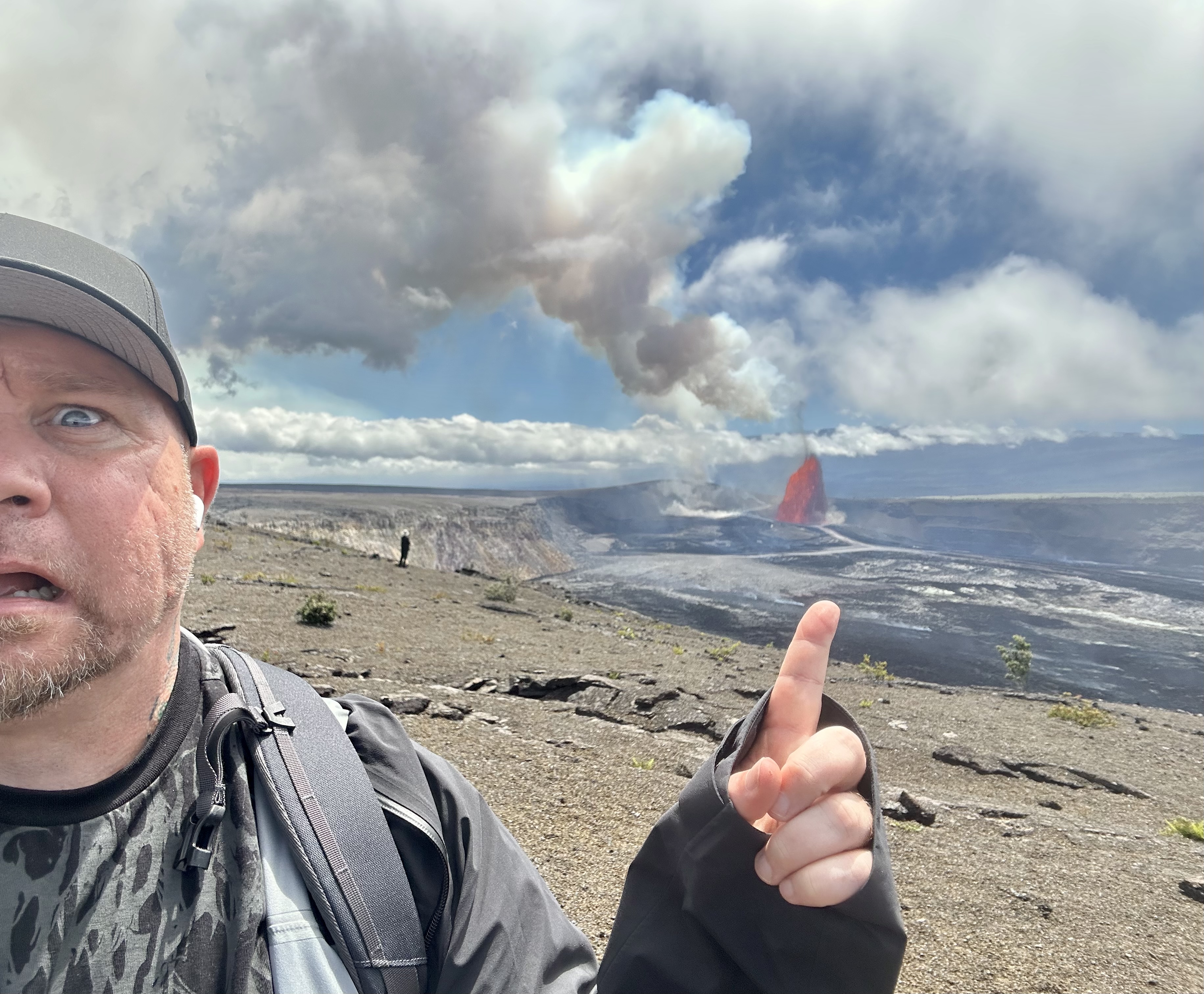
You literally cannot get standard homeowners insurance. Because you can't get insurance, you cannot get a traditional mortgage. It forces a 100% cash economy, which naturally filters for a very specific demographic: preppers, off-grid outlaws, and people actively running from the system.
When you actually try to build, the math gets brutal. You want running water and a septic system, but the entire East Side sits on solid volcanic rock covered by about two inches of topsoil. Just to dig the hole for a standard septic tank costs $80,000 because they have to bring in heavy machinery to hammer through solid basalt.
Even if you completely bypass the permitting process, you get hit by the Pacific shipping tax. Lumber, nails, plumbing, electrical wire—everything is shipped to the most isolated landmass on earth. Building materials cost nearly double what they do on the mainland. An unpermitted, humble build on an $80K plot will easily cost you $300,000 minimum before you can even sleep in it.
The Jungle Tax (Feral Pigs and Catchment Water)
Then you have to actually survive the environment.
We talk about the amazing volcanic soil, but we don't talk about the jungle actively trying to destroy you. The humidity hovers around 90%. Mold grows on everything. Your tools rust in a week. If you have expensive tech gear, it will degrade rapidly.
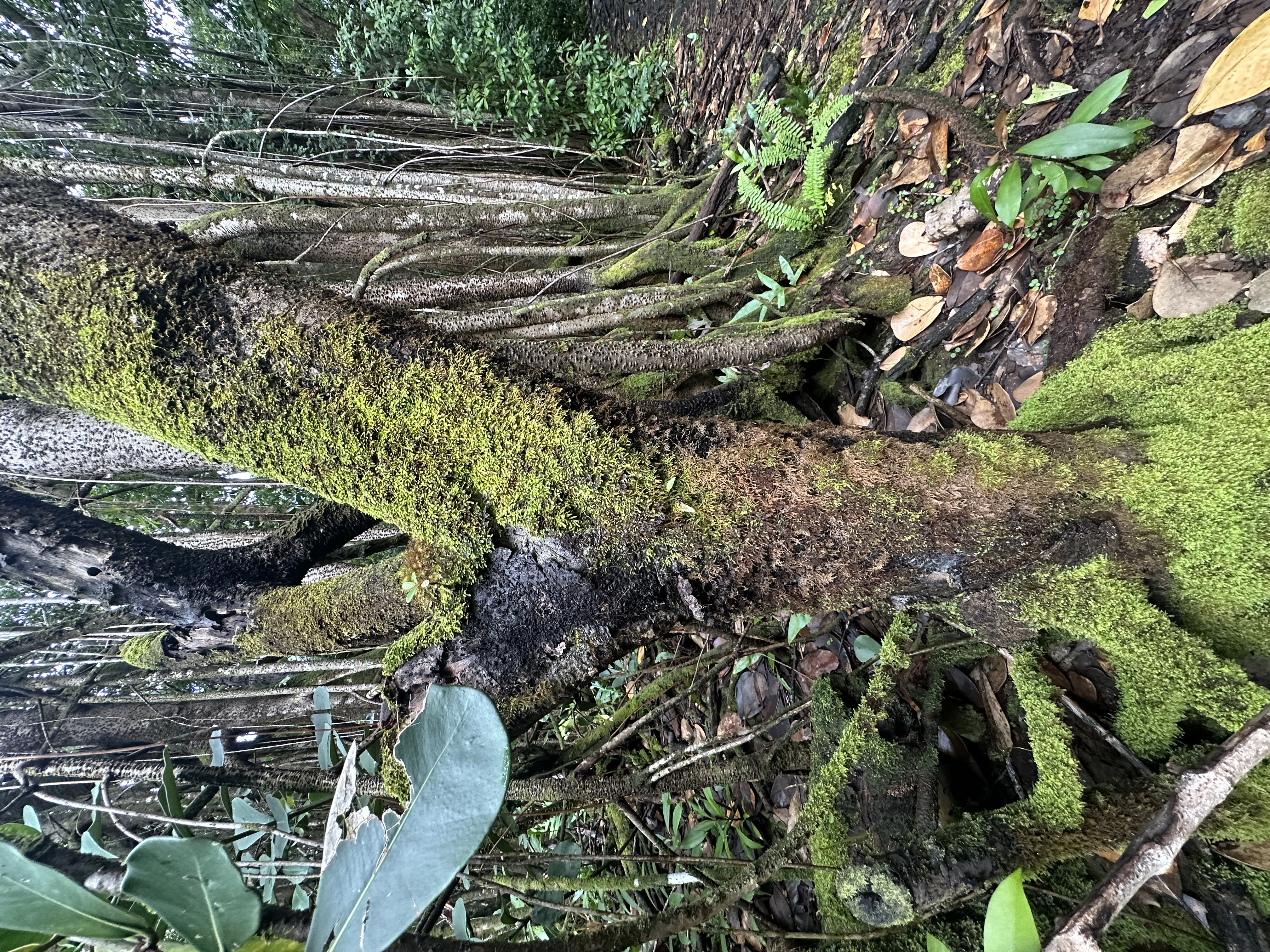
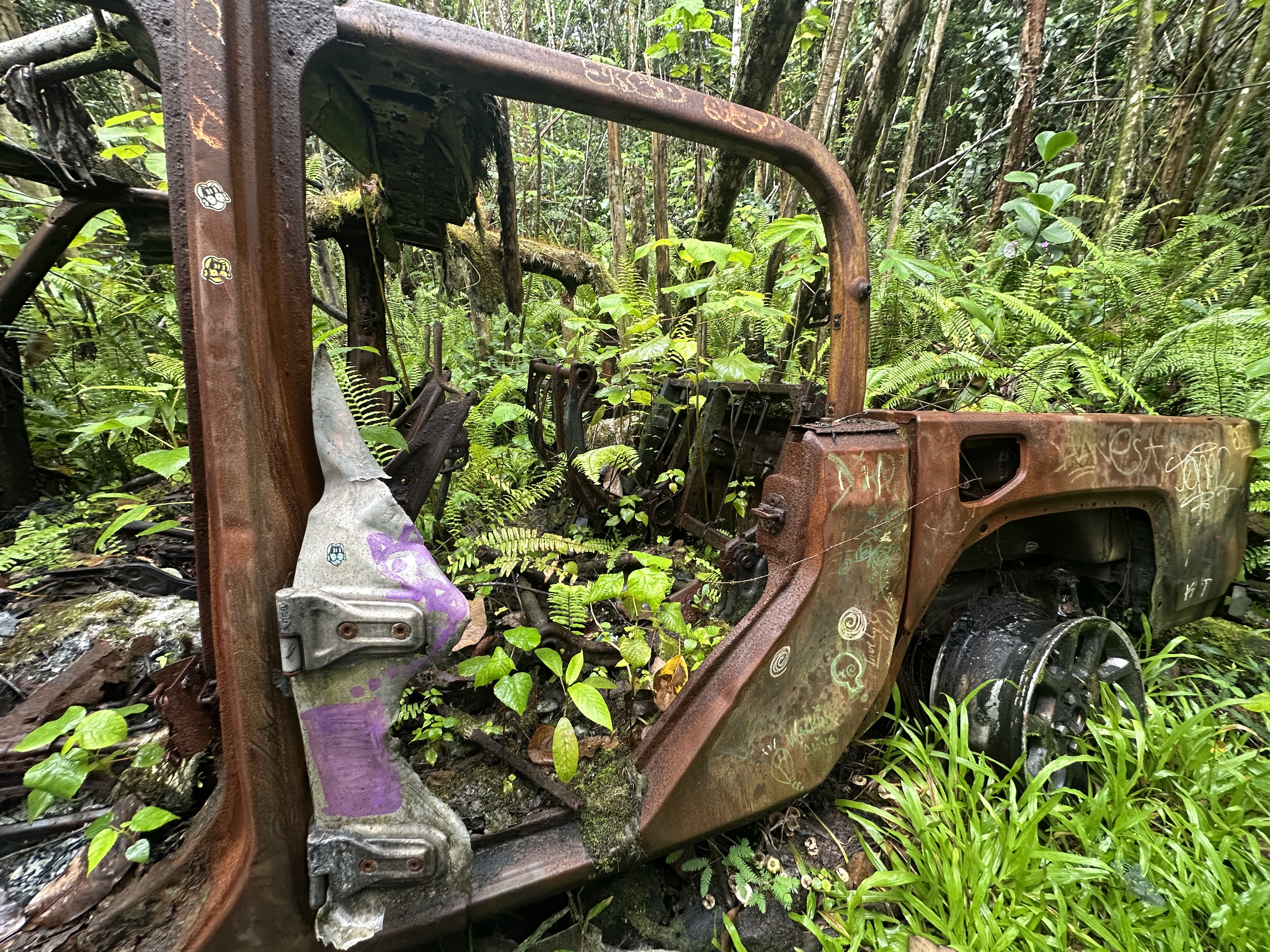
If you build an off-grid home here, you survive entirely on rain catchment systems. You are drinking the water that runs off your roof. That means leaves, bird shit, and occasionally a dead gecko in the tank. If you don't meticulously maintain your UV filters and pumps, you will get violently ill.
And that beautiful permaculture garden you just planted? A pack of 200-pound feral pigs will come through at 3 AM and completely destroy your $80k plot in one night.
Oh, and the Coqui frogs. People think the jungle is a silent Zen retreat. It is not. From dusk until dawn, the Coqui frogs create a deafening, 90-decibel wall of sound that literally drives some people insane.
Daily Life: Target, Cults, and the Isolation Economy
Living here requires accepting extreme structural isolation.
This is not a walkable environment. You are 100% stuck without a car. Buying or renting a vehicle here is exorbitantly expensive, and you are fueling it with $9-a-gallon gas and $300-a-month insurance.
Within a 45-minute drive, you might have access to exactly three coffee shops and two grocery stores. There are almost no social gatherings. There is one small music venue at the local "Booch bar" (kombucha), but it’s strictly dreadlocked hippies and jam bands.
Do you know what the peak of social entertainment is on the East Side? Going to Target in Hilo on a Friday night. Because that’s where absolutely everyone goes when they get stir-crazy in the jungle.
It feels a lot like Alaska. If you wanted to vanish off the face of the earth, hoard resources, and start a cult, this is exactly the geography you would choose to do it.
The Social Flywheel of the Underground
The socio-economic dynamics here reveal deep, generational dysfunction. If you want to survive, you essentially have two options: work a remote tech job, or collect public assistance. A standard local job simply cannot cover $7 milk and $12 avocados at KTA.
This creates a brutal societal flywheel: unprecedented poverty, Section 8 housing reliance, and food stamp dependency. When you combine that economic despair with a deeply rooted (and historically justified) resentment toward the US government for stolen land, you get a toxic mix. The prevailing ethos in the deep jungle is often “fuck the government, you stole our land, we’re going to collect our reparations through public service.”
It fuels a massive chemical dependency crisis. Meth is everywhere. Native Hawaiian gangs run the deep roads. When you have thousands of unpermitted 3-acre plots hidden in the dark jungle with no streetlights, it becomes a haven for constant, grinding petty theft. Leave a generator unsecured, and it will be gone by morning.
The Wall: The 2 AM Grind
I can handle the feral pigs, the cash economy, and the grit. The final dealbreaker was the clock.
Hawaii Standard Time (HST) is brutal if you are working an operator's schedule. To log on with the East Coast or European teams by 8 AM EST, you have to be online at 2 AM or 3 AM.
Waking up at 2:00 AM every single day destroys any illusion of a "lifestyle." It leaves zero room for a social life, surfing, or actually enjoying the island. You finish your shift, maybe make a Costco run, and you are exhausted and in bed by 6:00 PM while the sun is still shining.
You aren't living in paradise. You are just working in a very expensive, very dark jungle.
By the Numbers (The Pahoa Receipts)
Here is the unvarnished math of the Big Island East Side arbitrage:
The Land: ~$80,000 for 3 acres of unpermitted jungle in Lava Zones 1 or 2 (cash only, no mortgages).
The Hidden Dirt Tax: ~$80,000 just to hammer through the volcanic basalt to install a standard septic tank.
The Build: $300,000+ to build a basic structure due to the massive markup on shipped lumber and tools.
The Survival Cost: $9/gallon for gas, $7 for milk, and $12 for an avocado at the grocery store. Most produce and fish are flown in frozen.
The Transportation Tax: You must have a car. Exorbitant rental/buy costs + $300/mo insurance + $9 gas.
The Timezone Tax: Waking up at 2 AM to run remote mainland hours destroys any actual quality of life.
Patrick
Two years of working remotely and living in the places I write about — long enough to have a regular coffee shop and an opinion about the neighbourhoods.
More from Puna →