
The Saigon Reset: Temples, Alleys, and the $2,000 Czar
I went looking for quiet rice fields and ended up in a hyper-modern 10-million-person metropolis. What four months in Saigon taught me about health, survival economics, and human connection.
The Saigon Reset: Temples, Alleys, and the $2,000 Czar
I didn't go to Vietnam looking for a metropolis. I went looking for a reset.
After working two full-time jobs in two different countries for almost two years, the startup grind finally broke. We secured the acquisition, the Australian handoff was done, and it was time to focus on my health. The plan was simple: stare at tiered rice fields in a quiet province, eat clean, go to the gym, and finally listen to the internal voices.
As John Lennon said,
"Life is what happens while you're busy making plans."
I landed in Ho Chi Minh City (Saigon) and figured I'd stay in District 1 for a few days. It's the affluent, commercial heart of the city. I wanted Western amenities—reliable hot water and a spa that wasn't a rub-and-tug—to decompress before I packed my Starlink into the rice provinces.
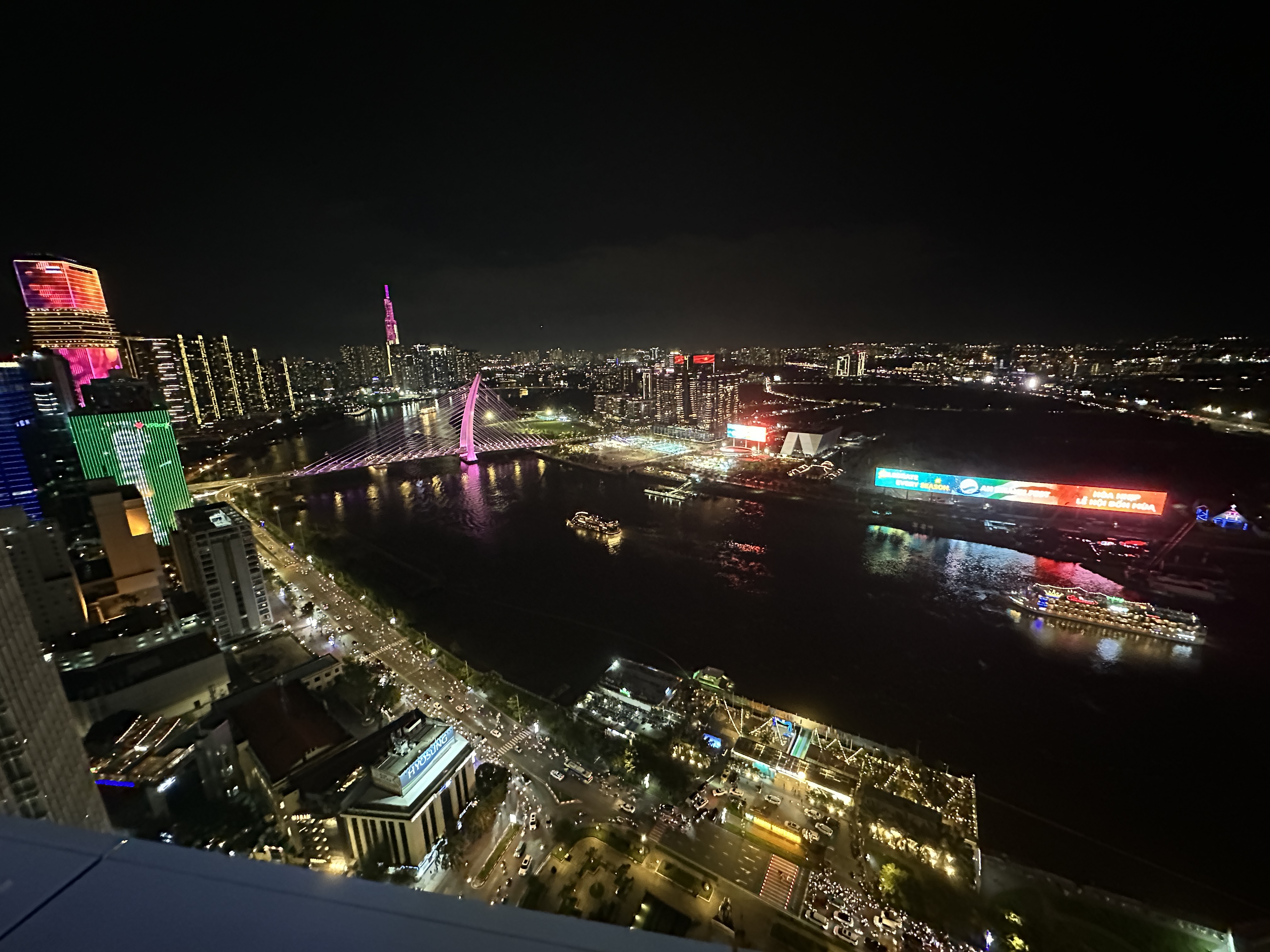
While I was right about District 1, I completely underestimated Saigon. It is arguably the best city I have ever been to, and I have been to many.

The Mega City & The Alleys
Saigon’s economy hasn't just grown; it has exploded. It is a Tier 1 city in every sense of the word. Anything you could ever want or need is there in absolute abundance.
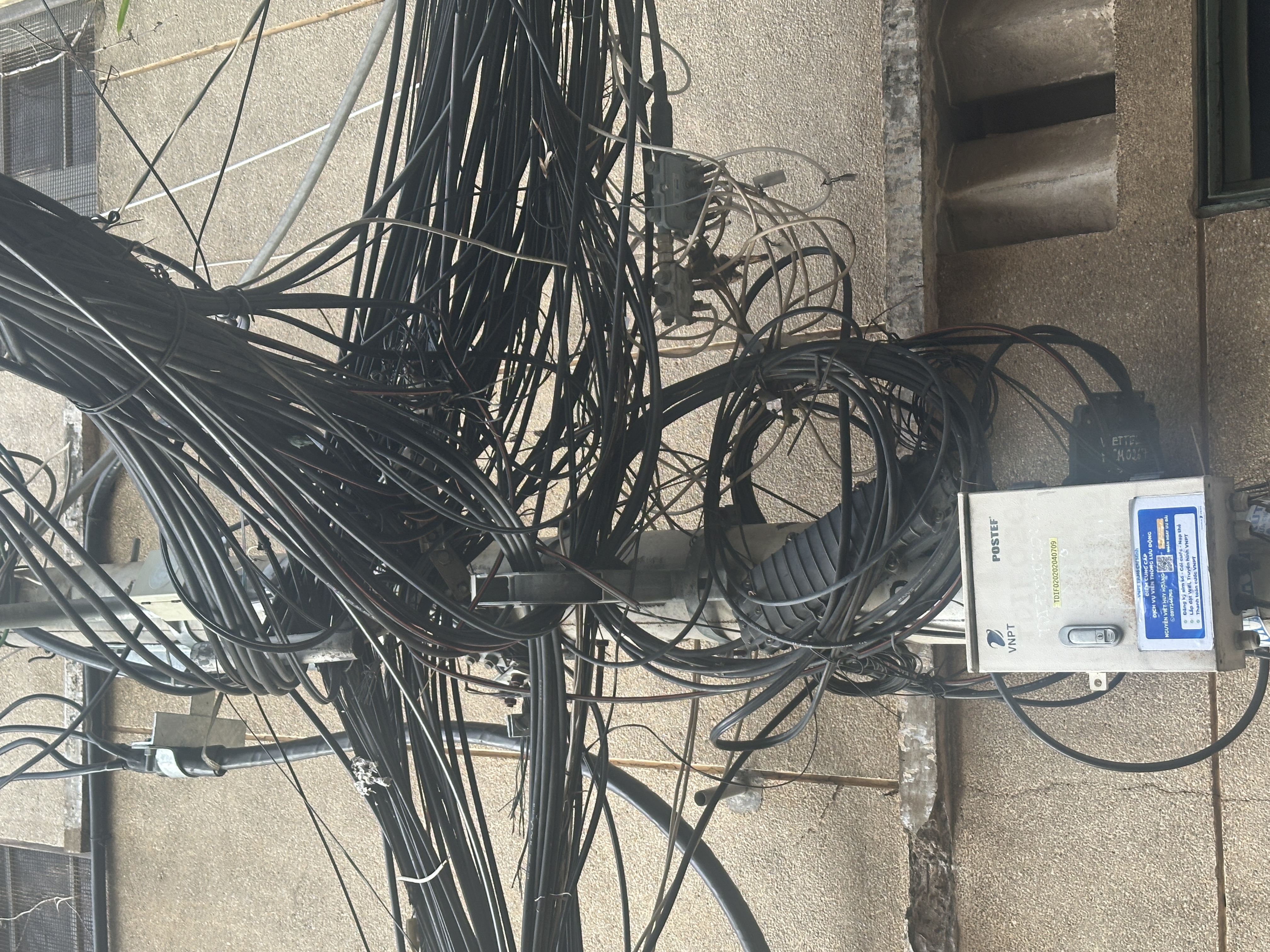
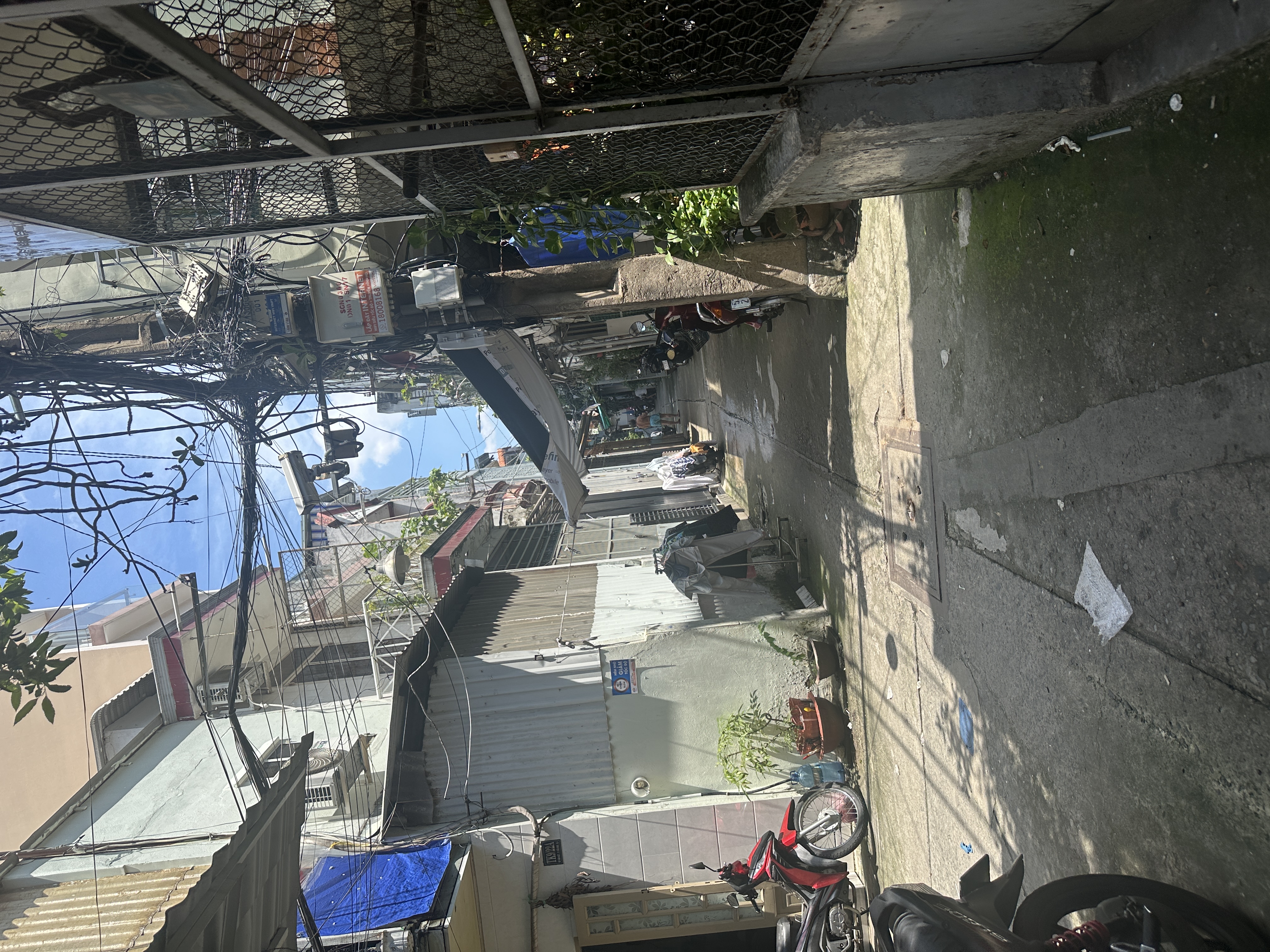
But it’s the duality of the city that hooks you. You have massive, hyper-modern glass skyscrapers that rival Manhattan, and right at their base, you have a labyrinth of narrow, kinetic back alleys (hẻm) where actual life happens.
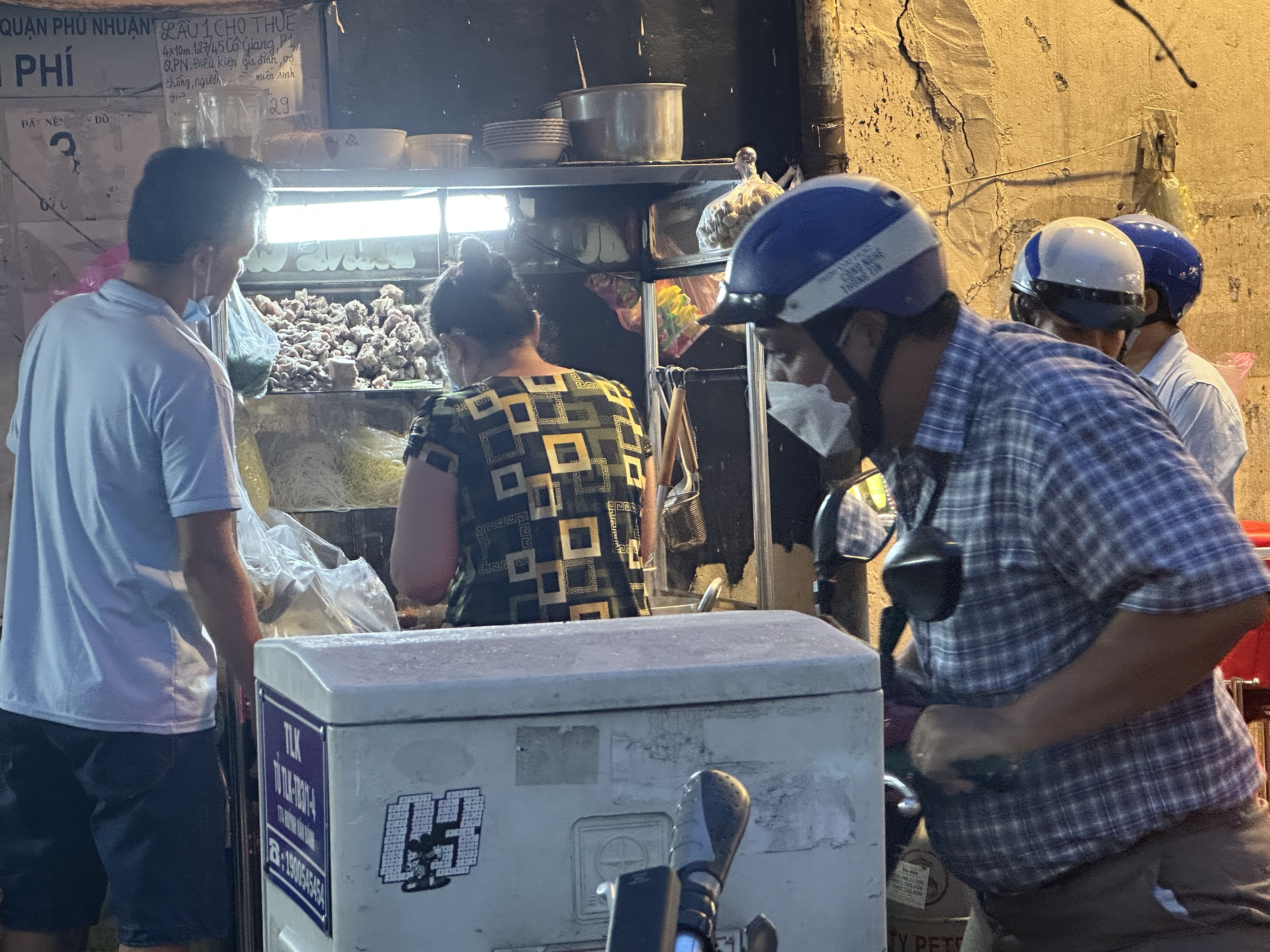
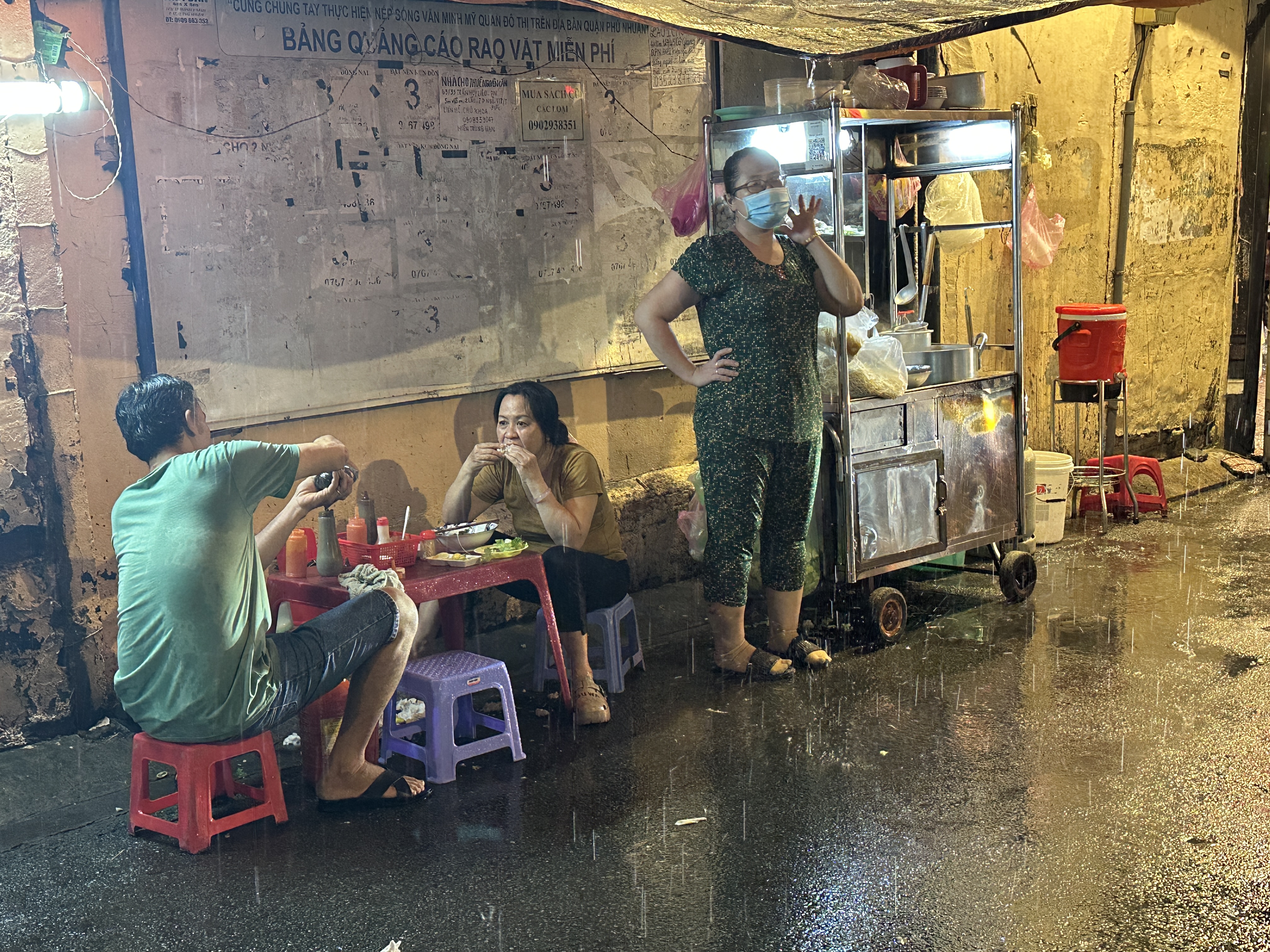
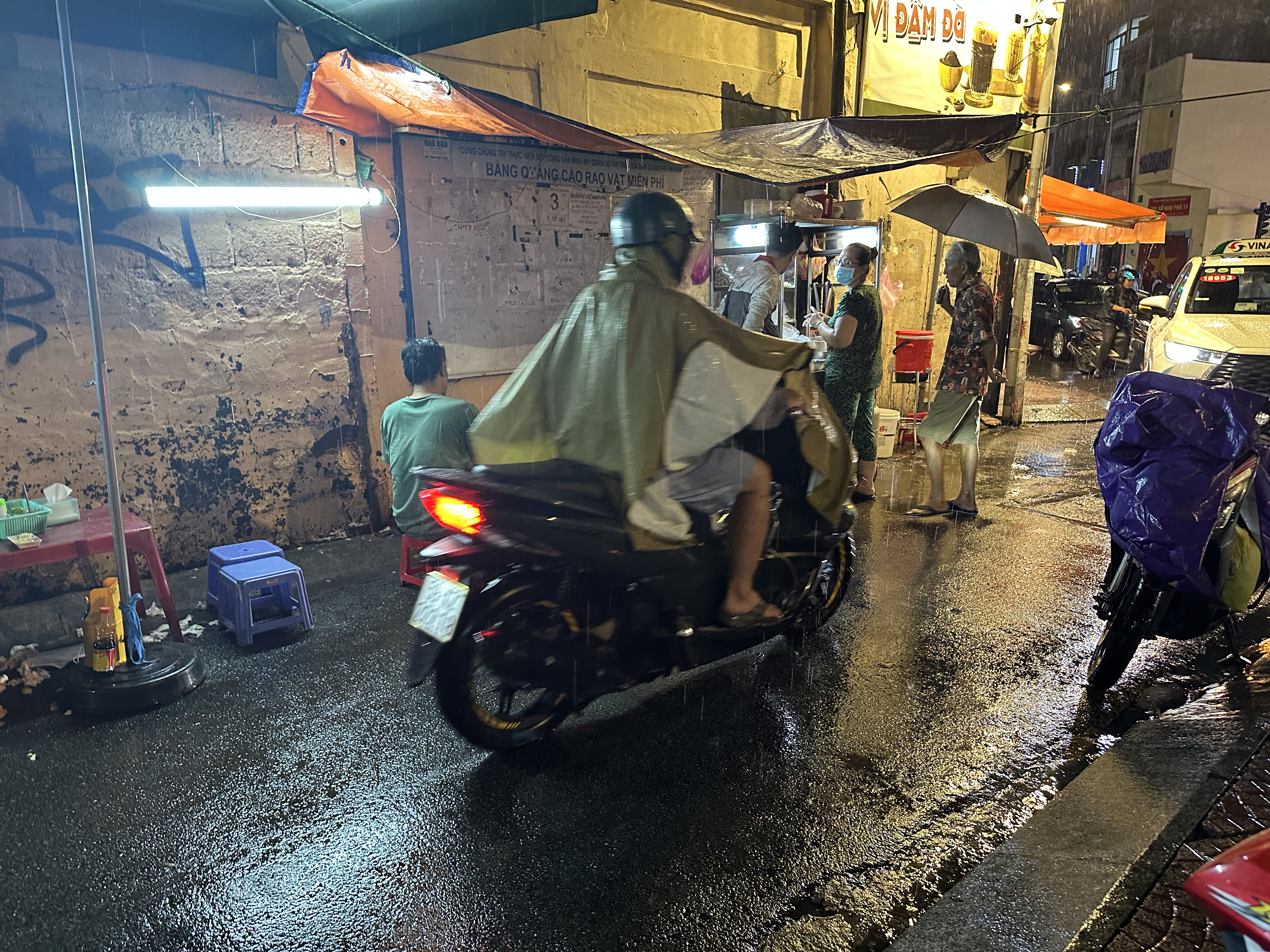
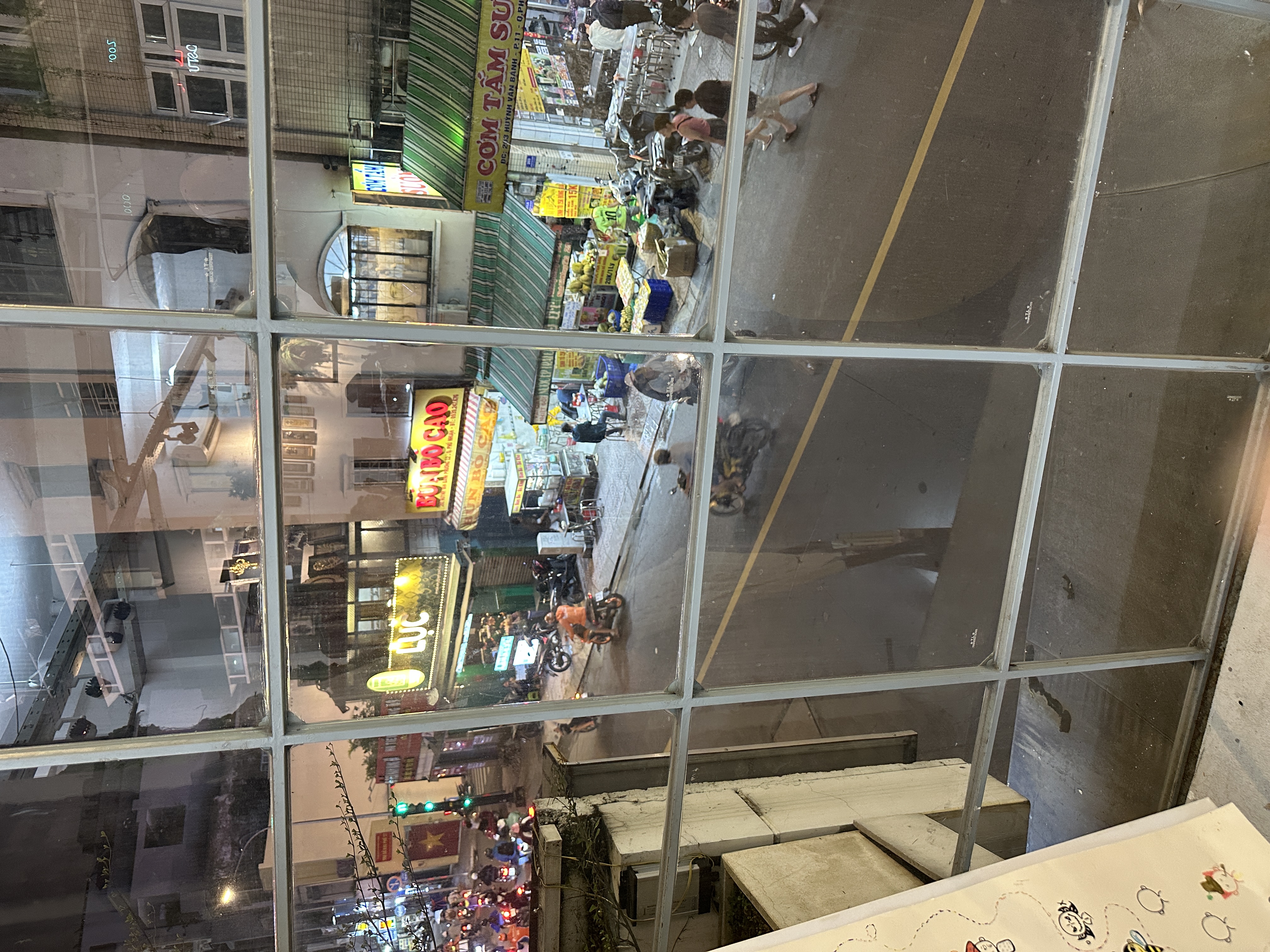
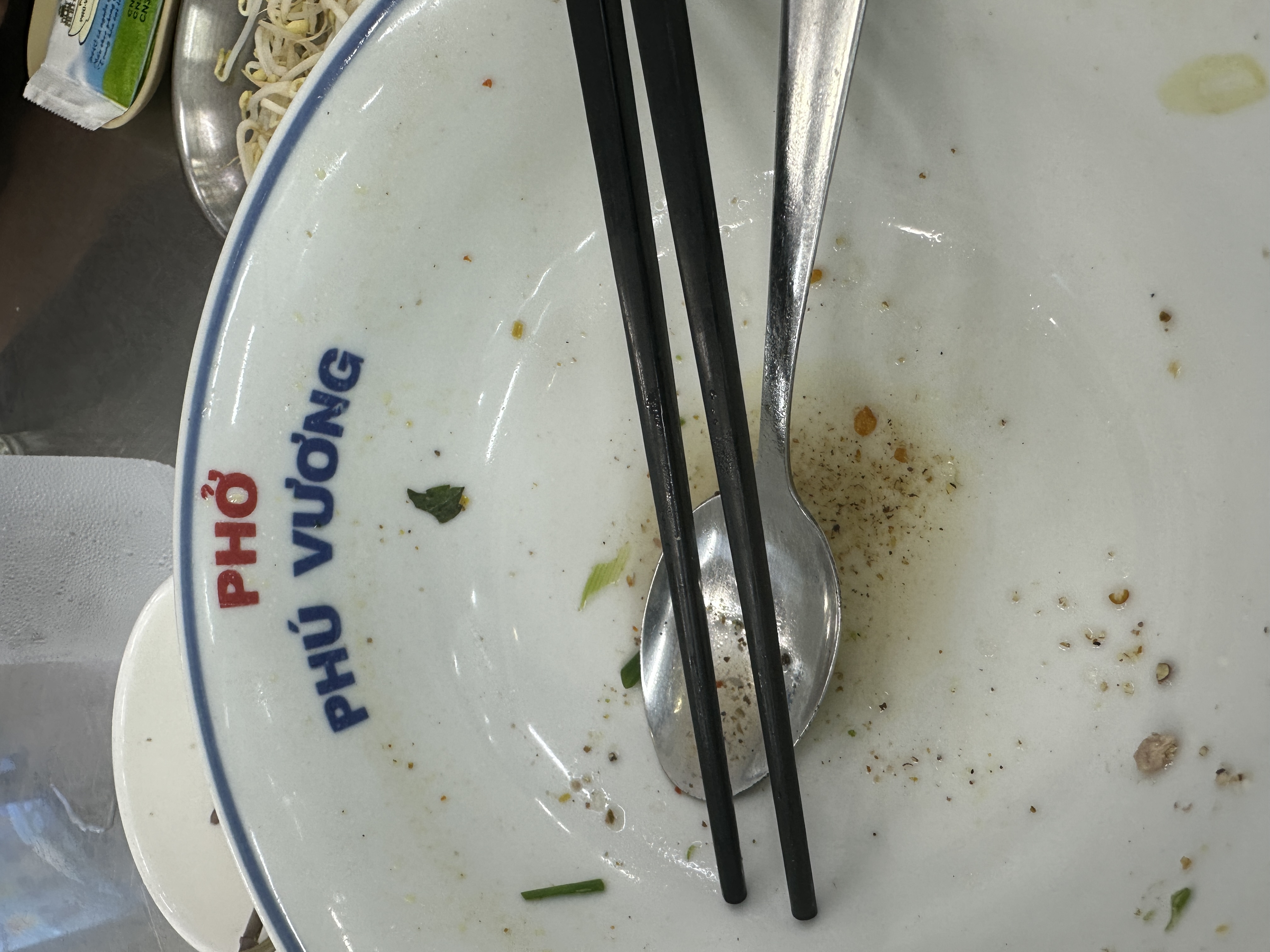
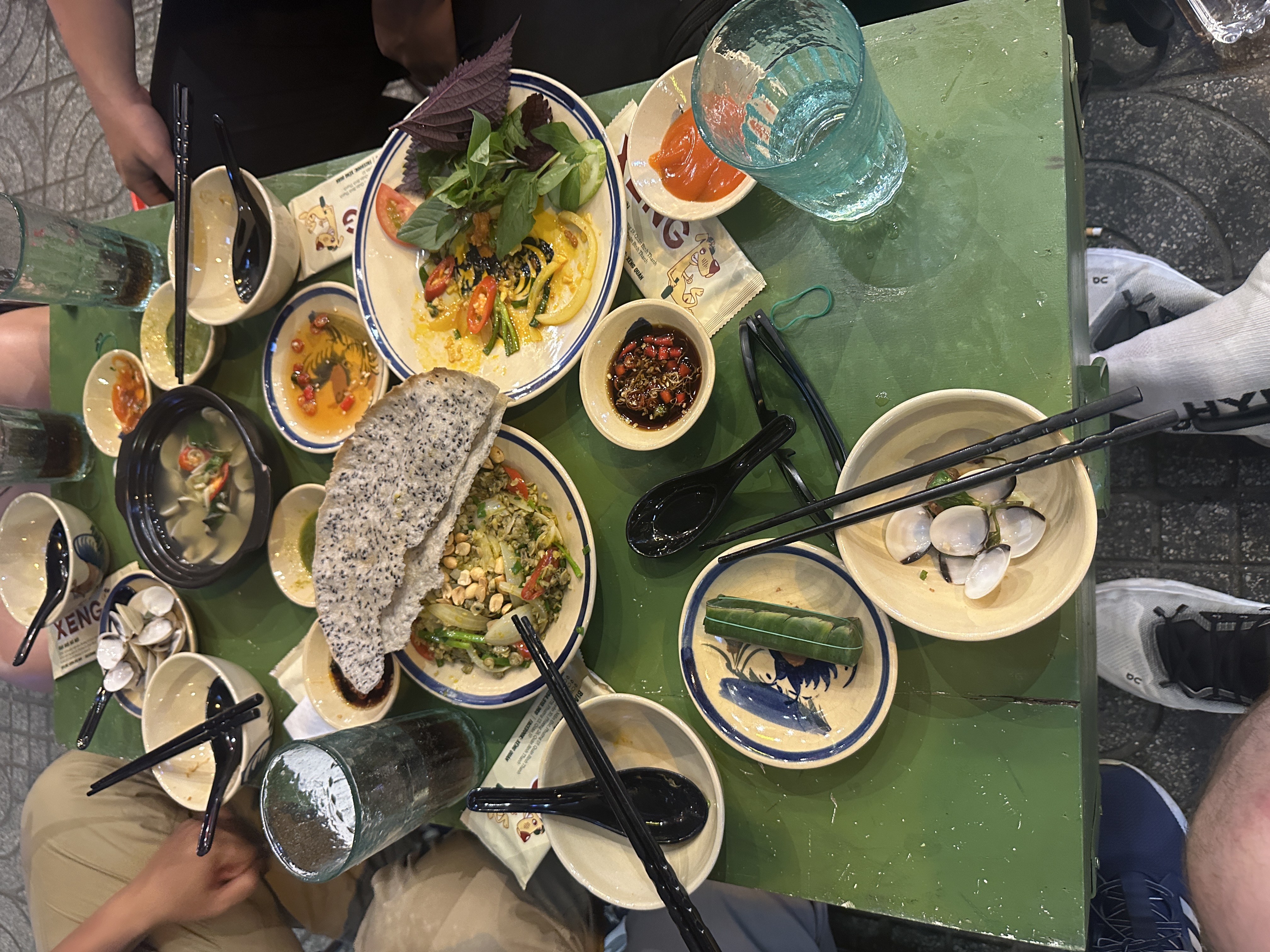
The alleys are loud, packed with motorbikes, and smell like exhaust mixed with bone broth. It’s gritty. It’s chaotic. But it’s incredibly safe.
The Coffee Temples
I decided to stay in the city and figure it out. One of the first things that rewires your brain here is the infrastructure built entirely around caffeine.
The internet is blazing fast—even the 5G on your phone operates at speeds that make US carriers look like a joke. The startup scene is massive and hungry. And they fuel it with the best coffee on the planet.
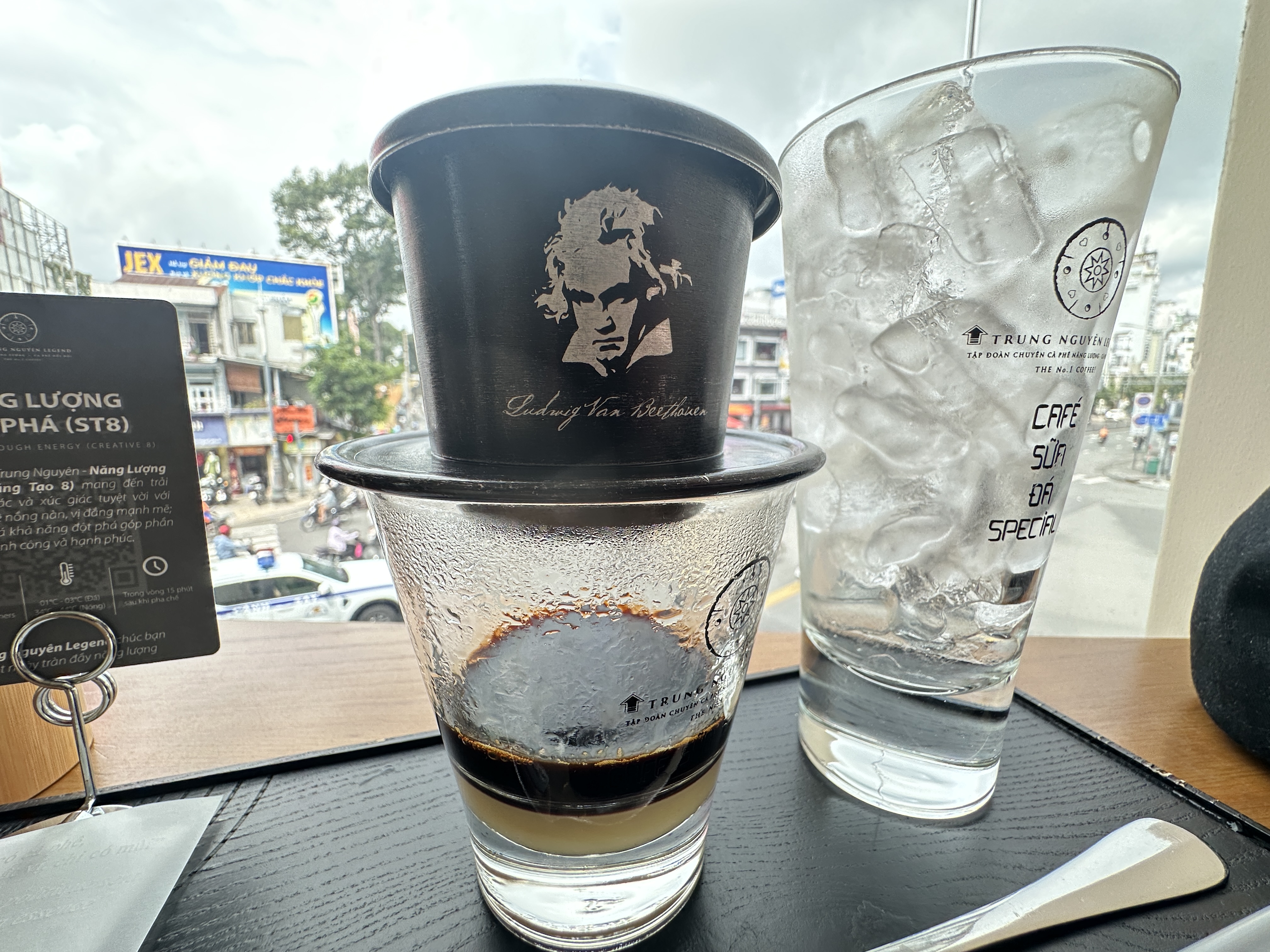
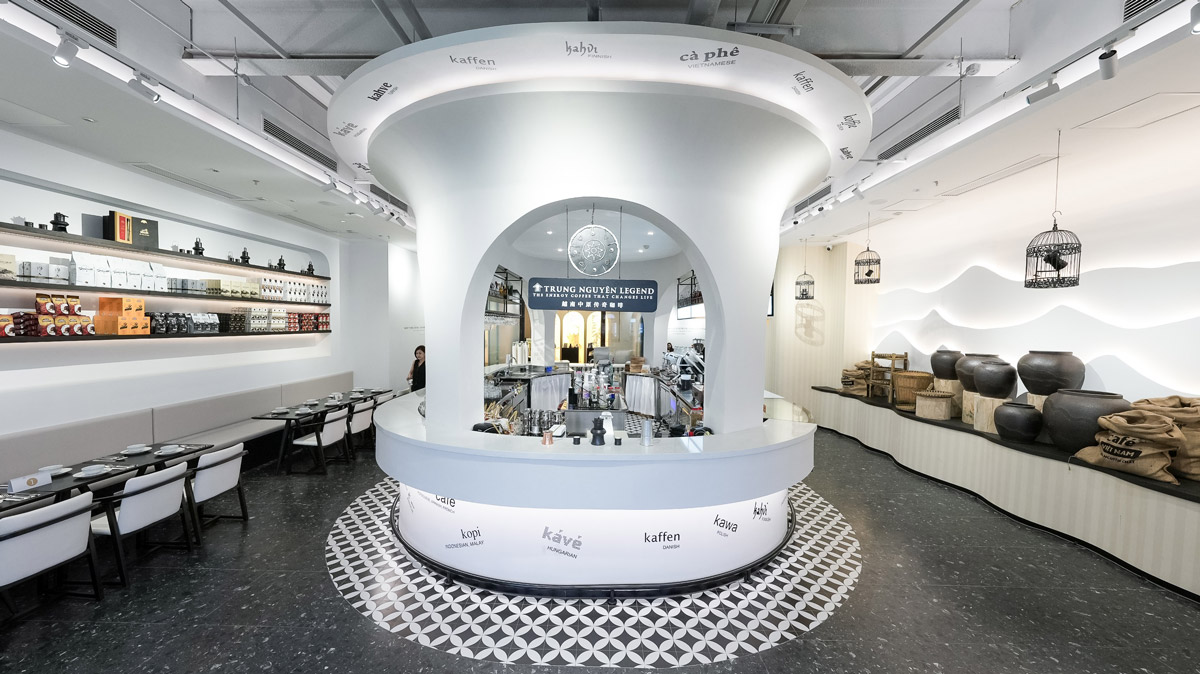
They treat coffee with absolute religious reverence. Brands like Trung Nguyên Legend and Highlands aren't just little corner cafes or sterile Starbucks clones. They are massive, three-story buildings built with opulent architecture, dedicated entirely to caffeine, aesthetics, and Wi-Fi.
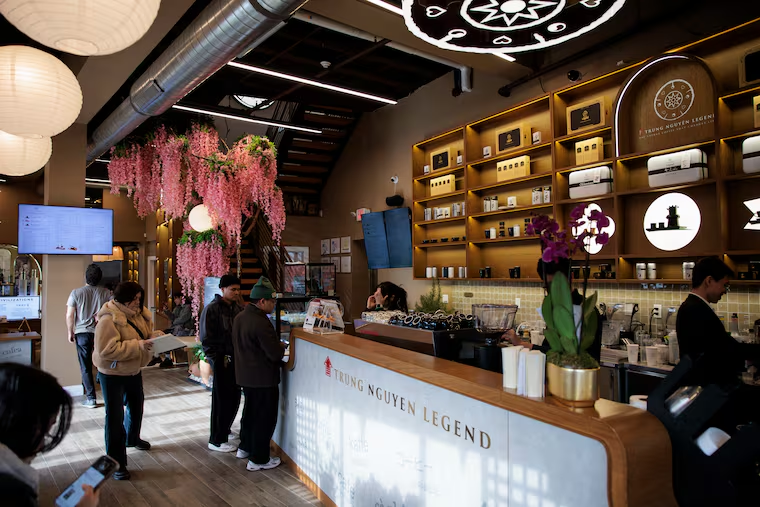
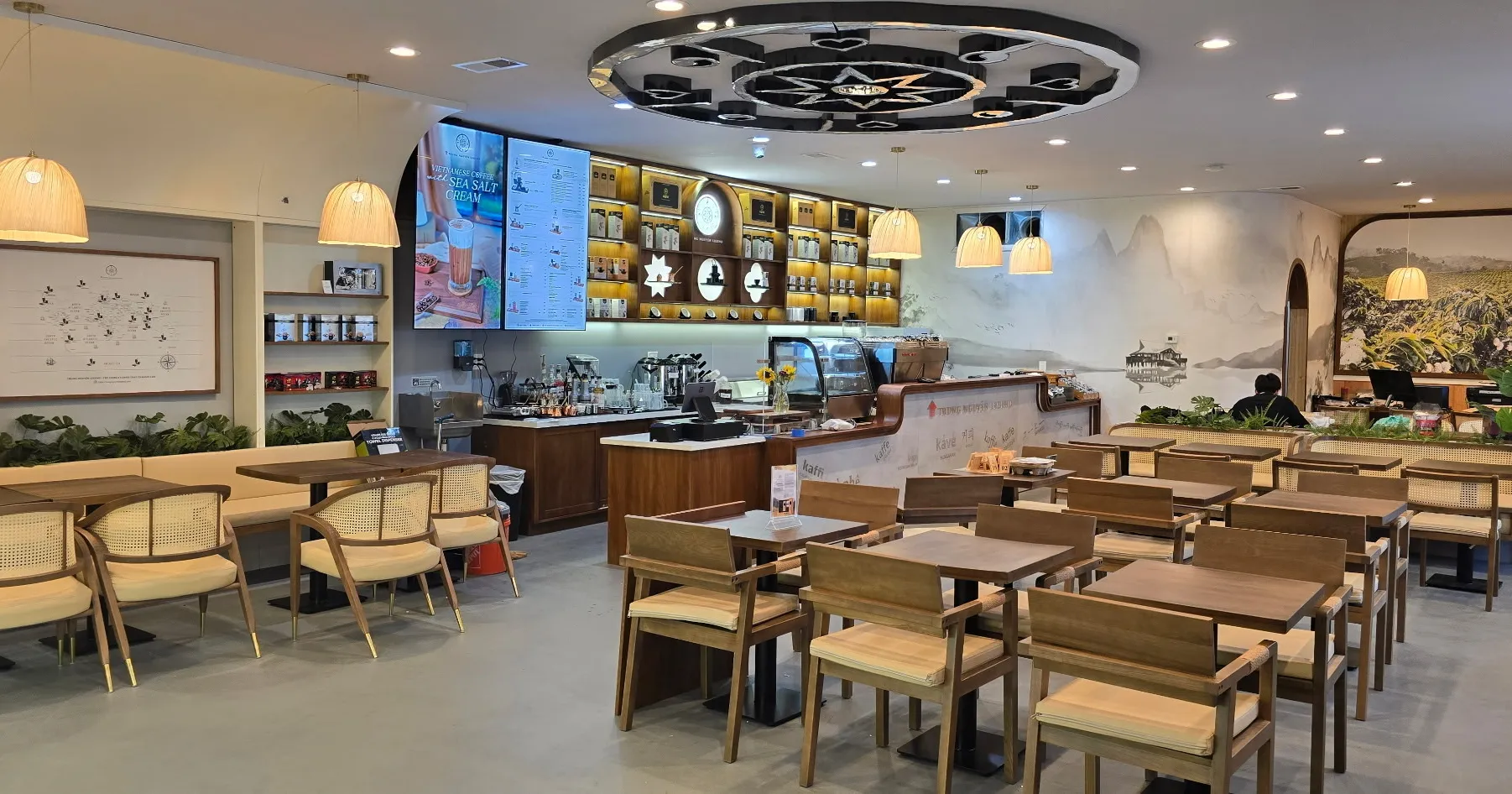
You grab a ca phe sua da (iced milk coffee), head up to the third floor, and get to work. It’s an operator's dream.
The Societal Shift
Saigon has the opulence you expect in Paris or London, but it operates on a cultural framework I had never seen before. It challenged my Western assumptions in two distinct ways:
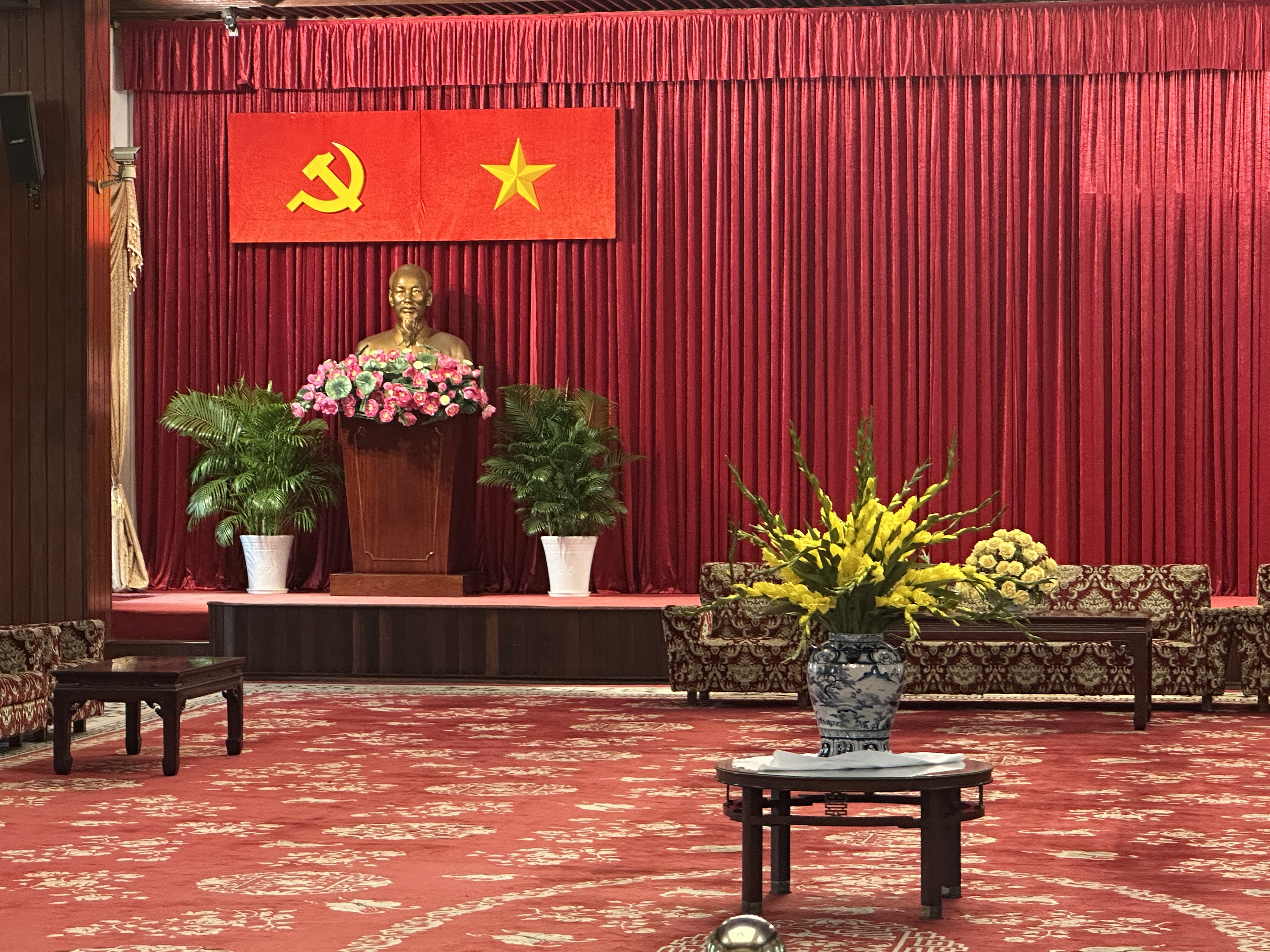
1. A Functional Communist Society. I'll call BS on Western propaganda right here. Guess what you don't see in Saigon? Mentally ill people screaming at the sky or homeless camps taking over sidewalks. It doesn't exist. Culturally, there is an absolute responsibility to take care of your family across all generations, no matter their condition. And the social system actually takes care of its citizens. Is it a "1st world" welfare state? No. But it is a real social contract. Store owners put out fresh water in front of their shops for anyone walking by. People aren't hoarding resources.
2. Genuine Happiness. It’s not just the rich who are smiling. The baseline of the human condition here just feels lighter. People are genuinely happy, despite the massive economic disparity.
The Operating System: Buddhism, Confucianism, and the Temples
Every other country I’ve lived in operated on a Western, predominantly Catholic or Protestant baseline. That means society generally runs on a framework of individualism, guilt, and linear ambition.
Vietnam runs on a completely different operating system: a deep, intertwined blend of Confucianism and Mahayana Buddhism.
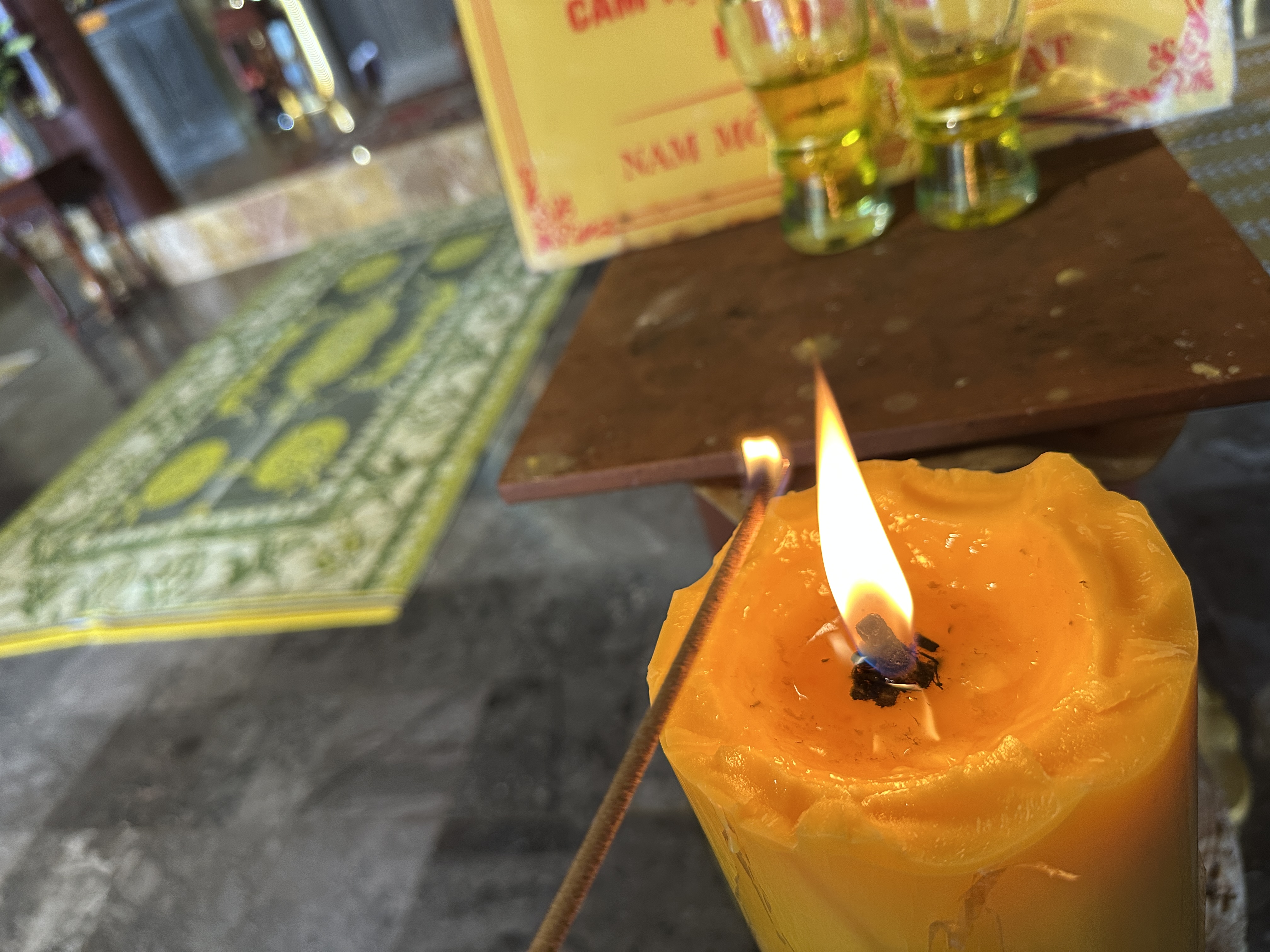
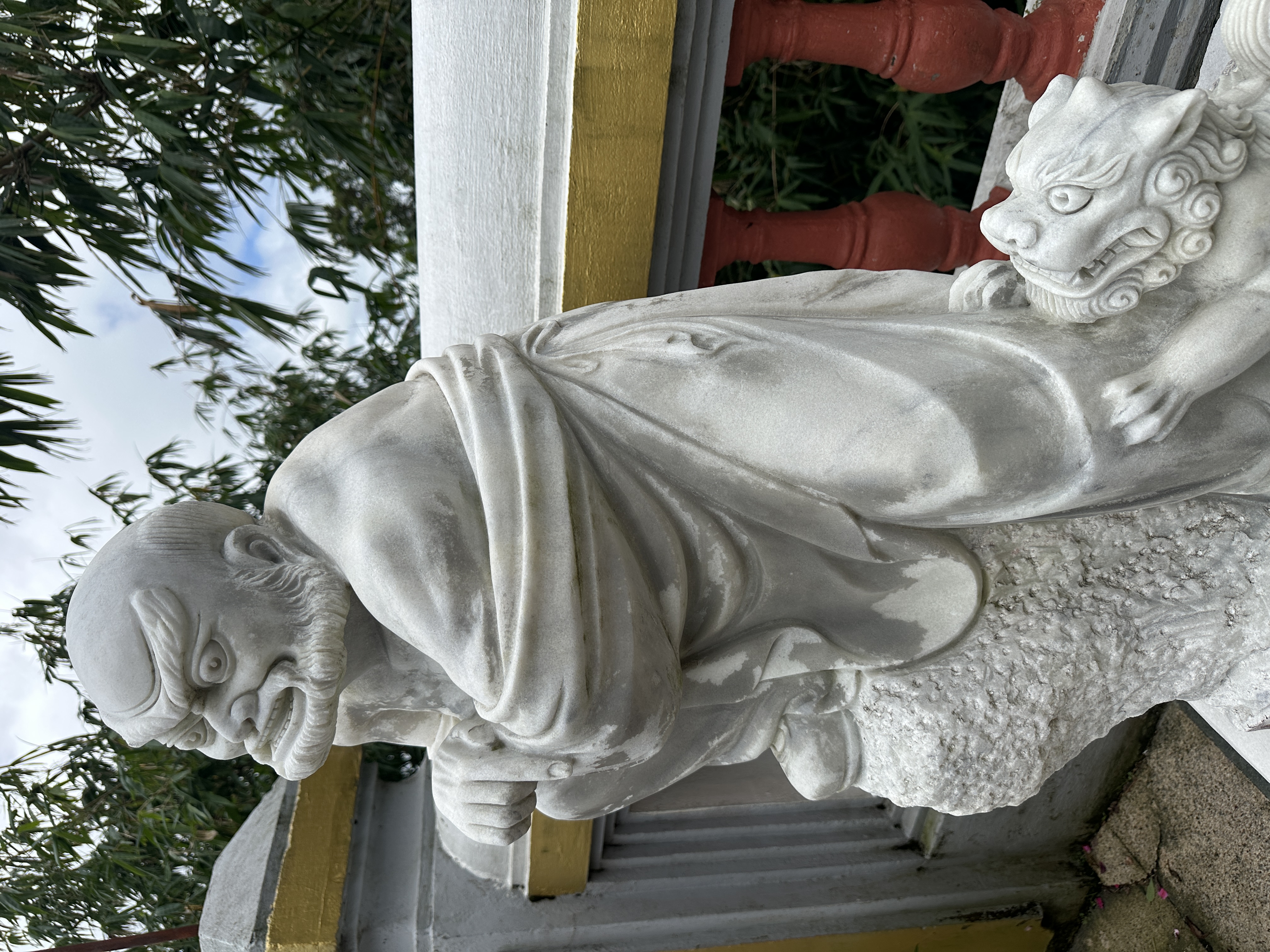
Confucianism is the hardware. It dictates the societal structure. Family is absolute. Respect for elders isn't just a polite suggestion; it is the fundamental law of gravity here. It creates an undeniable order, equality, and duty to your lineage.
Buddhism is the software. It dictates the internal state. It’s about karma, letting go of attachments, and finding stillness amidst the noise. When you combine the two, you get a society where people actually take care of each other without needing a government mandate to do so.
Physically, this manifests in the temples. This is where the sheer duality of Saigon hits you the hardest.
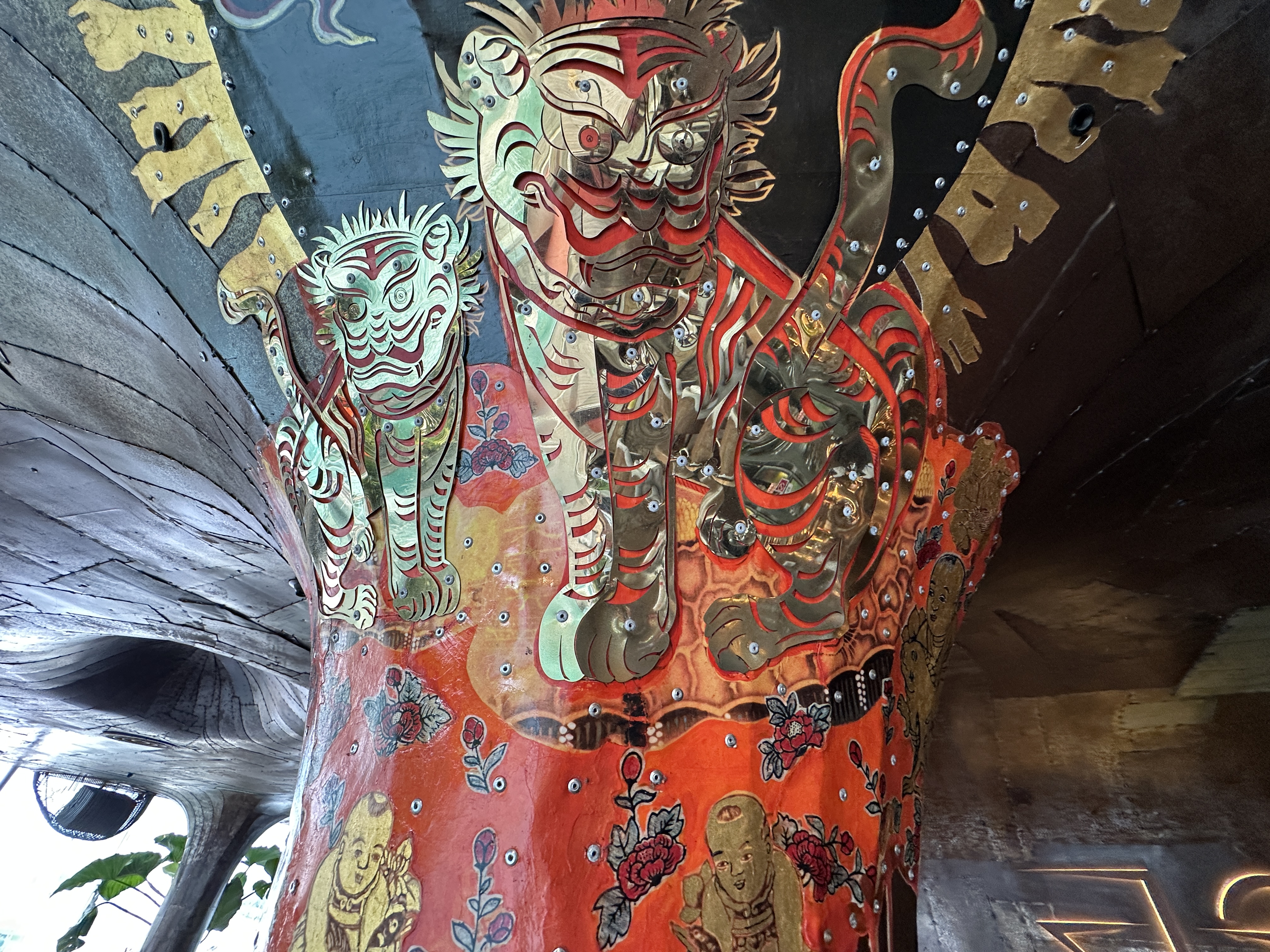
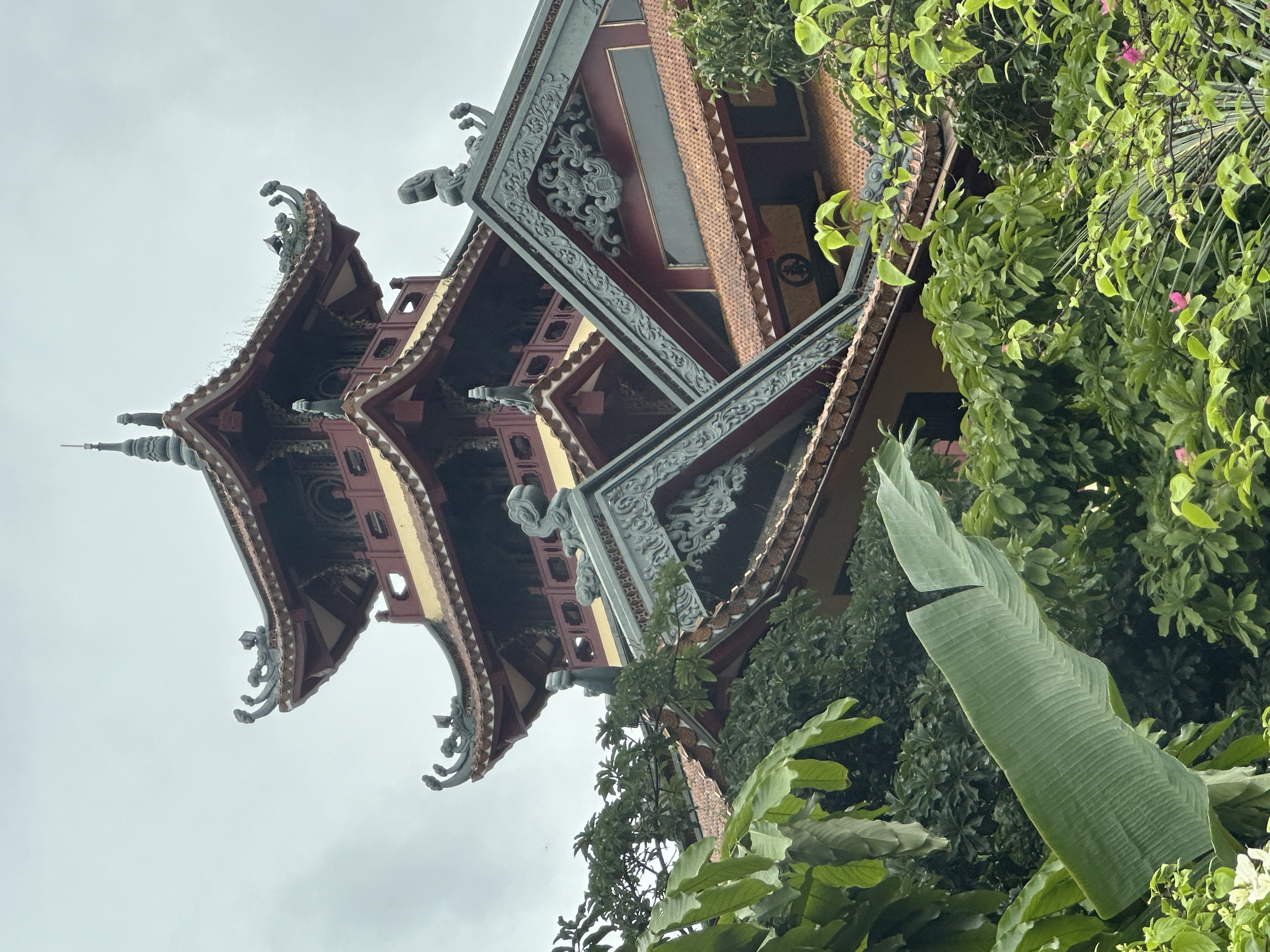
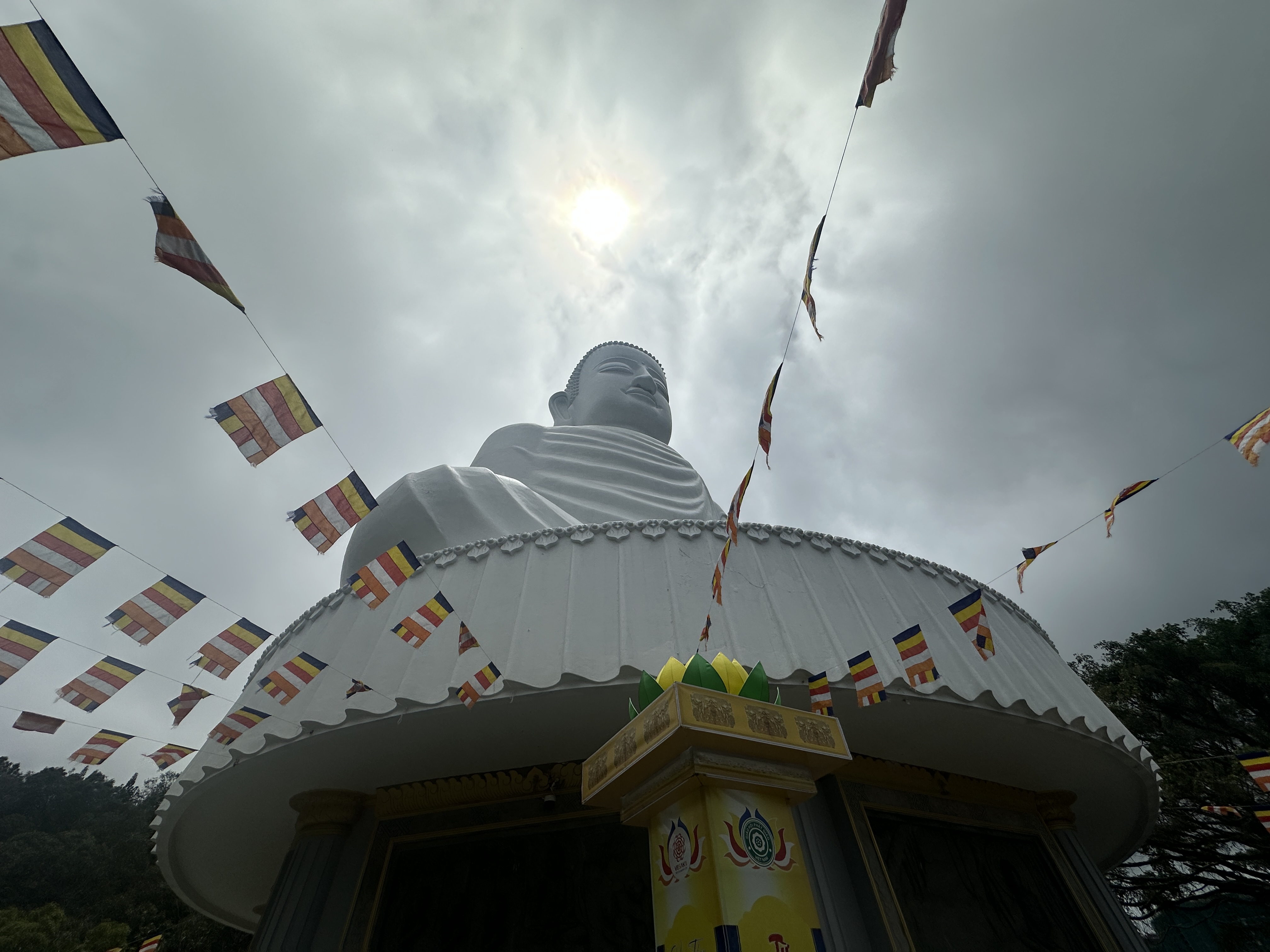
You can be standing in the middle of a screaming, 10-million-person motorbike swarm, choking on exhaust and street food smoke. Then you step through an ancient, ornate gate tucked between two modern concrete buildings, and the city just disappears.
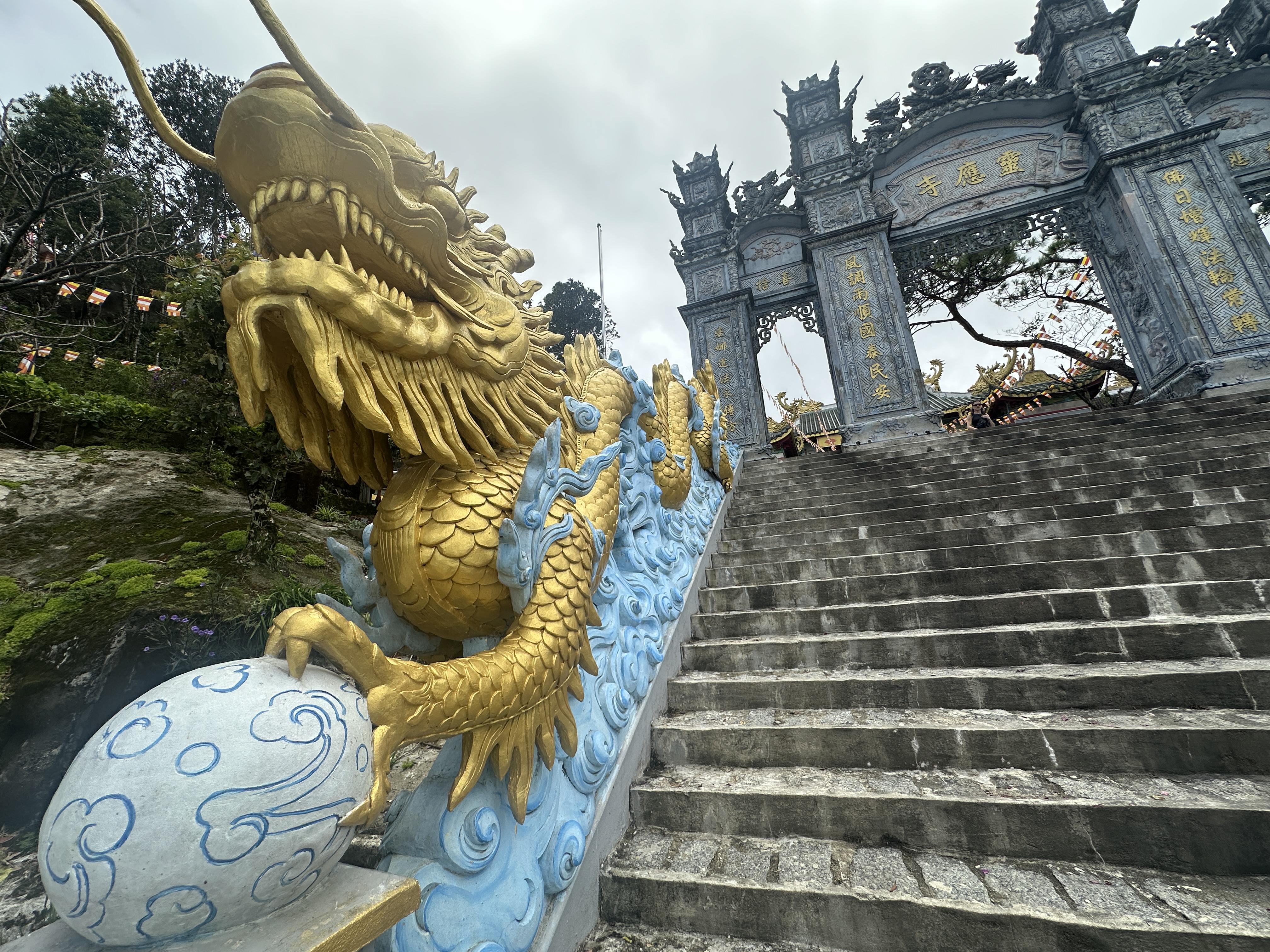
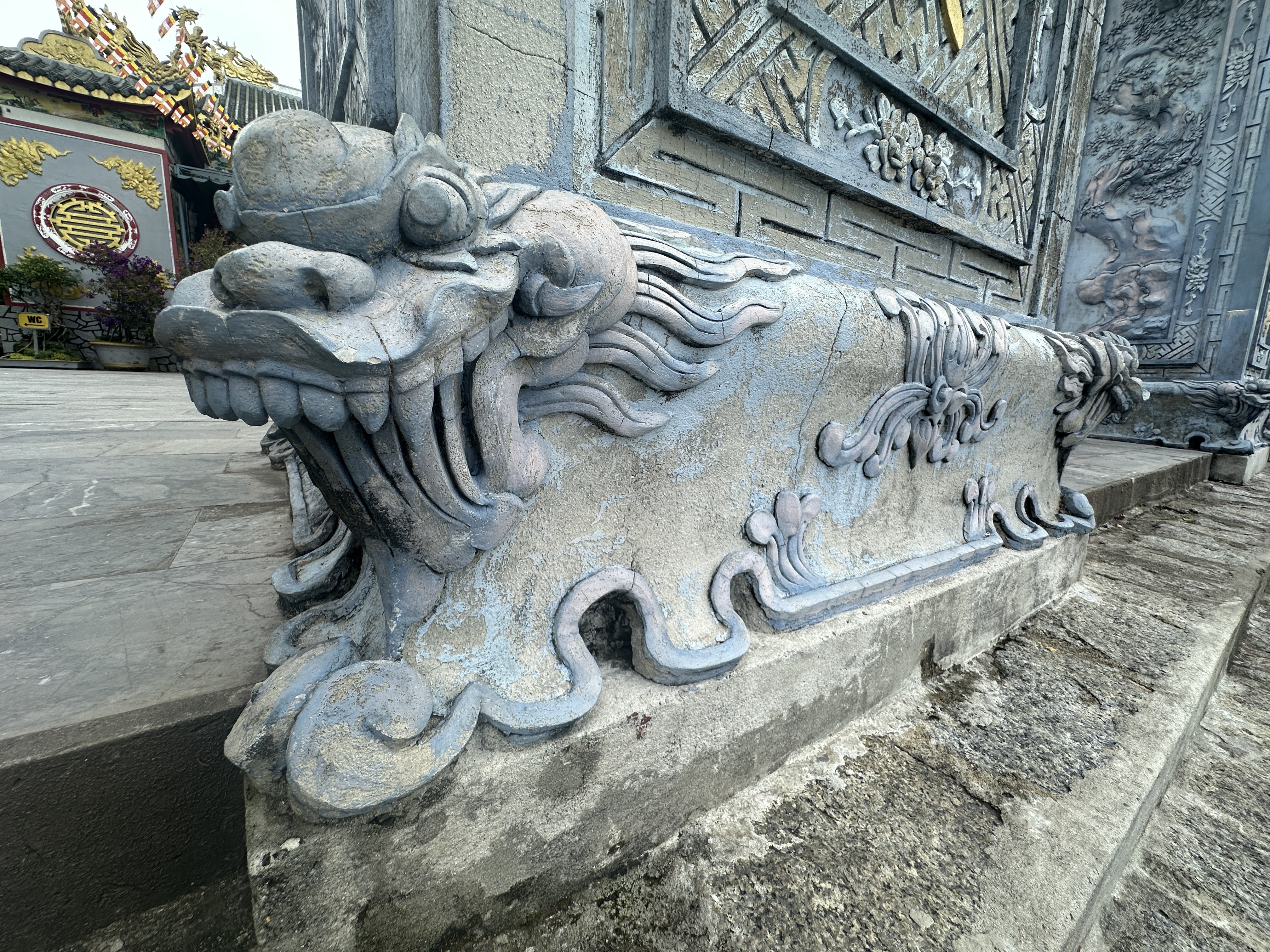
It drops into dead silence.
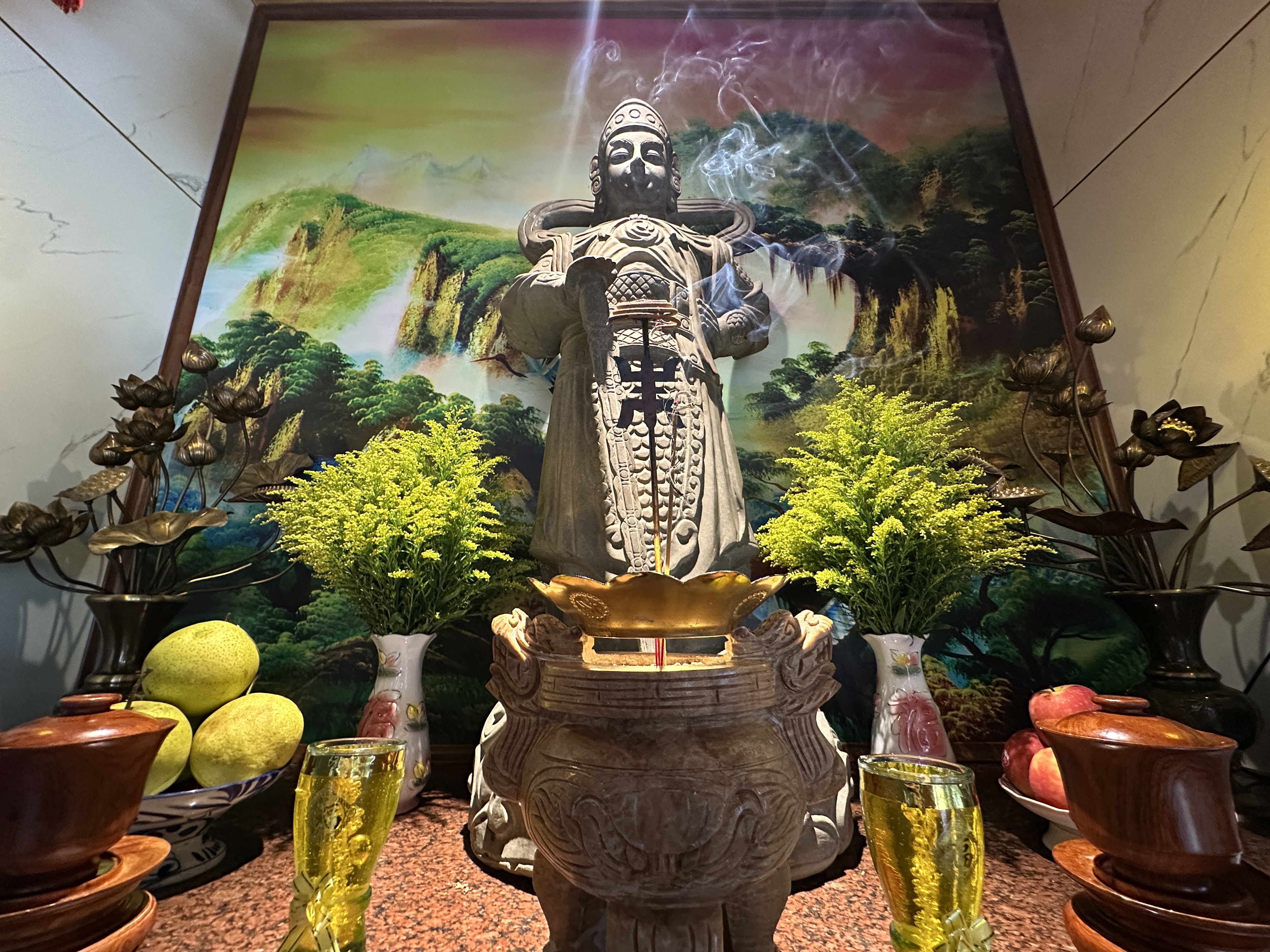
The air is thick with sandalwood incense. You have centuries-old carved wood, massive golden Buddha statues, and courtyard gardens that haven't changed in hundreds of years. The contrast is jarring and beautiful. I spent hours just walking through these spaces. You don't have to be religious to feel the heavy, grounding energy in these places. It forces you to stop moving, stop optimizing, and just exist for a second.
The $2,000 Czar
The macroeconomic math of living here is staggering. You can live an extremely comfortable life in Saigon for pennies on the dollar compared to the States.
I set up a base in Thao Dien (District 2), the massive expat enclave. I rented a villa. I hired a housekeeper. I hired a private chef who came to the house three times a week to make healthy meal-prep containers. I hired a personal trainer who showed up at my door to drag me to the gym or take me jogging through the city, weighing my food on a scale and holding me accountable for burning off two years of cortisol weight.
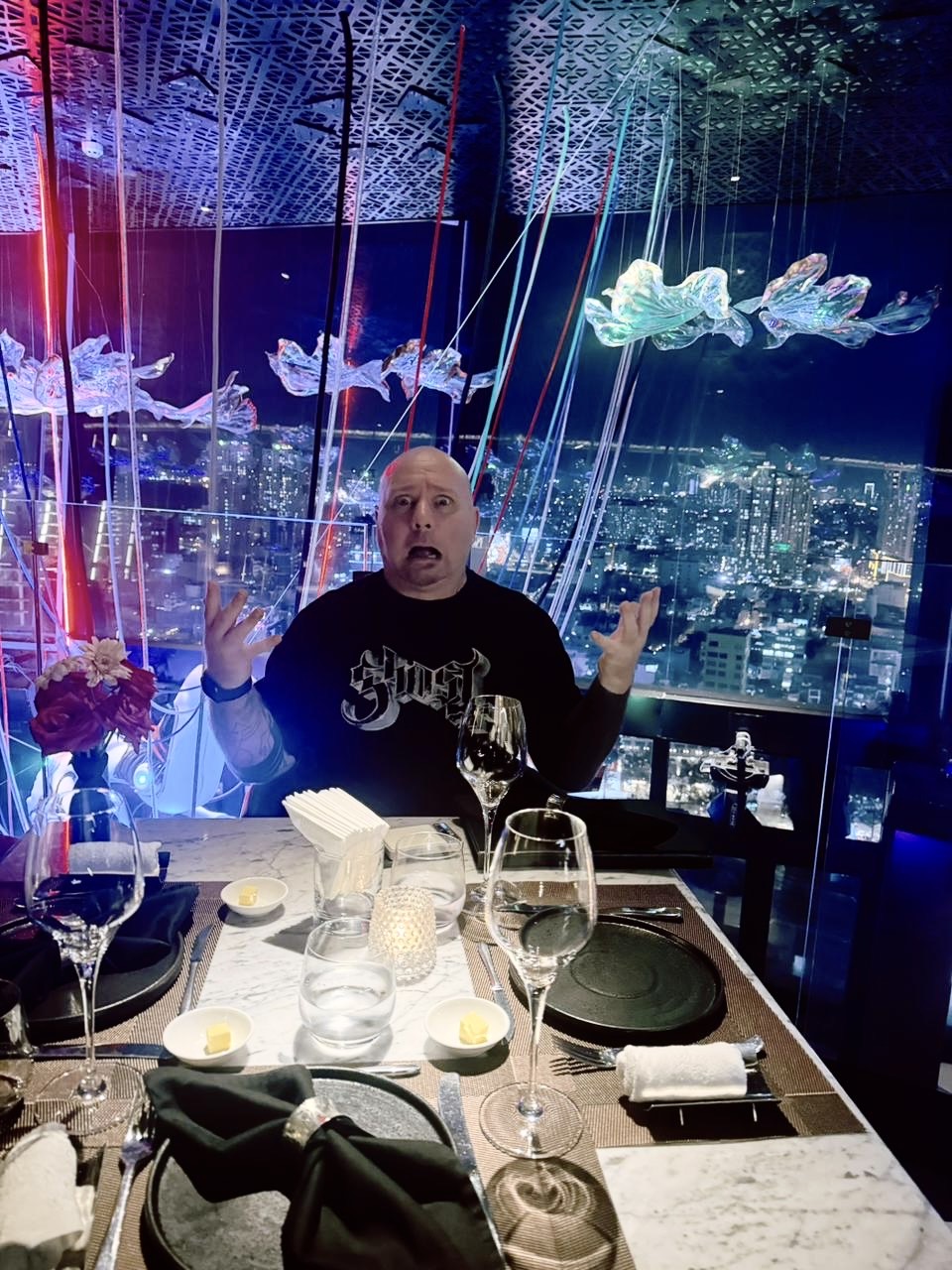
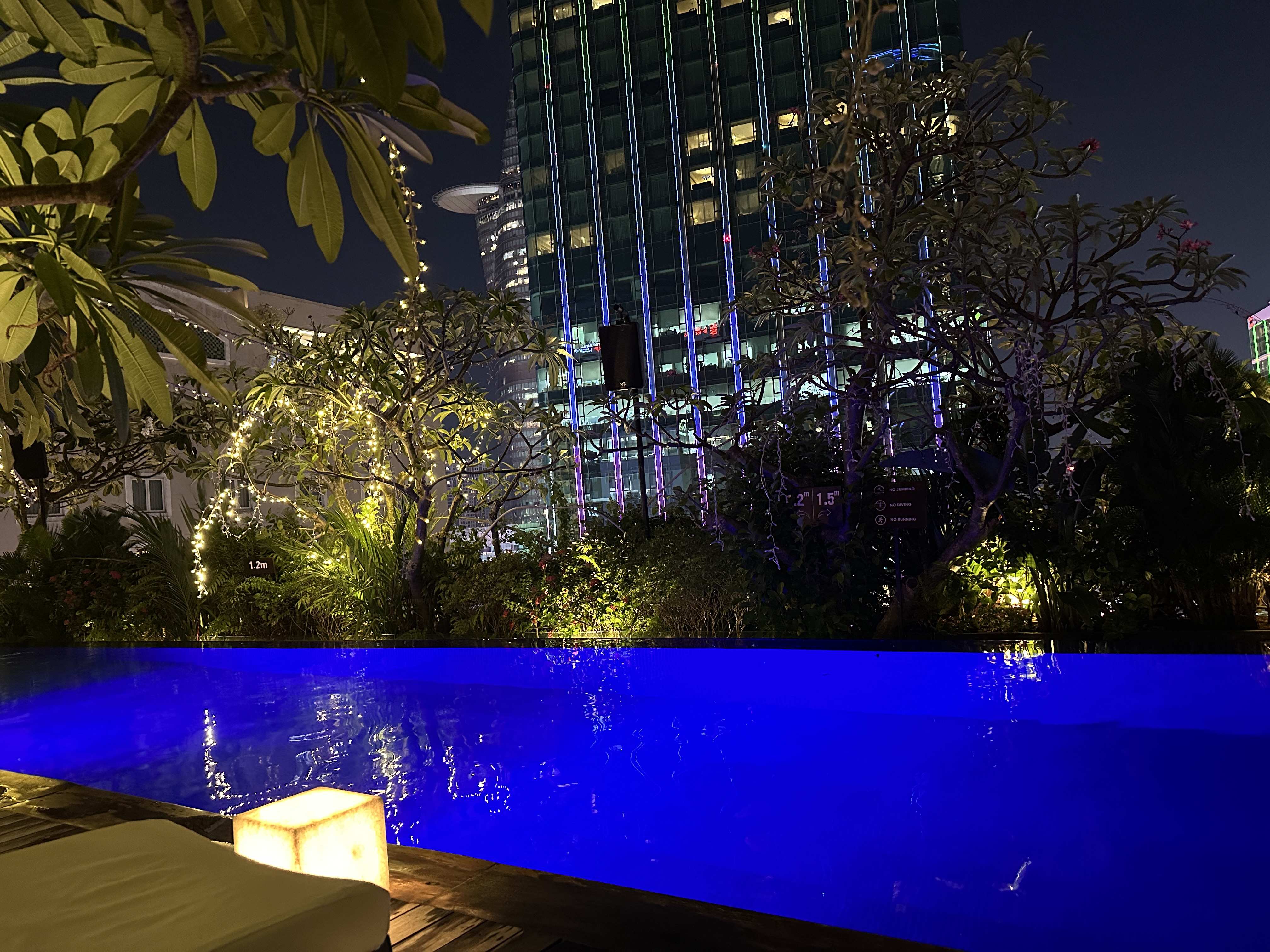
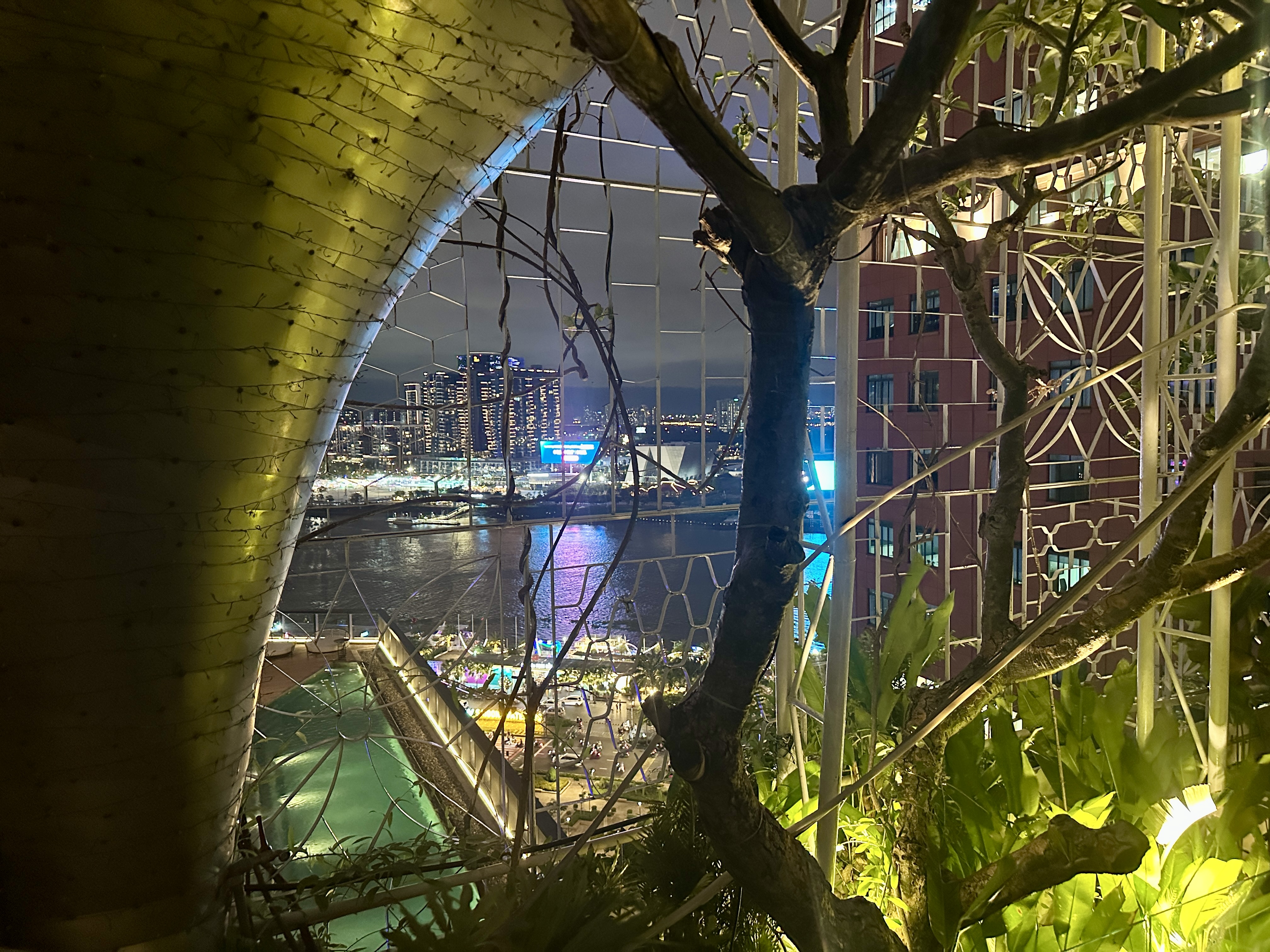
In Colorado, that lifestyle costs $15,000 a month minimum. In Saigon, it was under $2,000.
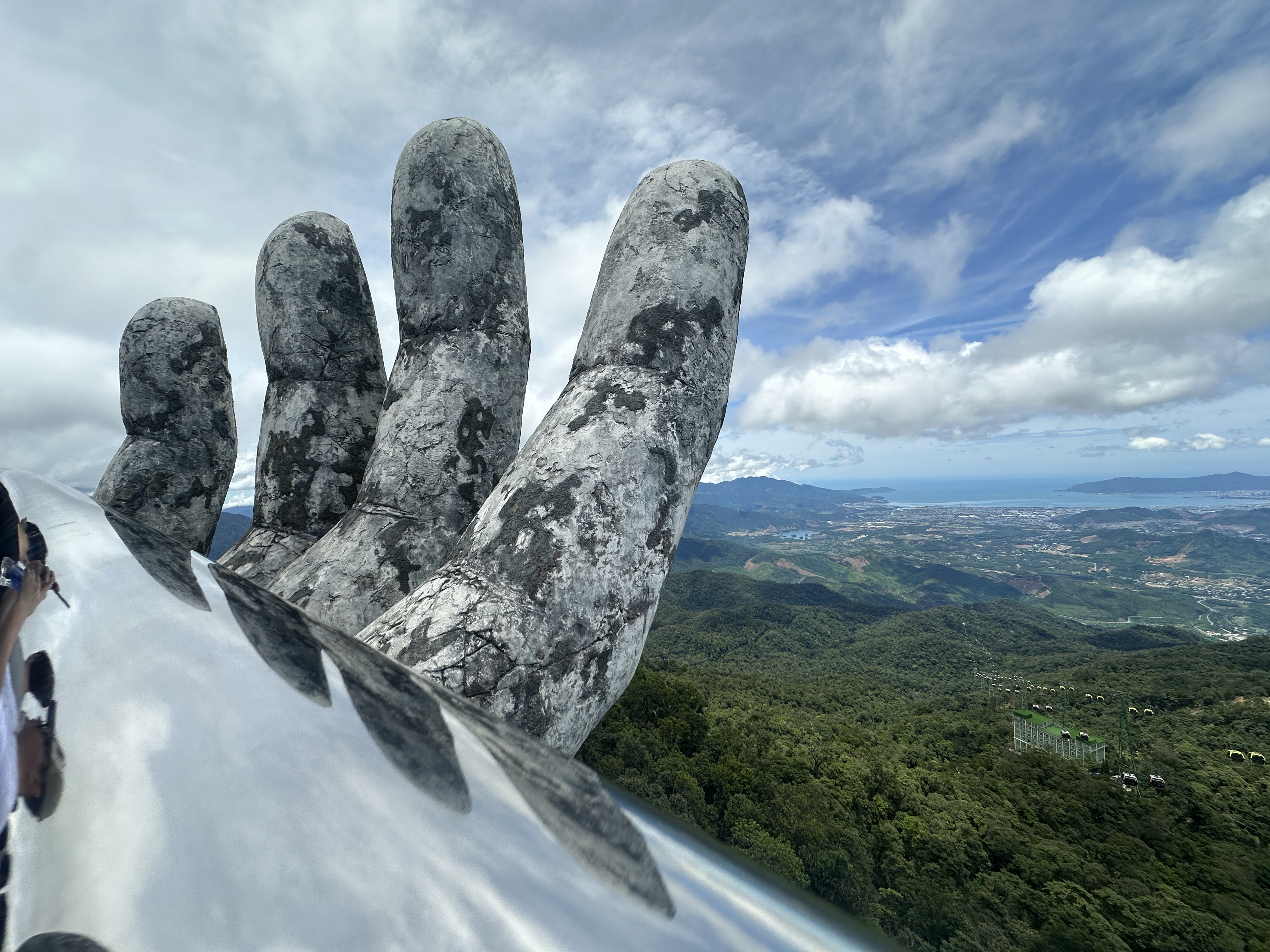
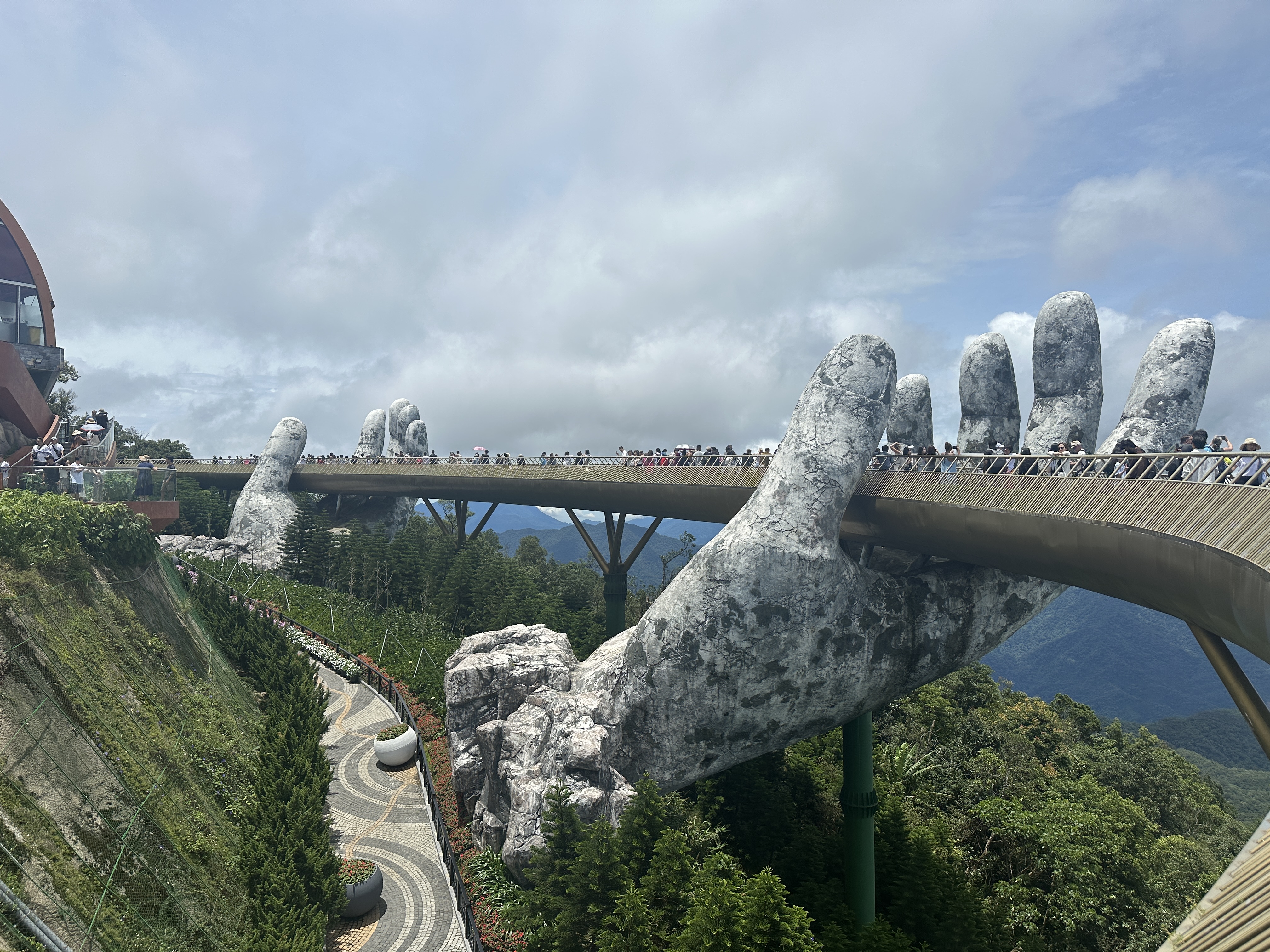
I was down to one job, so I worked the "vampire shift"—grinding through US hours at night. The city is alive 24/7, so it works perfectly. Sleep through the hottest part of the day, wake up, eat healthy, train, and jump on a quick weekend flight to Da Nang to decompress at the Golden Bridge or the weasel coffee farms in Da Lat.
The Wall (Month Four)
Right around month four, the reality of the geography caught up with me.
I had an epic life that is virtually impossible to afford in the West. I had my coffee shop system dialed in, my health in check, and all my daily tasks outsourced. I was taking Vietnamese language classes and could function in a local market.
But I was incredibly lonely.
Building a real network here hits two massive walls:
1. The Linguistic Ceiling. Vietnamese is brutally hard. It is a tonal language that is phonetically and culturally a completely different animal than English. While I could order pho or negotiate a taxi, having a deep, philosophical conversation was basically impossible. You can’t build real connections on small talk.
2. The Economic Reality of Dating. This is where the dynamic from the Philippines started to repeat itself. Yes, Saigon is a Tier 1 city with immense luxury, but most actual Vietnamese live well below what we would consider severe poverty in the US. You can't always tell because they dress incredibly well (most clothes are manufactured here), but the math is undeniable. Earning $1,000 USD a month is what a PhD in a specialized field makes in Vietnam.
Only the ultra-wealthy locals have housekeepers, chefs, and personal trainers. So when you, as an expat, show up living that lifestyle, you aren't just a guy. You are a target for a better life. When you represent a ticket out of survival mode, you can never truly trust people's motives. Watch their actions, not their words.
The Takeaway
I didn't find the quiet rice fields I was looking for, but Saigon taught me exactly what I needed to learn.
First, focusing on health and self is no longer negotiable. I've spent my life putting others first—being a full-time single parent, grinding for startups. Moving forward, taking care of myself is the priority. It's actually a healthy, necessary selfish act.
Second, the human element of communism, when centered around the family unit, actually creates a society where people are taken care of.
Third, economic survival dynamics are universal. It doesn't matter what country you are in—when there is a massive wealth gap, people in survival mode will operate in survival mode. The world is broken on a lot of levels. Find your peace, do the most good you can, and stop trying to take on every global issue.
I learned that peace isn't found in an old Buddhist temple, on a modern contemporary bridge, or at a beach club with a DJ, or with living like the 1%. You carry it with you. Be kind, be inspired, be creative.
Next Up, Off to Split, Croatia.
By the Numbers (The Saigon Receipts)
Here is the math on living a hyper-optimized life in District 2 (Thao Dien):
The Thao Dien Setup: ~$1,000 - $1,500 USD / month gets you a high-end apartment or shared villa access with a pool and gym.
The Support Team: ~$300 - $400 USD / month covers a regular housekeeper and a private chef prepping healthy meals multiple times a week.
Personal Training: ~$200 - $300 USD / month for 1-on-1 private coaching that comes to your door.
The Hidden Cost: The Language Barrier. You can buy comfort easily, but you cannot buy deep connection without spending years mastering the tones.
Patrick
Two years of working remotely and living in the places I write about — long enough to have a regular coffee shop and an opinion about the neighbourhoods.
More from Saigon →