
The AI company Exit: M&A, Hardware Logistics, and the Australian Coastal Sprint
Selling an AgTech startup, executing an M&A handoff in Melbourne, double-dipping Brisbane shadow economies, and taking exit capital up the East Coast of Australia
The AI Exit: M&A, Hardware Logistics, and the Australian Coastal Sprint
I didn't go to Australia to find myself. I went to hand over a company.
For about a year and a half, I had been running as the Technical CPO and MLOps Lead for an AgTech startup called SpexAI. It was my side hustle, which meant I was working US hours during the day, and overlapping with the German-based SpexAI team at night/early morning.
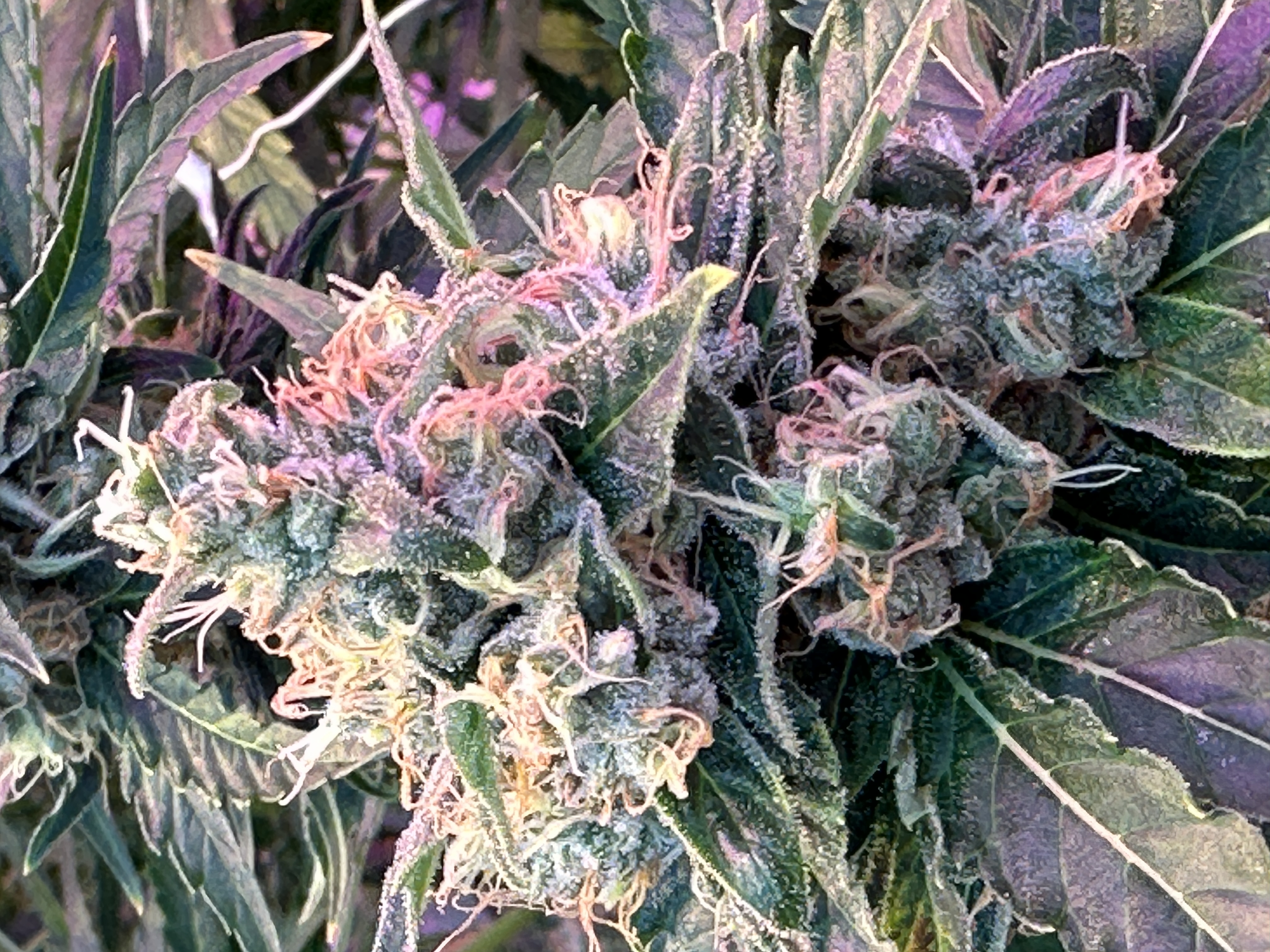
We weren't building a SaaS tool for HR. We were building hardware and machine learning systems to automate large-scale industrial greenhouses. The target market? High-value crops. Saffron, and Medical-Grade Marijuana.


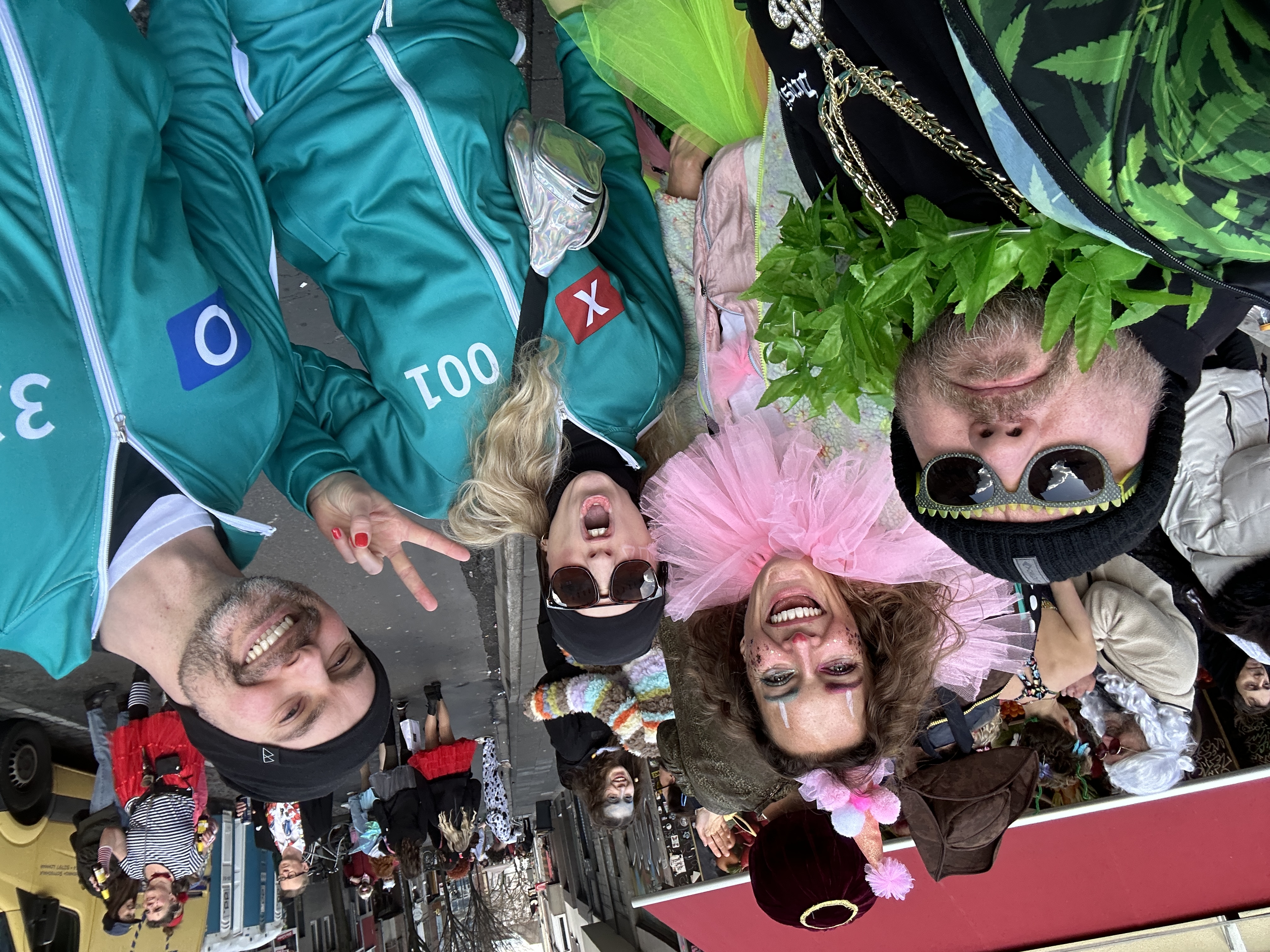
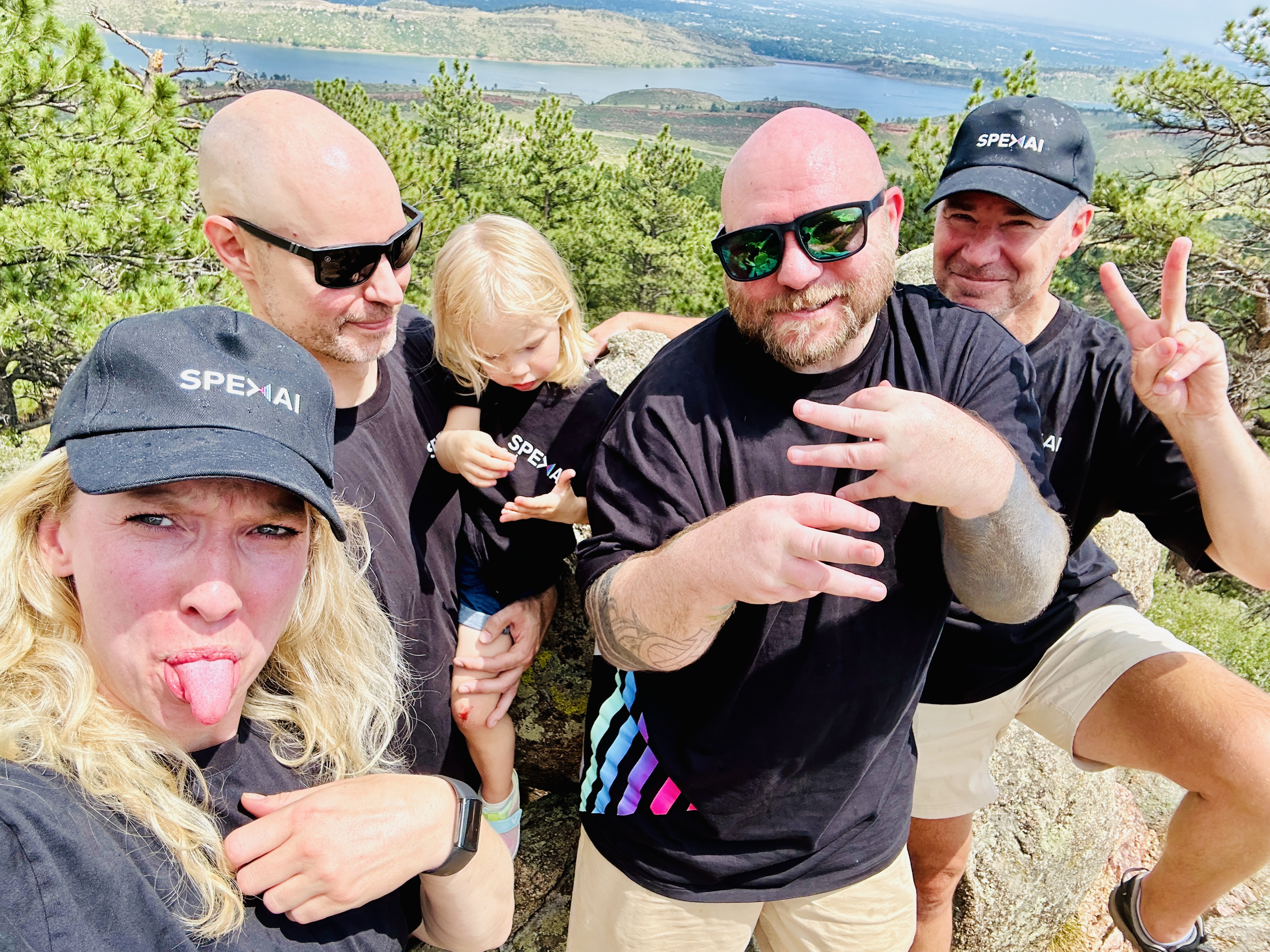
I got incredibly close with the team. They became my German family. I'd fly out and stay with them for weeks, they’d come to the States and crash with me. We built a phenomenal product and landed some major customers.
But startups run on math, not just good vibes. You burn cash during the buildout to acquire your Total Addressable Market (TAM), and eventually, you need a bridge round to get you over the line to profitability. We had a massive customer lined up in Canada, but the timeline was off by a few months.
We ran the numbers. We had a choice: close up shop, or take one of the acquisition offers on the table, cut our losses, and walk away with a nest egg.
We took the offer. An Australian company bought us.
The Drop into Melbourne
So instead of grinding out another funding round, I booked a Qantas First Class ticket and flew to the other side of the planet.
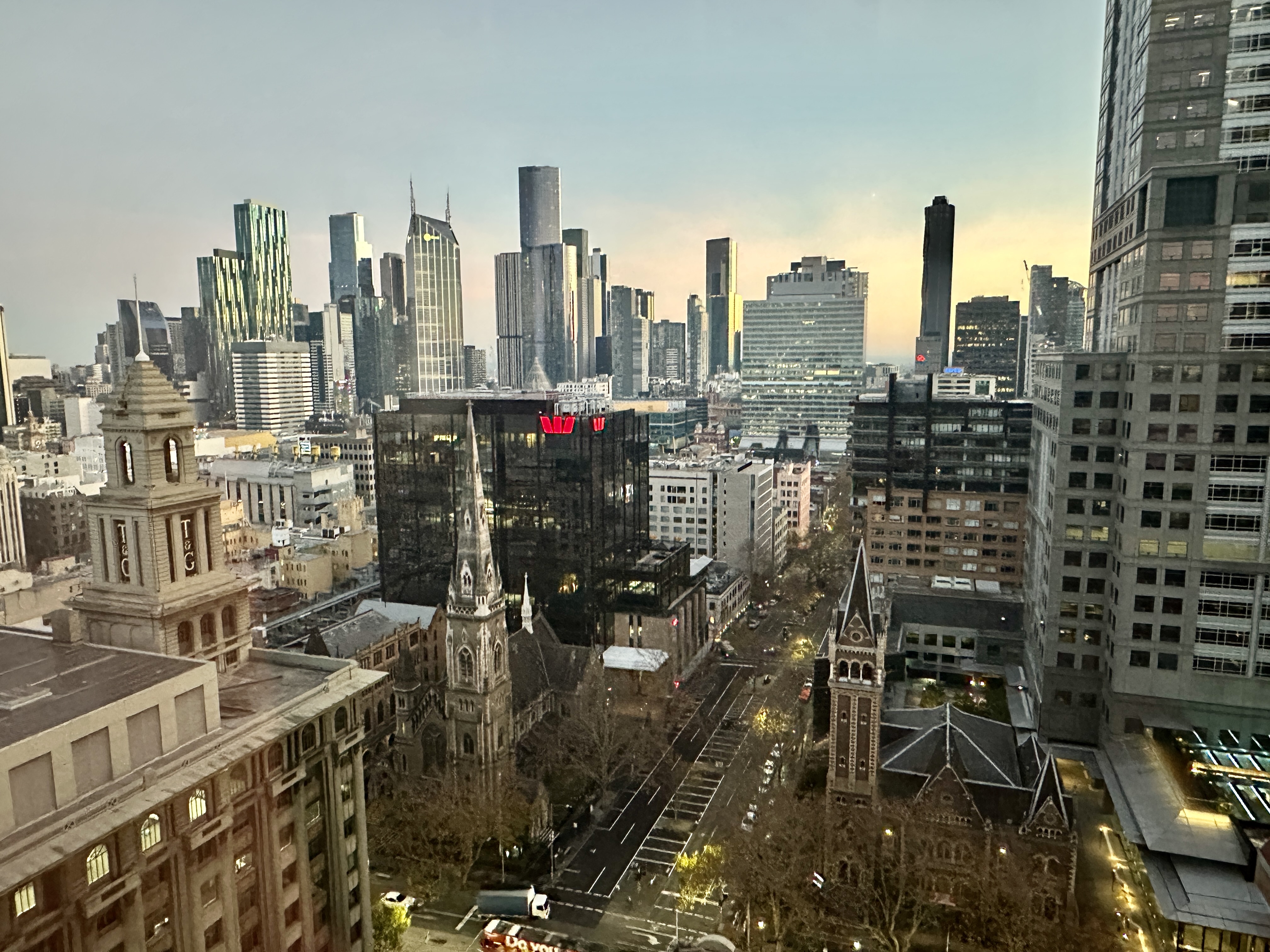
The mission wasn't a vacation. I landed in Melbourne to execute the physical handoff.
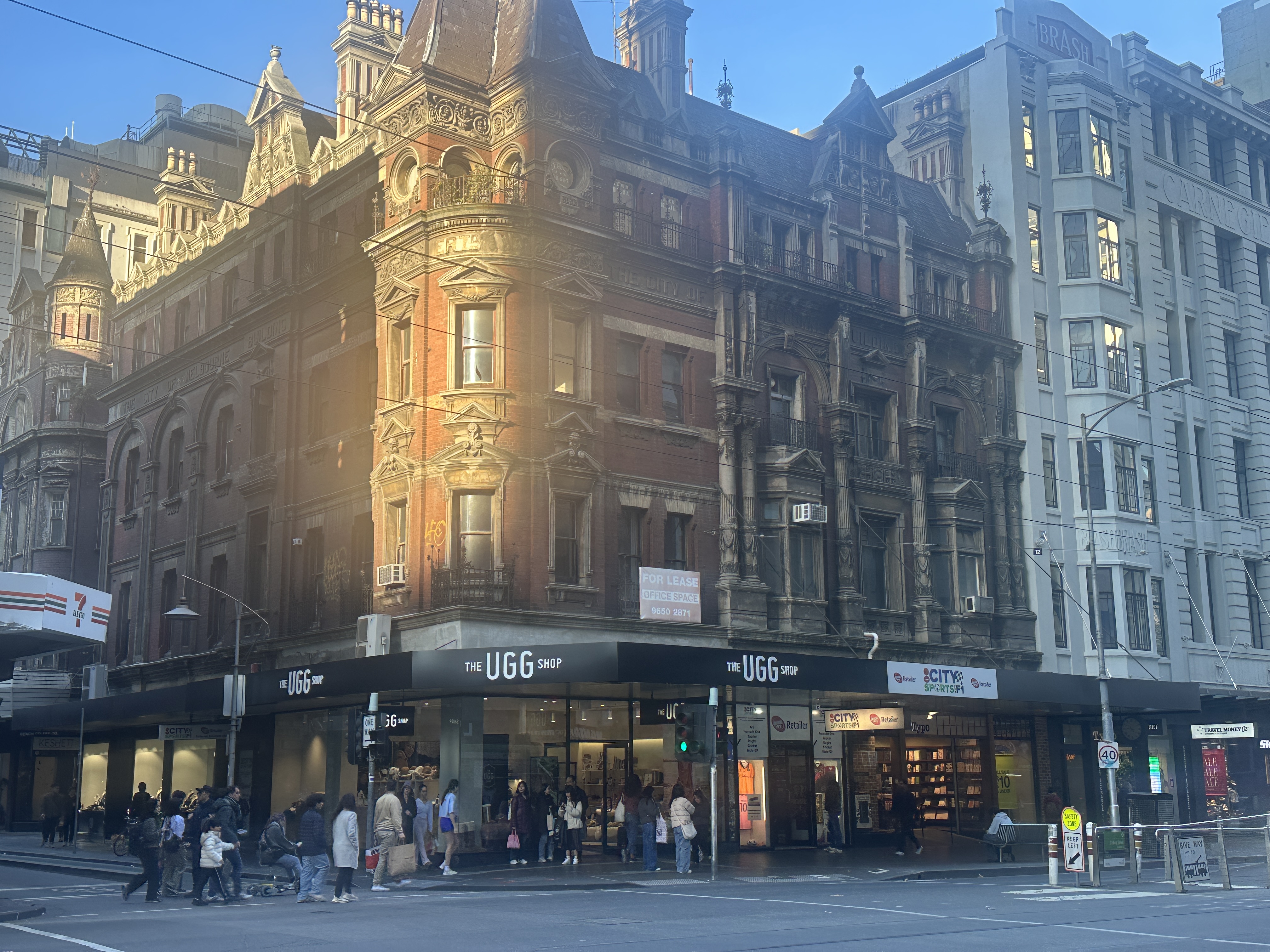
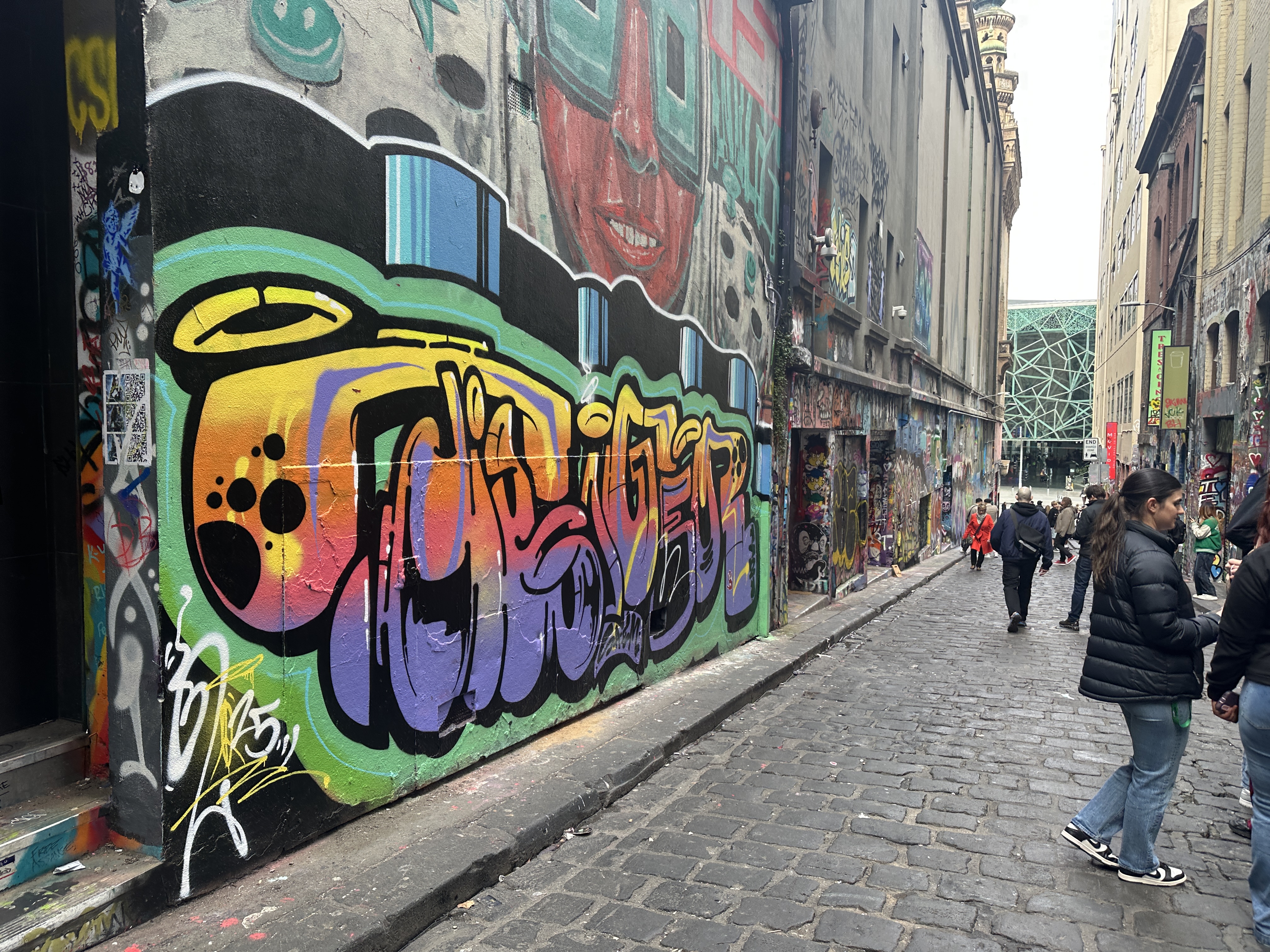
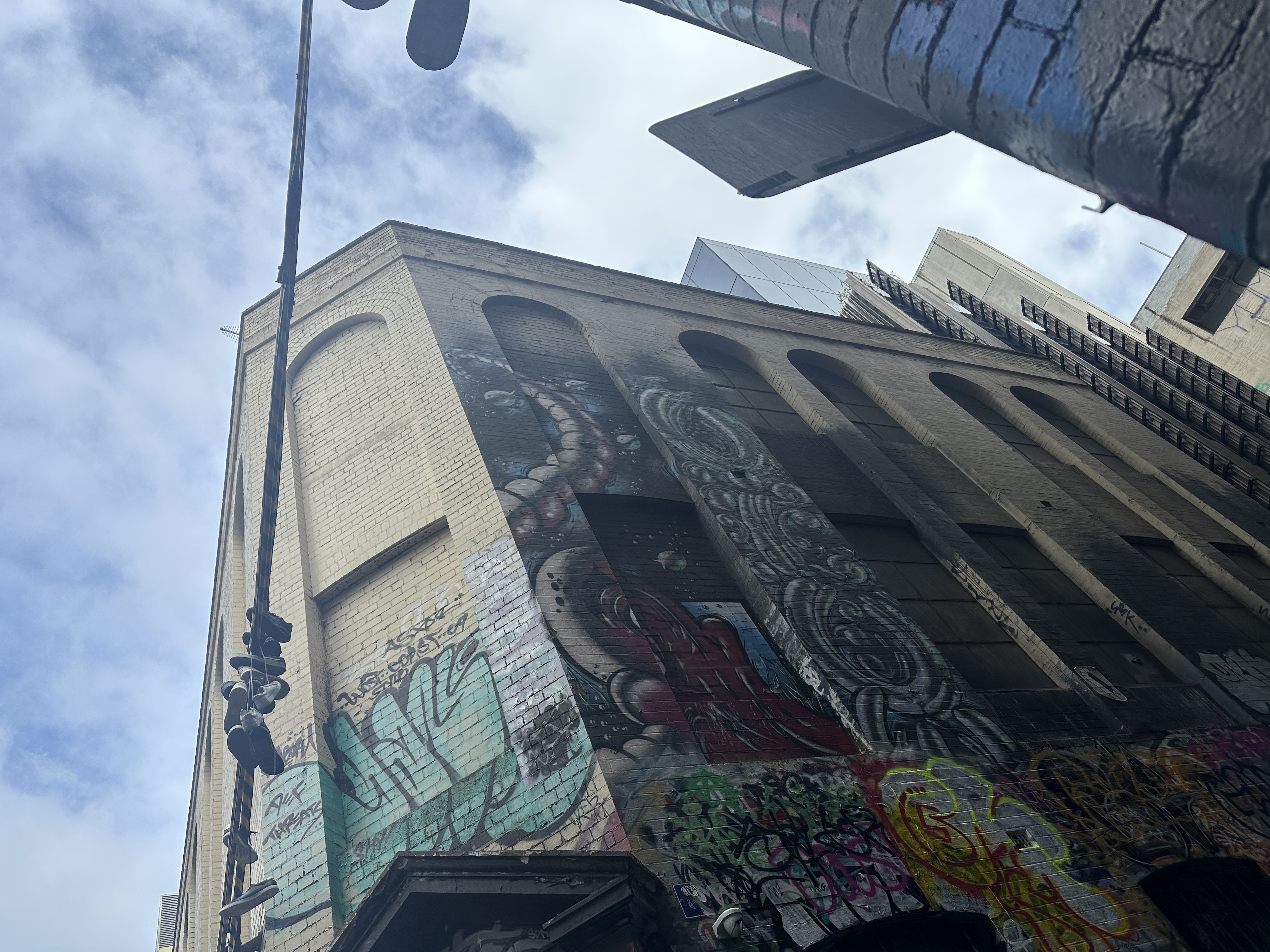
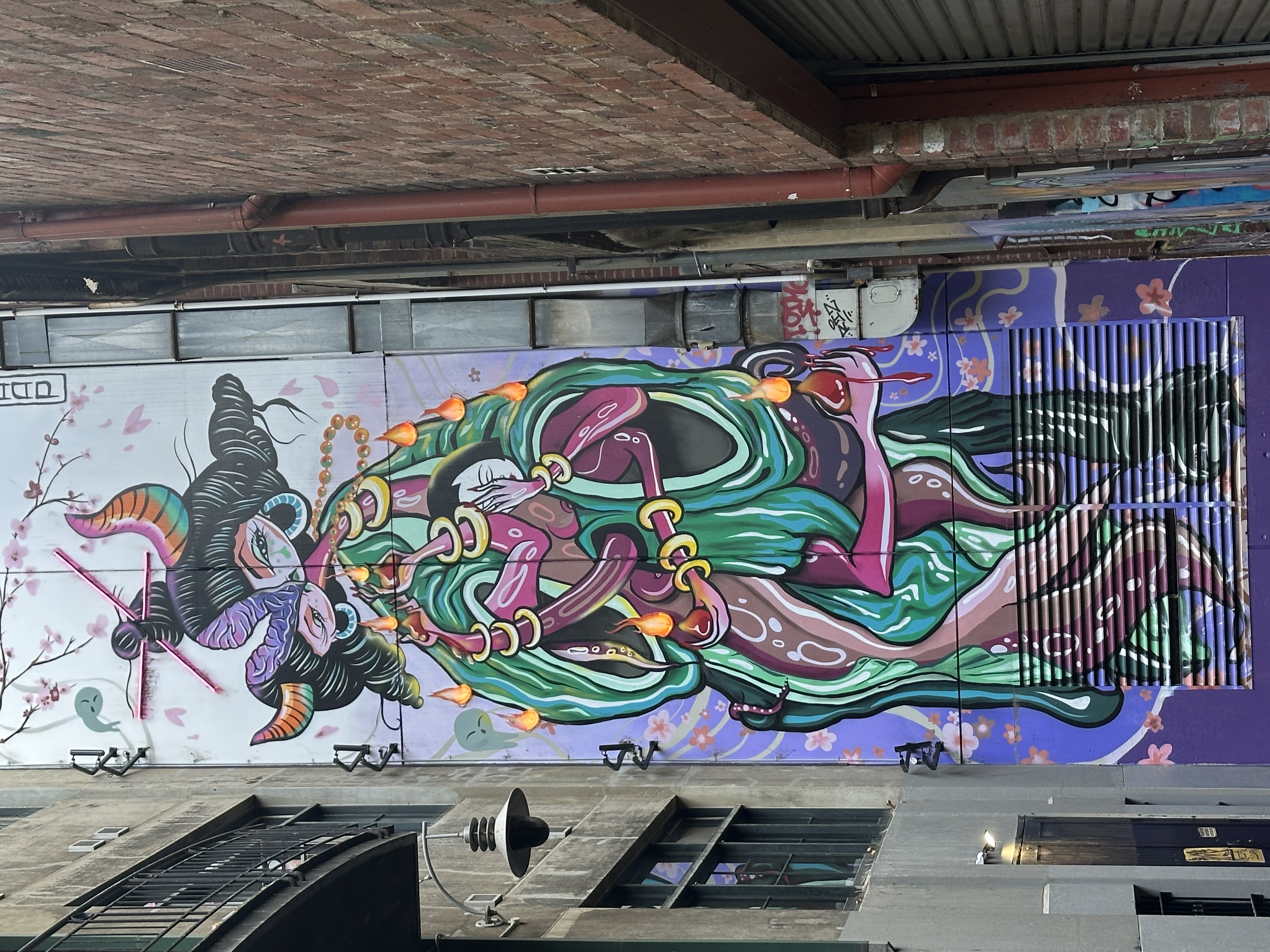
Our destination was a massive, fully funded grow-house run by La Trobe University up in Mildura. If you don't know the landscape, La Trobe is basically the agricultural MIT of Australia. My job was to meet the PhD students who would be taking over as the operators of the system, walk them through the MLOps architecture, and hand over the keys
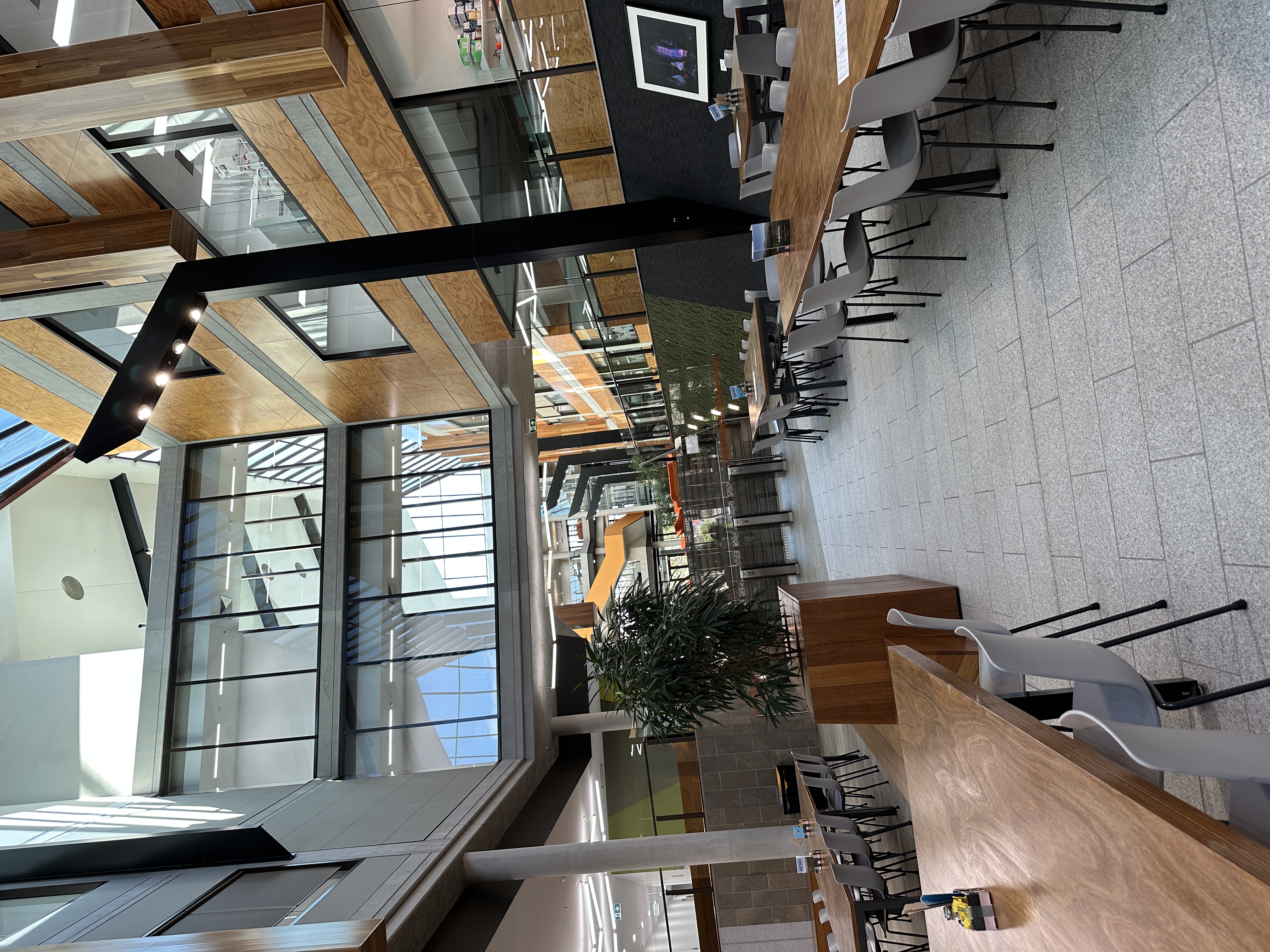
You walk into these rooms jet-lagged out of your mind, running on pure adrenaline and bad coffee. But the La Trobe folks were incredible. Brilliant, pragmatic, and entirely focused on the execution. We handled the transition, and they're still friends of mine today.
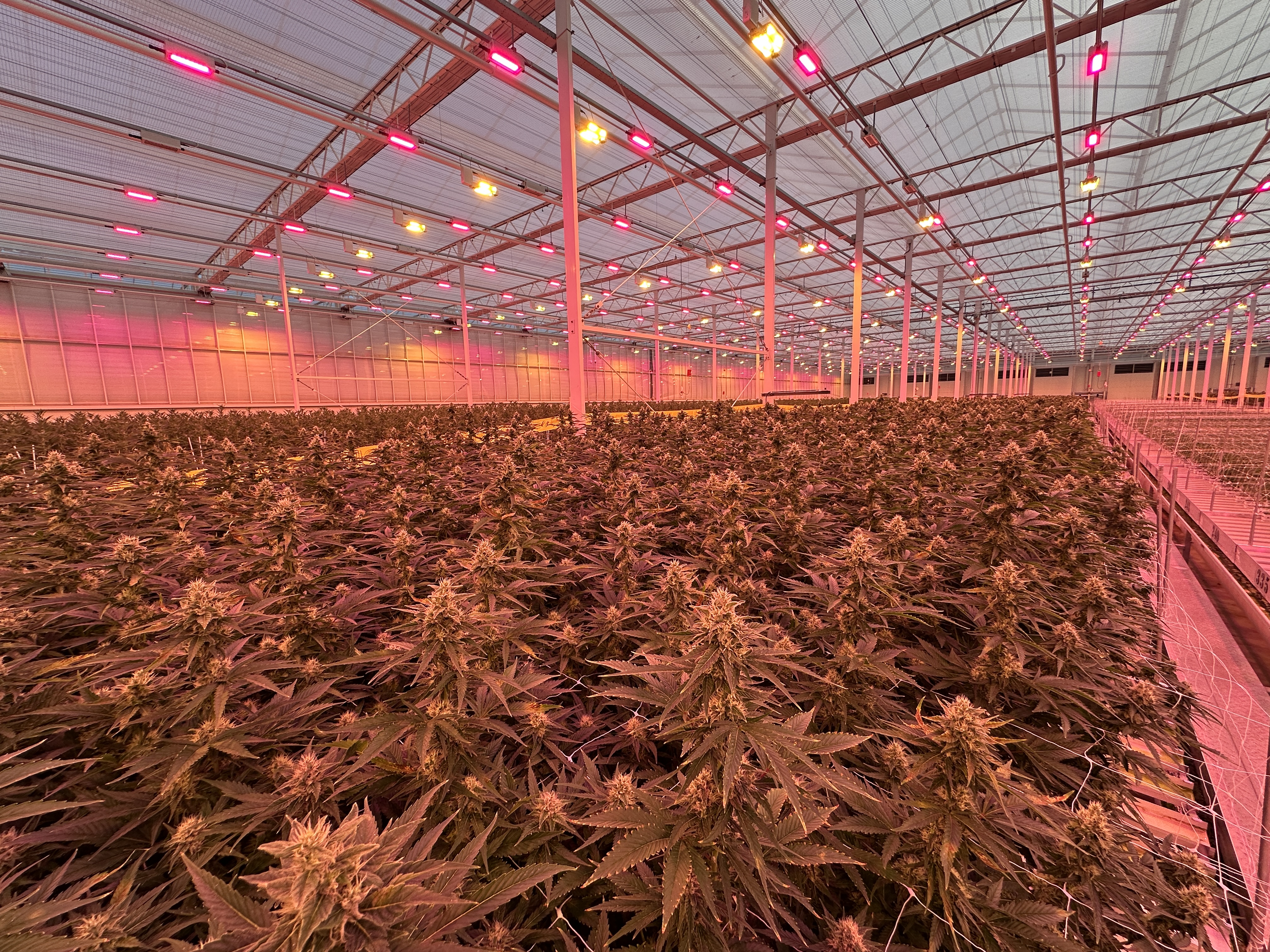
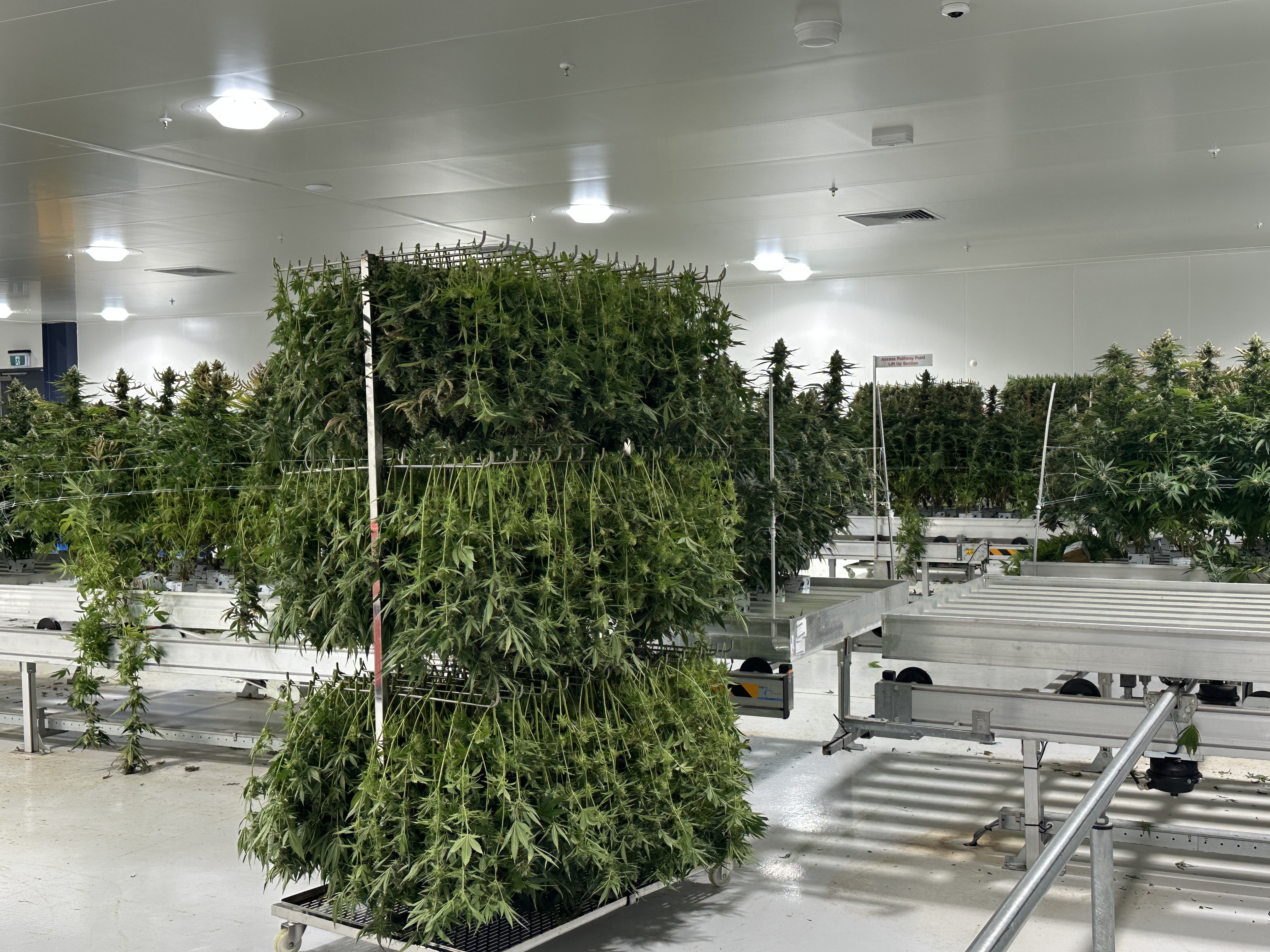
But the university handoff in Mildura was just the start of the trip. Once the ink was dry and the repos were transferred, the corporate sprint turned into something completely different.
The Hardware Reality Check
Hardware is undefeated in its ability to ruin a timeline.
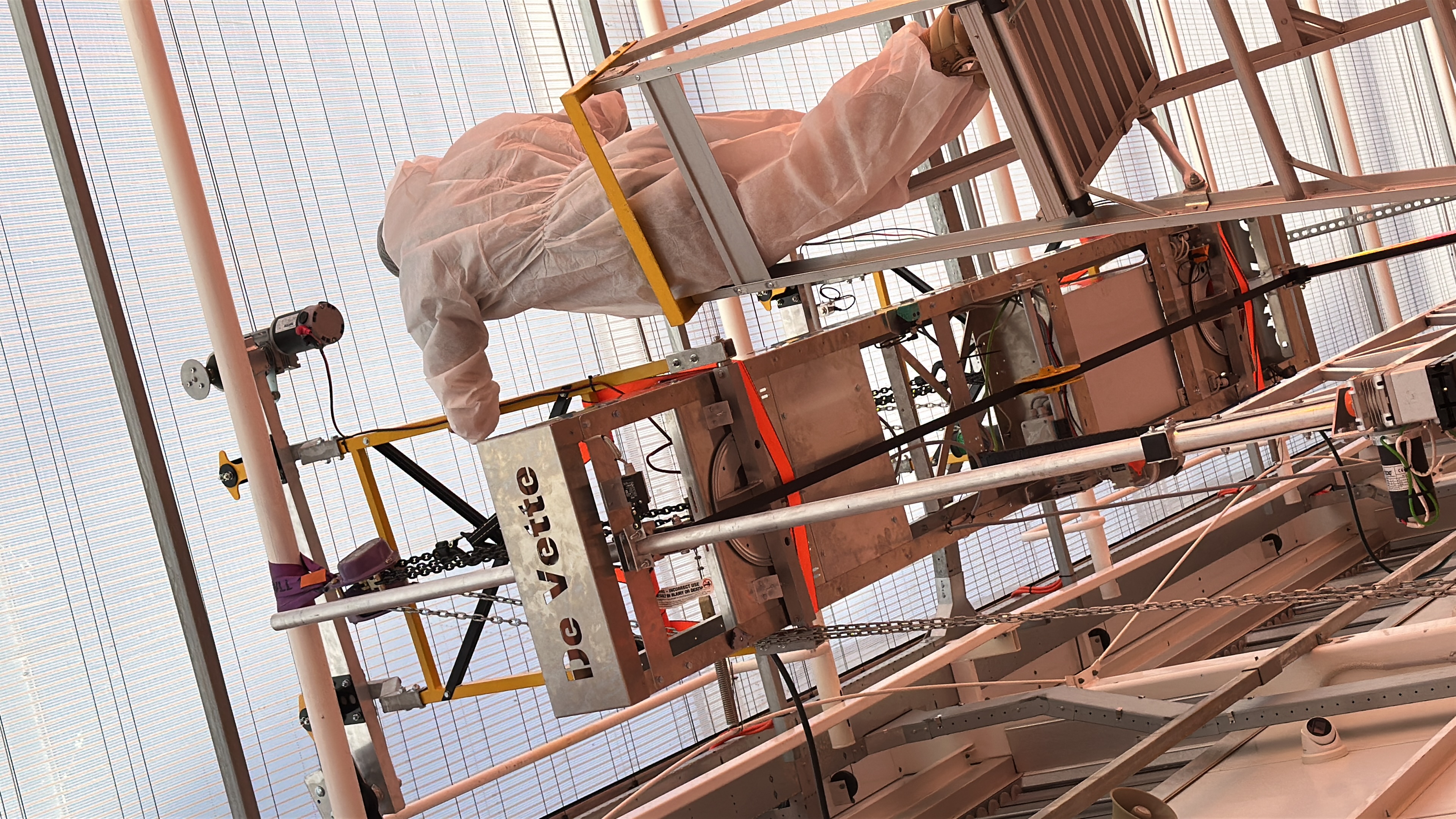
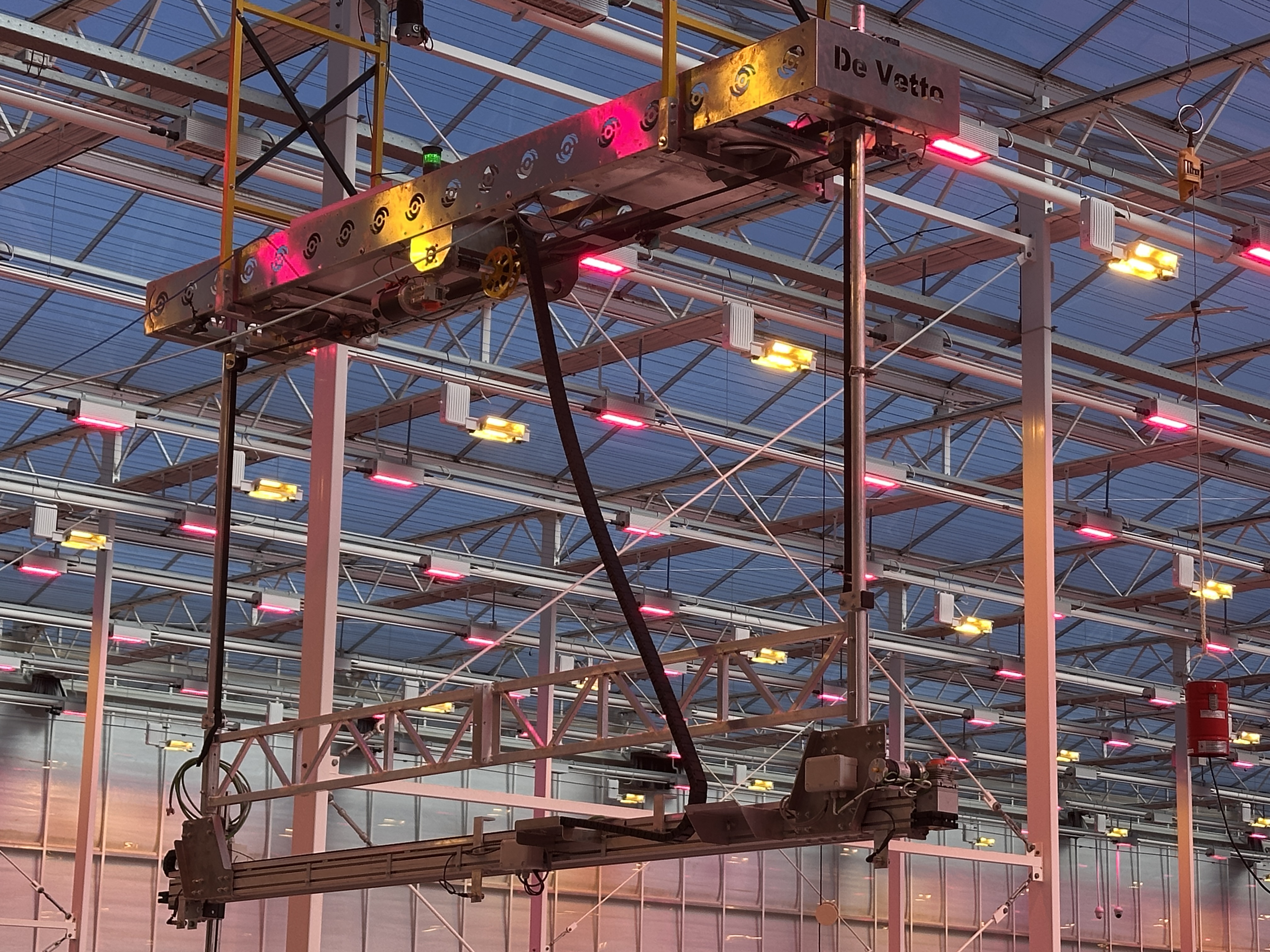
We had contracted with a Dutch company to build the gantry system—the massive physical rig that suspends our spectral cameras over the crop canopy. When the shipment finally arrived on site in Mildura, it was missing critical parts. Worse, the components that did arrive completely failed to meet Australian safety standards. You can't just tape it together and push to production when you're dealing with industrial agriculture infrastructure.
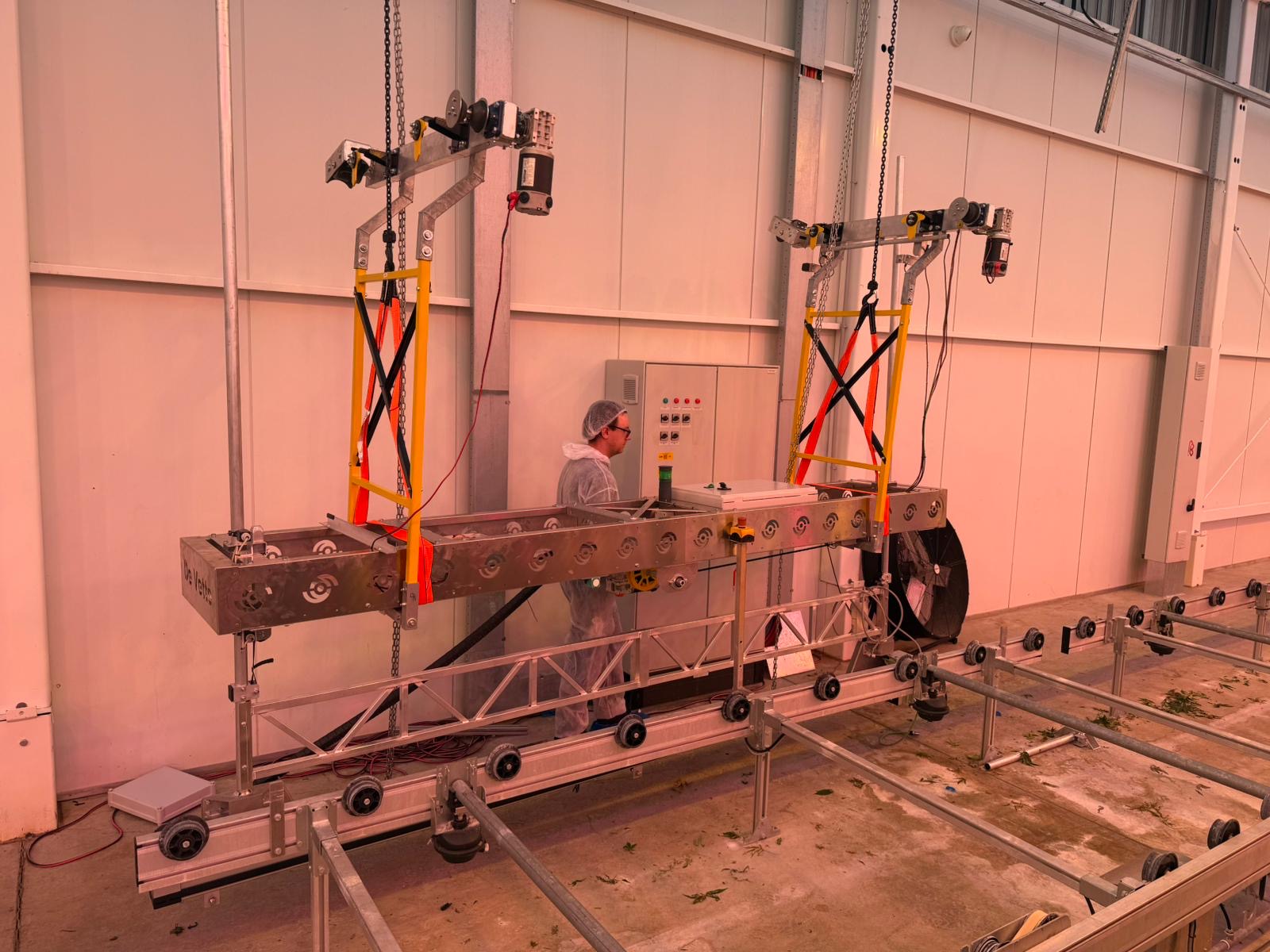
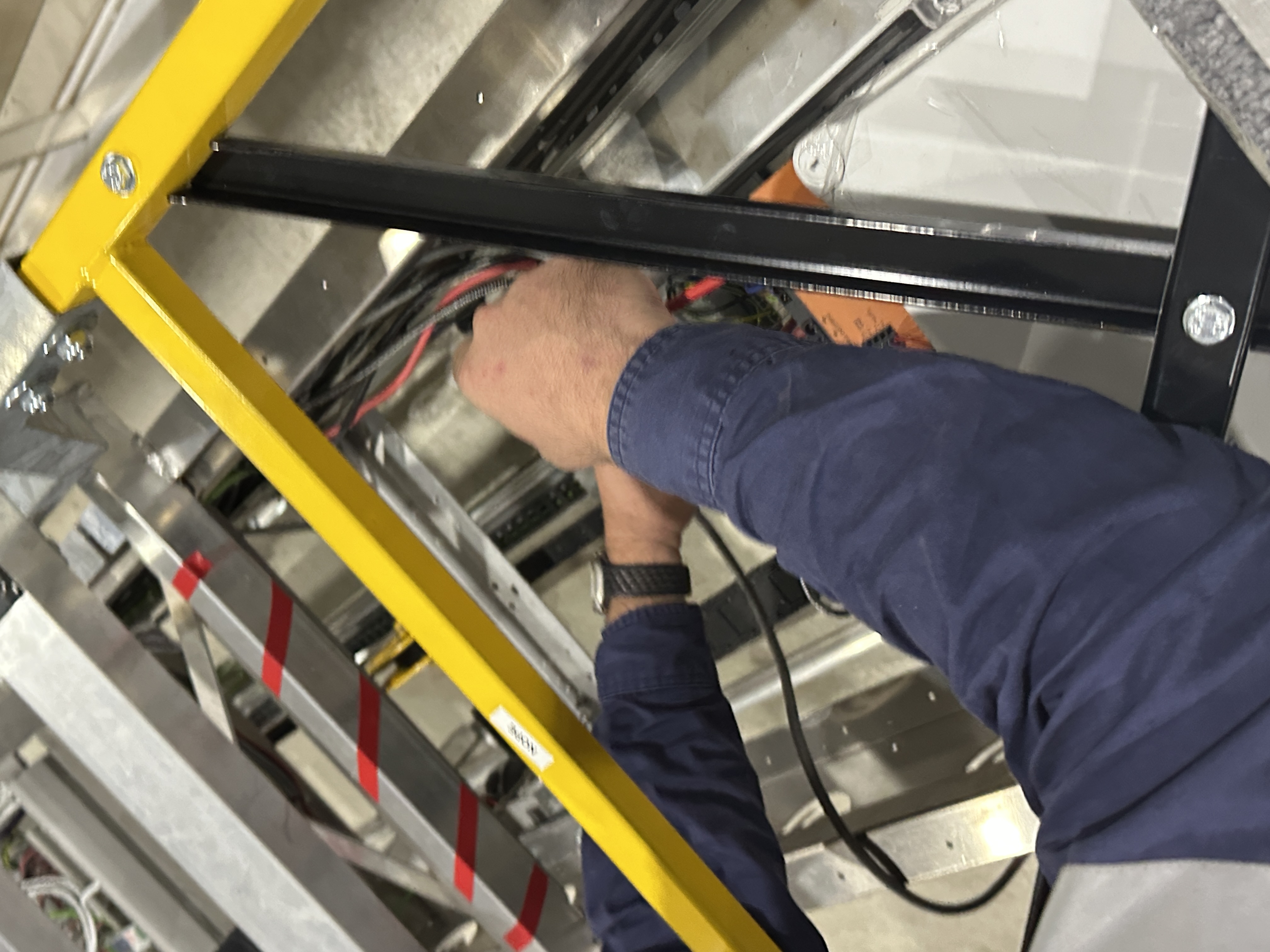
Here is where you run the numbers.
We looked at the delay. We looked at the cost of flying me back to the US and the rest of the team back to Germany, only to turn around and fly everyone back to Australia a week later when the Dutch team finally shipped the compliant parts. The math was obvious. It was literally cheaper to extend the rental car, stay in the country, and turn the delay into a coastal sprint.
We didn't just sit on our hands. We executed everything we could on the software side to ensure the La Trobe team was ready. Racked the GPUs, cloned the Git repos, ran the integration tests, and locked in the AWS fallbacks and cloud backups. The brain of the system was fully operational; we were just waiting on the skeleton.
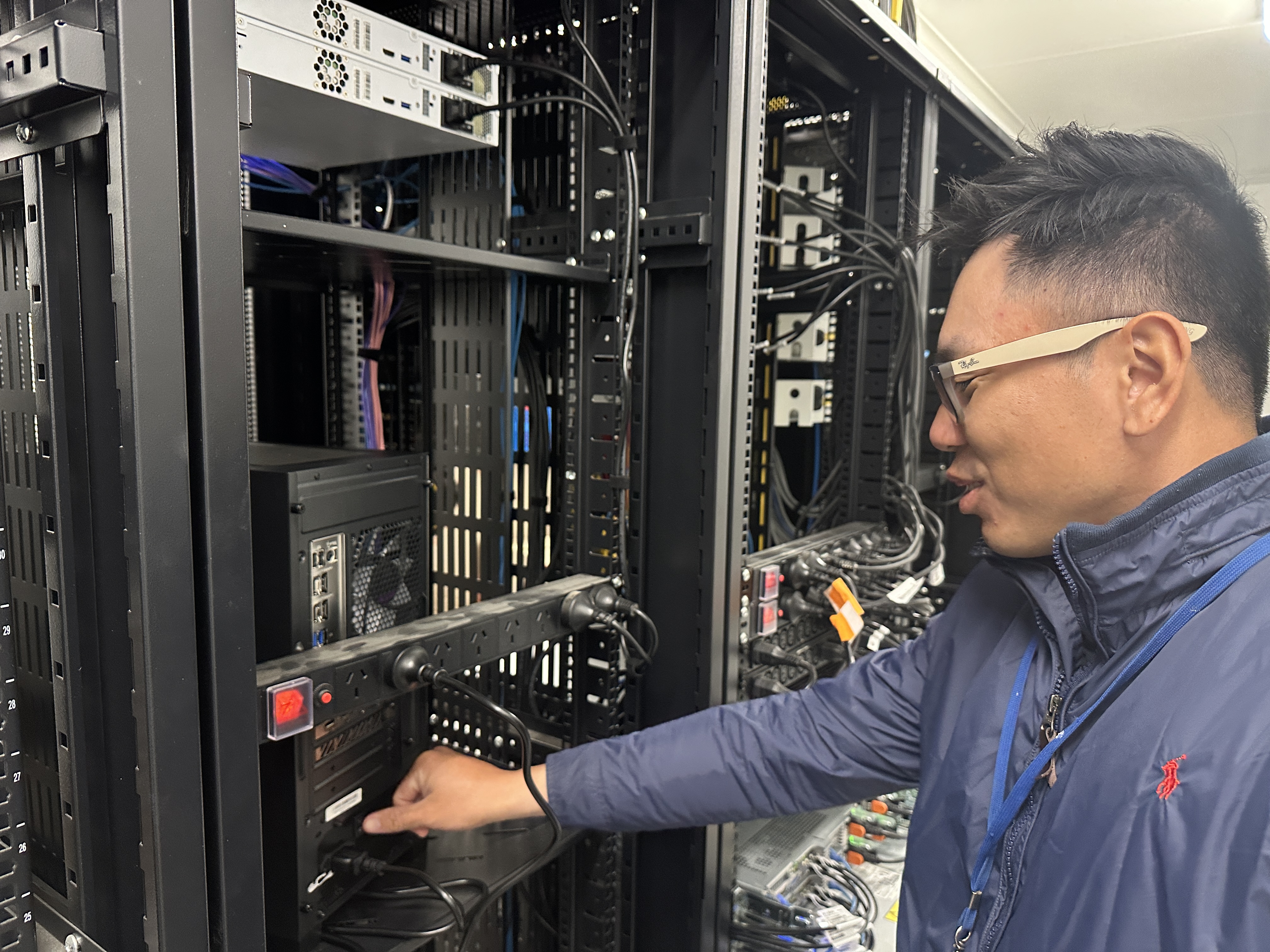
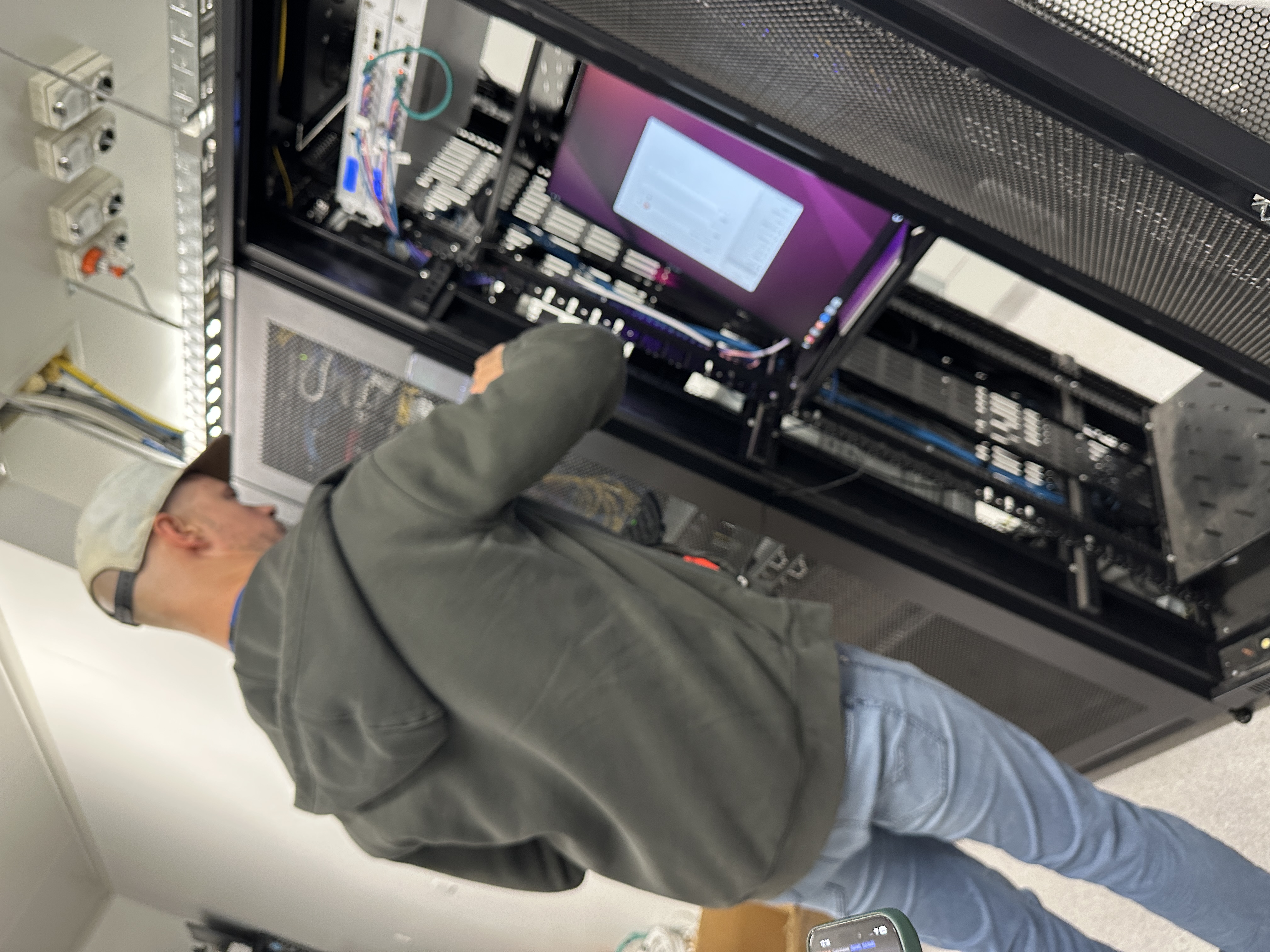
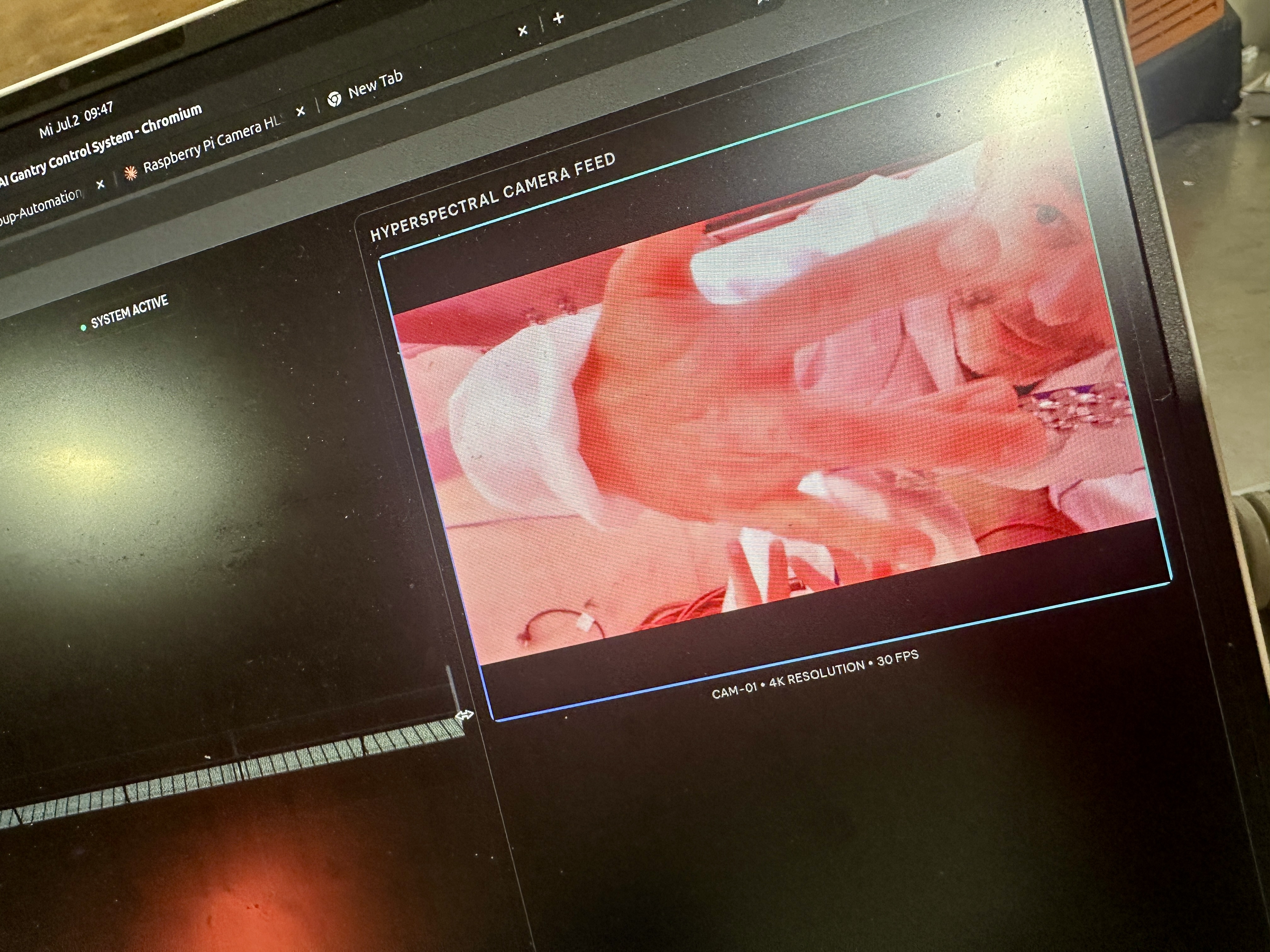
With the software locked and the hardware stalled, we were officially in a forced holding pattern.
The Pivot North
We were sitting in a rental car on the other side of the planet. The company was sold. We were under zero legal or ethical non-competes preventing us from lining up our next gigs.
We looked at the map. There were several other major industrial grow houses up the coast that had been in the original acquisition bidding process. They knew our tech, they knew our capabilities, and they needed automation. If we could spin up a few independent consulting contracts to kick off the day after our handoff finalized, why the hell wouldn't we?
Double-dip the geography. You don't waste a free flight to a target-rich environment.
We packed the car, hit the highway, and pointed it north. Off to Brisbane.
The Real Capital and the Shadow Ledger
If you read the textbooks, you'd think Sydney or Melbourne runs Australia. If you look at the ledger, you realize it’s Brisbane.
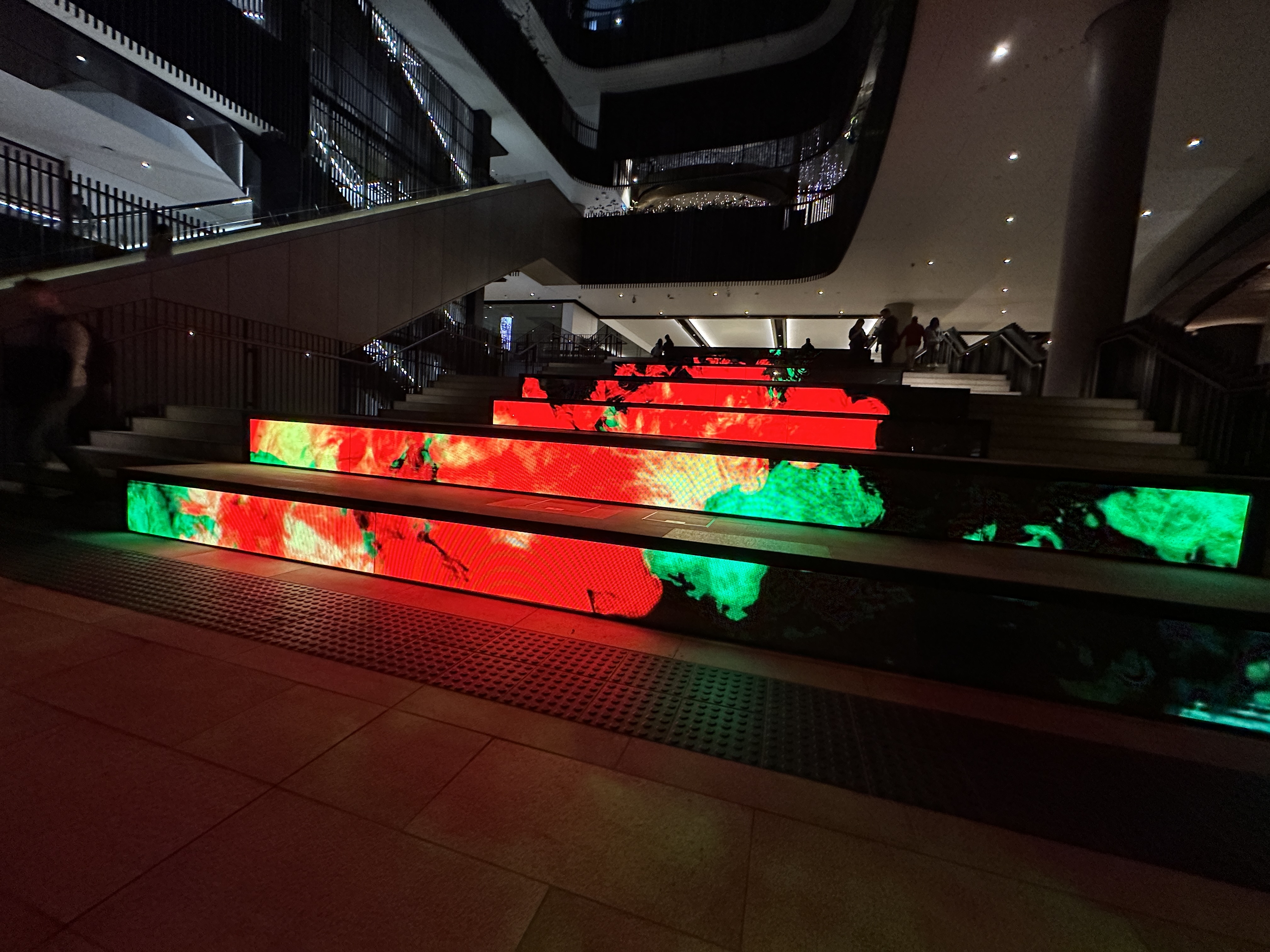
Brisbane is the actual economic engine of the country, and it is dead quiet about it.
Here is the history lesson Wikipedia scrubs out. Brisbane operates on two massive, distinct streams of money. First, you have the old Australian families—the generational wealth built on railroads and mining. If you know anything about the Australian landscape, you know the mineral money is basically infinite.
Second, you have Chinese gambling and investment money.
Contrary to the geopolitical noise, there is staggering wealth in China, but getting it out of the country is hard. So here is the hustle: Macau. Macau is like Las Vegas, but operating at a higher tier of capital movement. The play is to buy into a casino franchise that also happens to have a footprint in Brisbane. You log a massive loss at the casino in Macau. It goes on the official books, but the shadow ledger lets you pick that loss up clean in Brisbane, with a percentage skimmed off the top.
What do these two worlds have in common? The flywheel.
Chinese capital buys the Australian dirt from the mining families. They use the Australian railroads to move it. They put it on ships and send it straight north back to China.
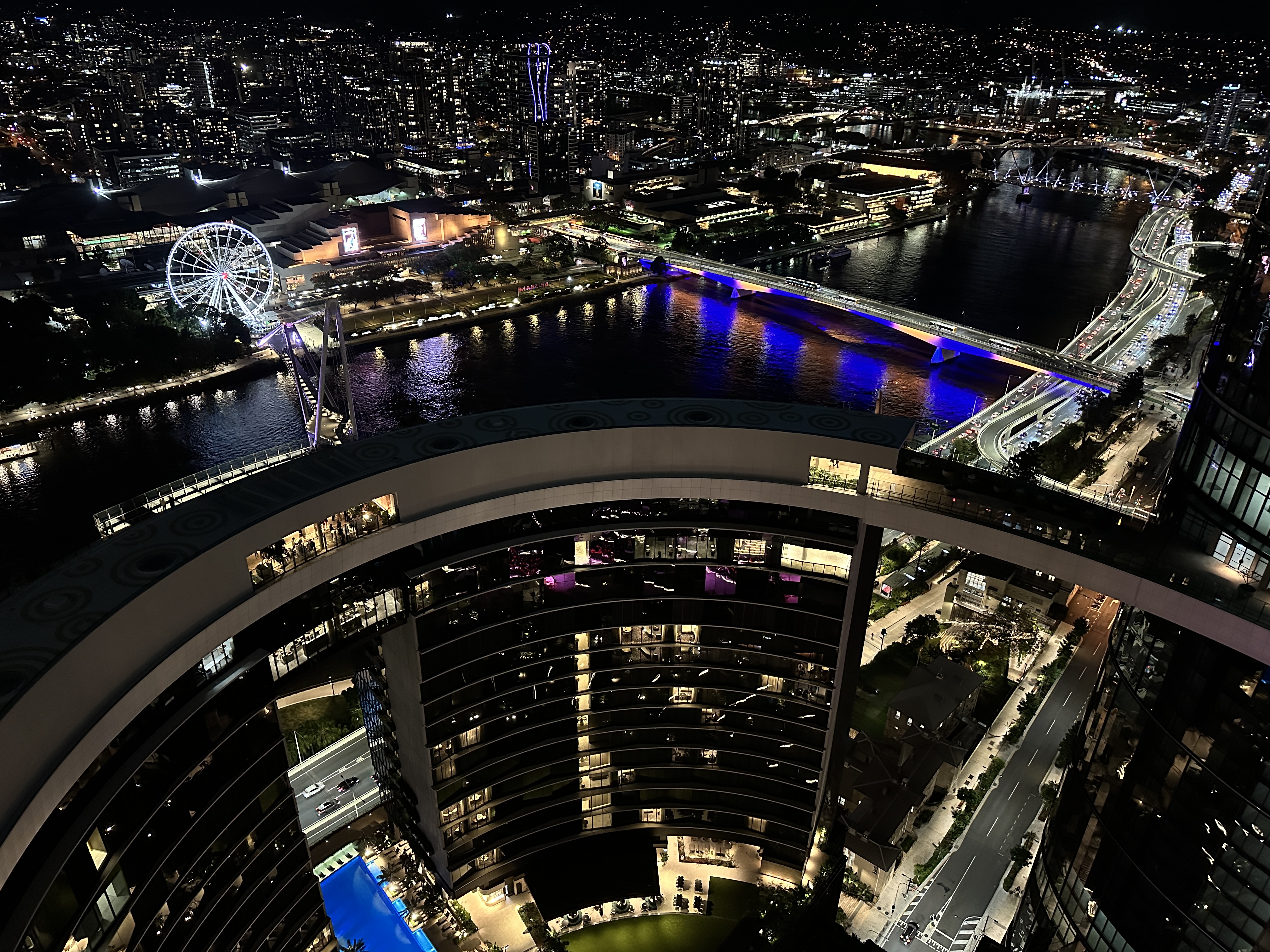
Australia profits from this on so many levels that it’s practically impossible not to have a massive, insulated middle class. Taxes are low, pay is remarkably high, social systems rival the best of the EU, and you have a relatively tiny population sharing the spoils. Everyone lives on the coast, and the cycle just keeps spinning.
The ROI of Give First
How do I know this? Not from a textbook. From the ground.
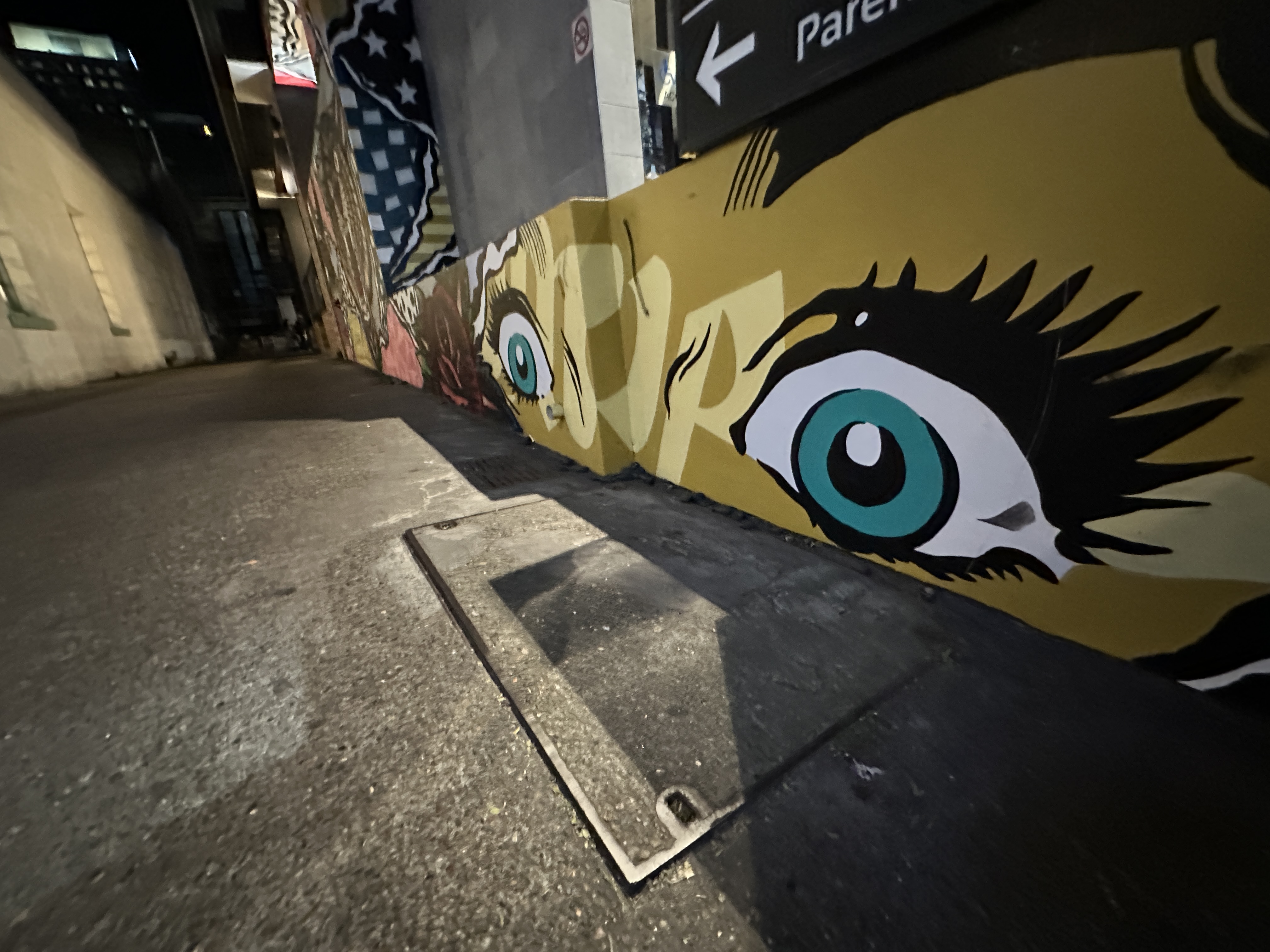
While we were sitting in Brisbane waiting for the Dutch hardware to clear customs, we met with one of the other companies that had tried to buy SpexAI. It was one of those old-money railroad families, and they were diversifying into medical marijuana.
We took the meeting. We ran the numbers with them. The reality was that their greenhouse wouldn't be operational until late 2025 or early 2026. There was no immediate contract to sign. We couldn't build it for them today.
Most operators would have packed up and left. We didn't.
We gave them the architectural playbook. We walked them through the exact infrastructure they needed to plan for now—the power loads, the network drops, the camera mounts—so they wouldn't have to retrofit an active greenhouse for automation two years down the line. We unblocked them for free.
Give First isn't just a catchy tech slogan. It's an operating system. Generosity is strategy.
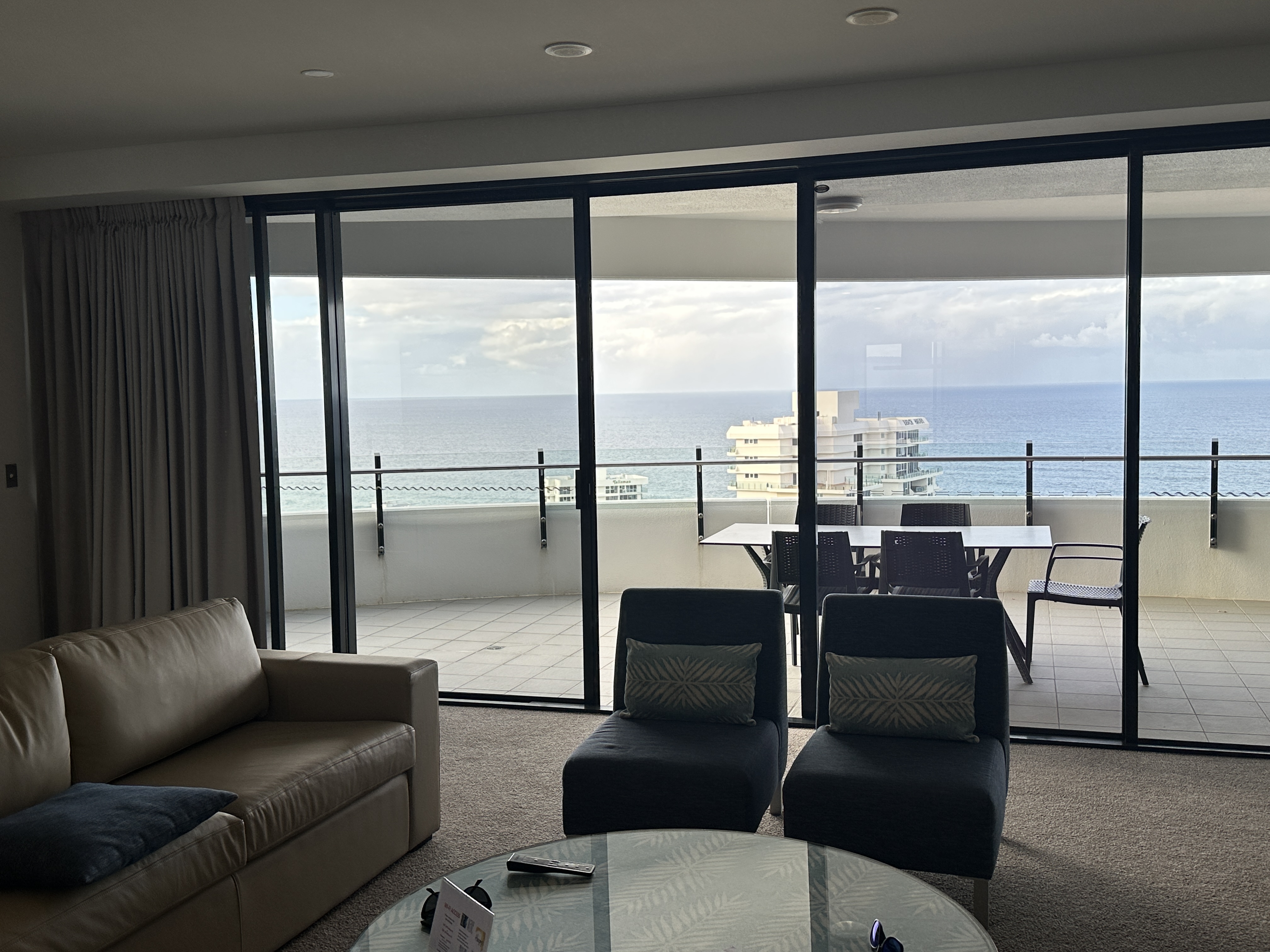
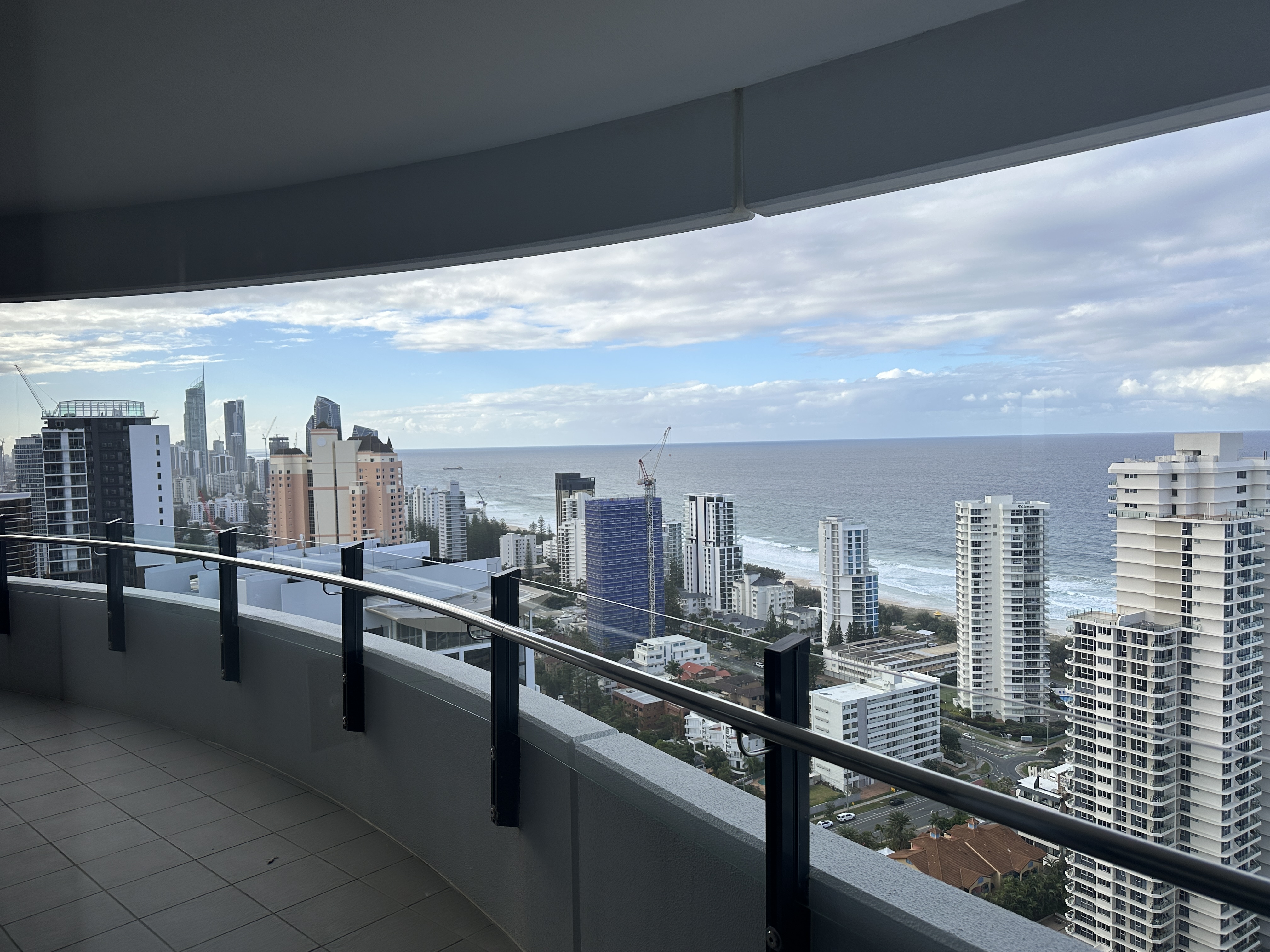
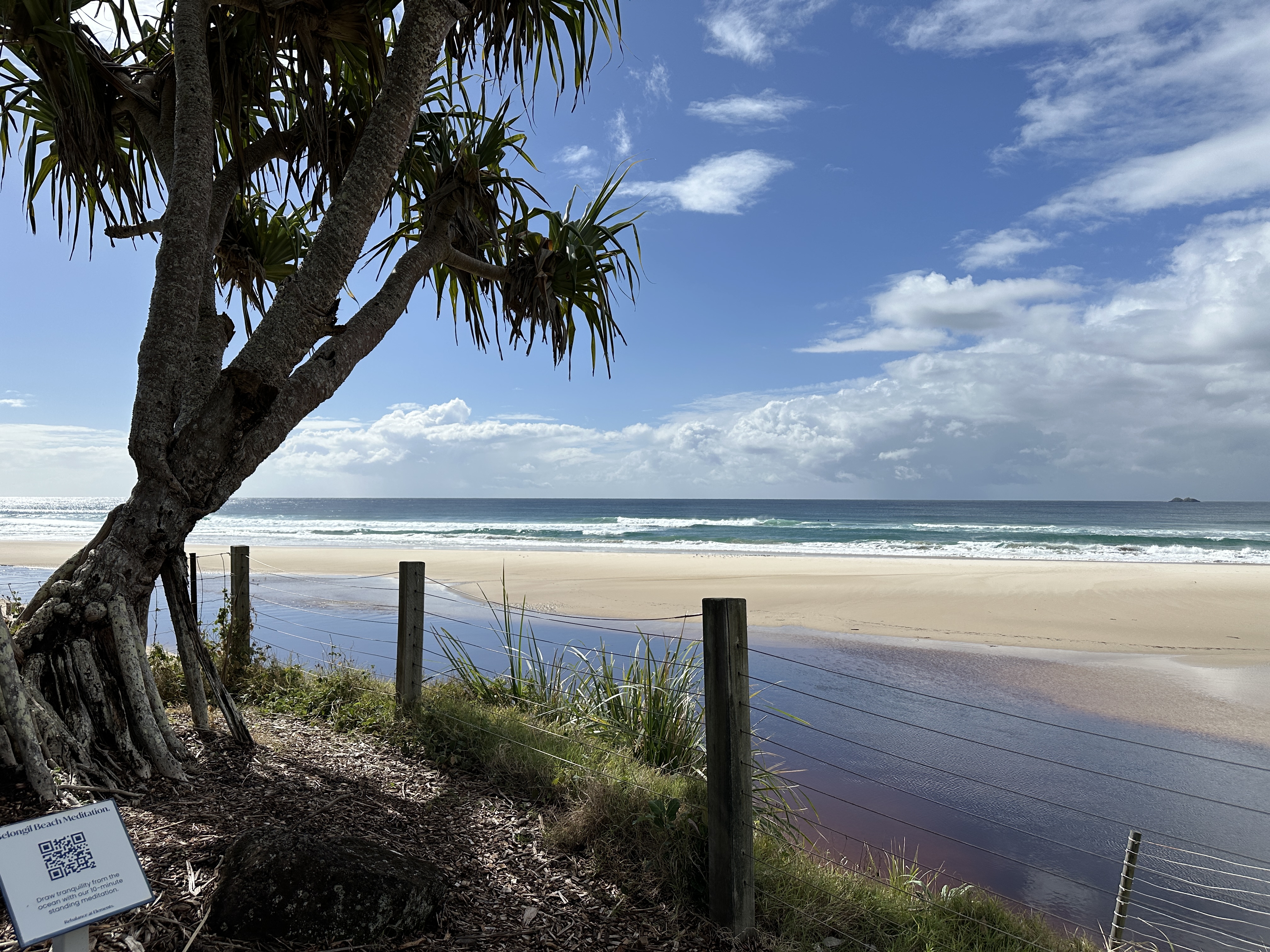
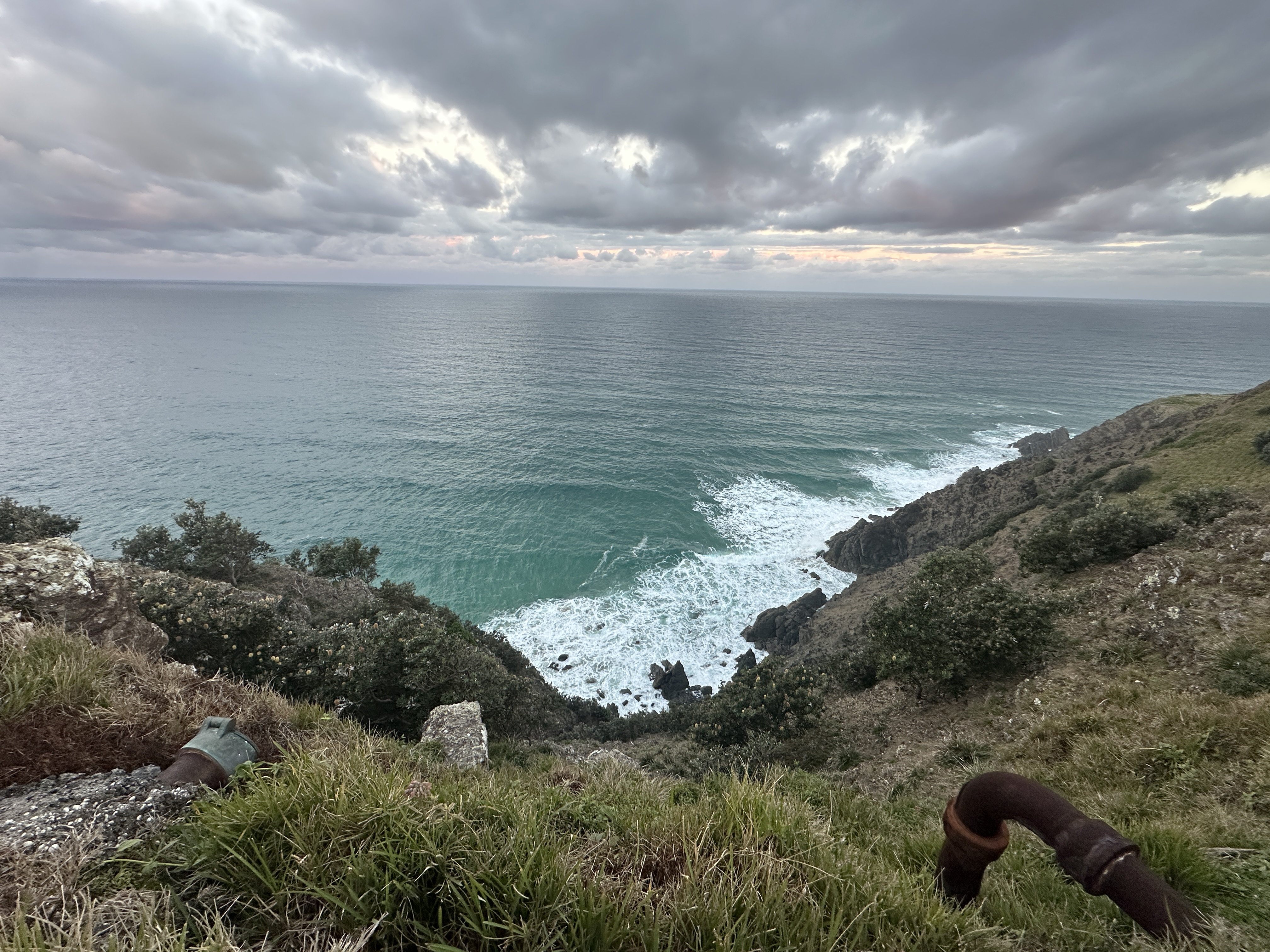
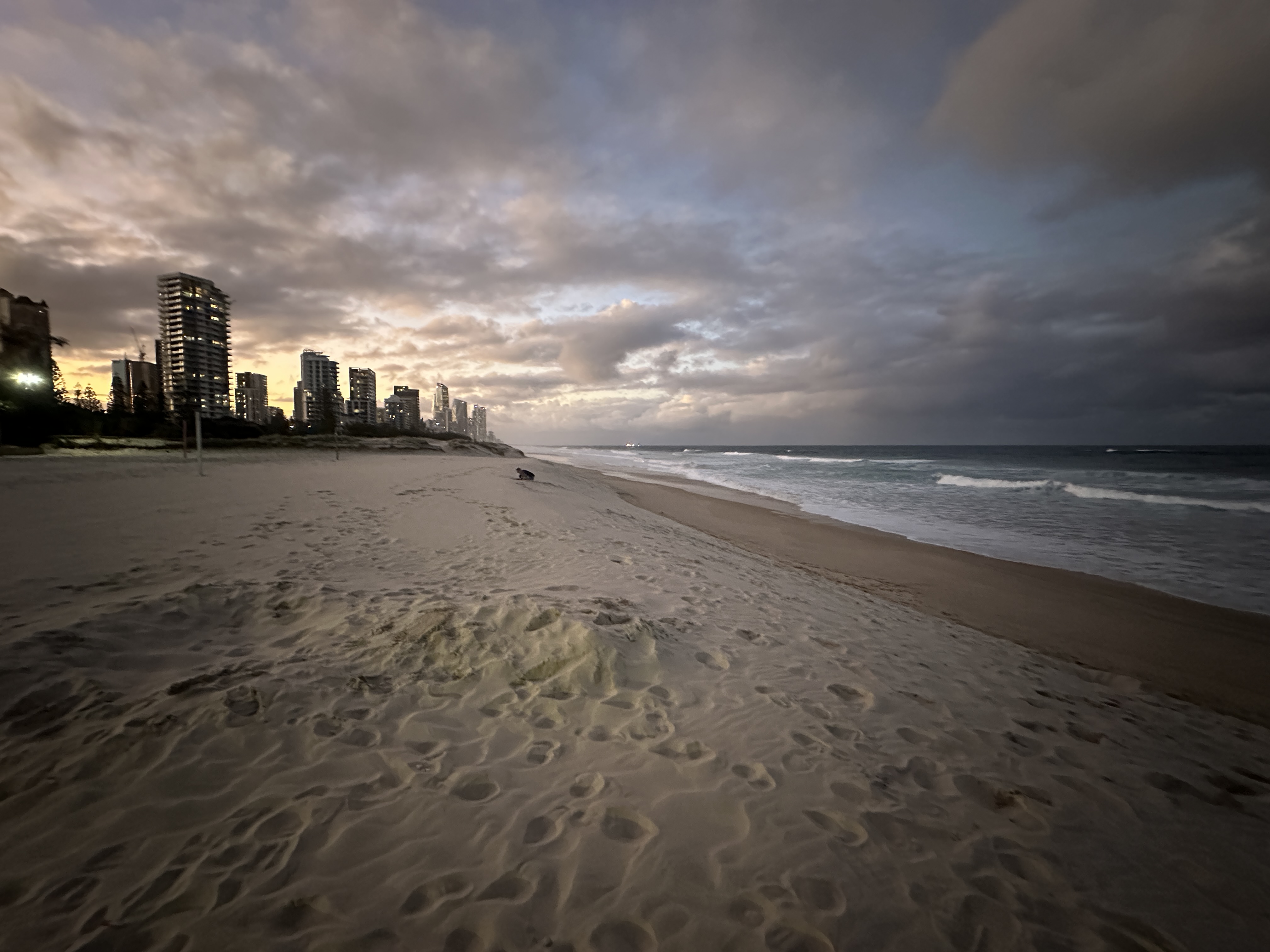
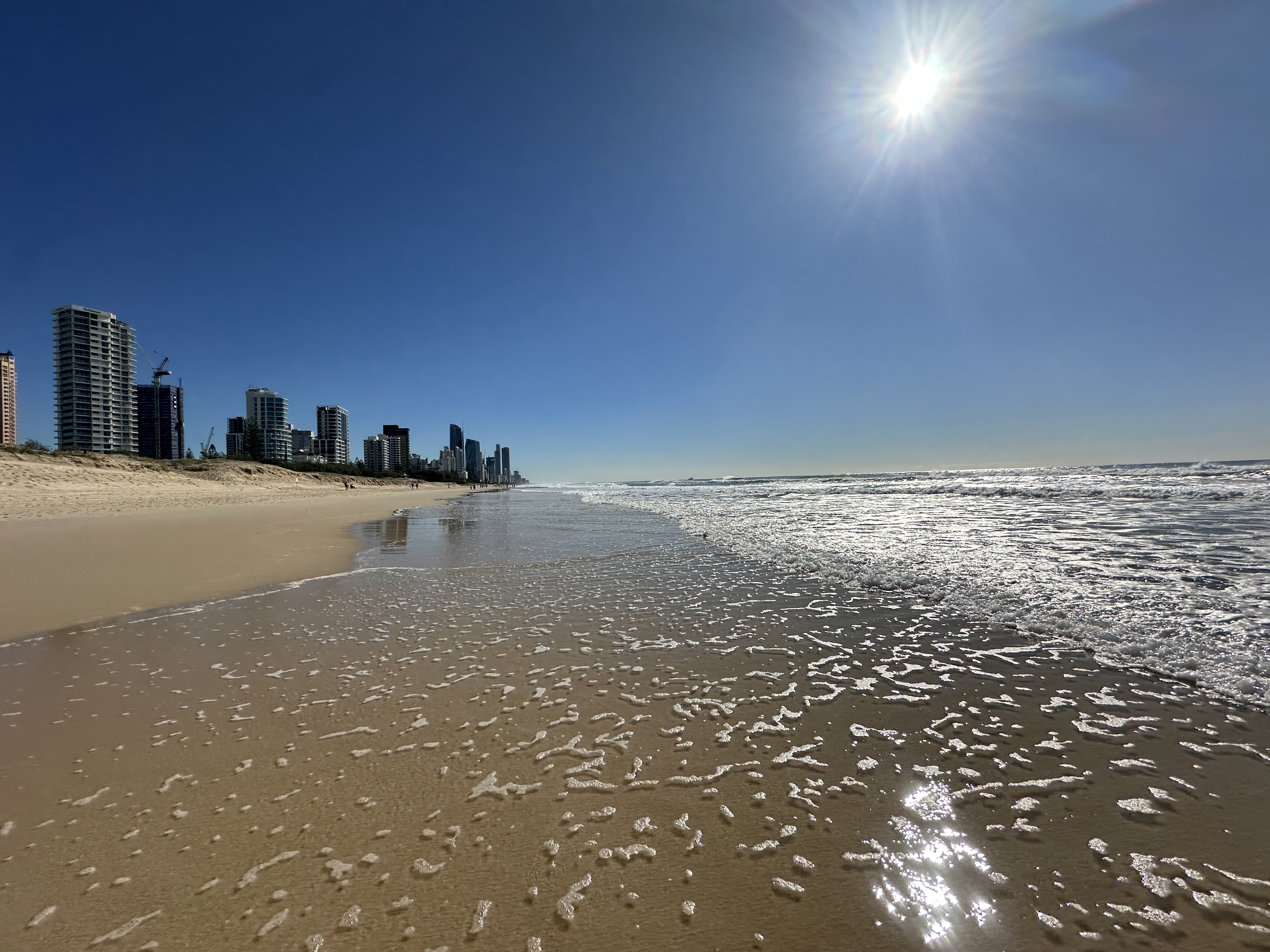
They were so grateful for the architectural clarity that they handed us the keys to a 4-bedroom penthouse on the Gold Coast for a week, completely comped, along with dinner tabs at a restaurant they owned down in Byron Bay.
The Dutch were still figuring out their shipping manifest, so we threw the bags back in the rental car and headed for the Gold Coast.
The Mildura Grind
After our week of comped penthouses on the Gold Coast and dinners in Byron Bay, the Dutch hardware finally landed. The holding pattern was over. We threw our bags in the rental car and drove back down to Mildura to finish the job.
This is where the actual work happens. The glamour of the Gold Coast drops away, and you're back in the dirt.
We moved into a basic Airbnb about 15 minutes from the university greenhouse and went strictly into execution mode. We configured the massive gantry system, wired the spectral cameras, locked in the hardware, and ran the physical integration tests inside the greenhouse. It was a grind—seven days a week, 10-plus hours a day for a few straight weeks to get the system dialed in and handed over perfectly.
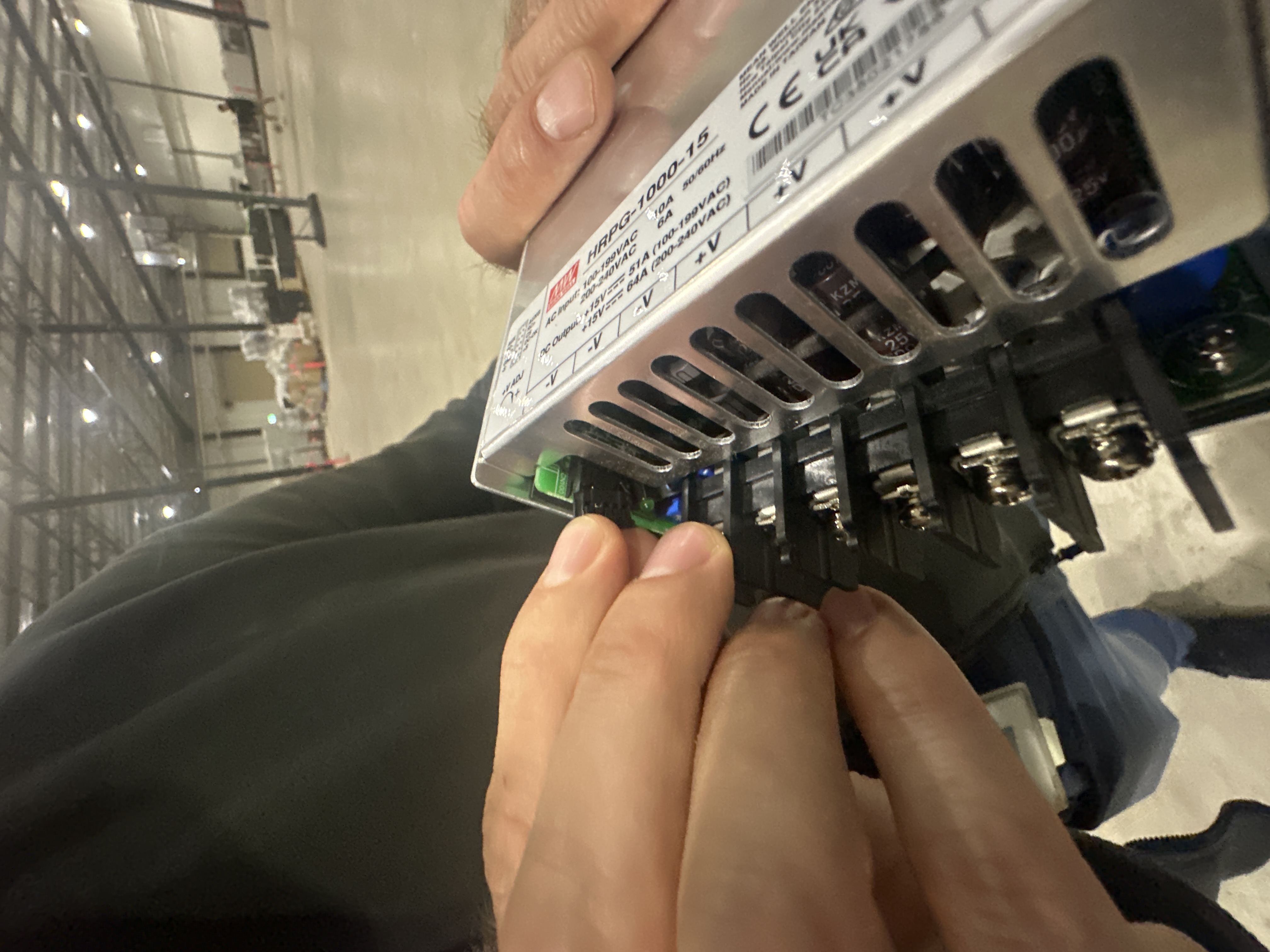
But when you are in the trenches with a good team, the grind is the best part.
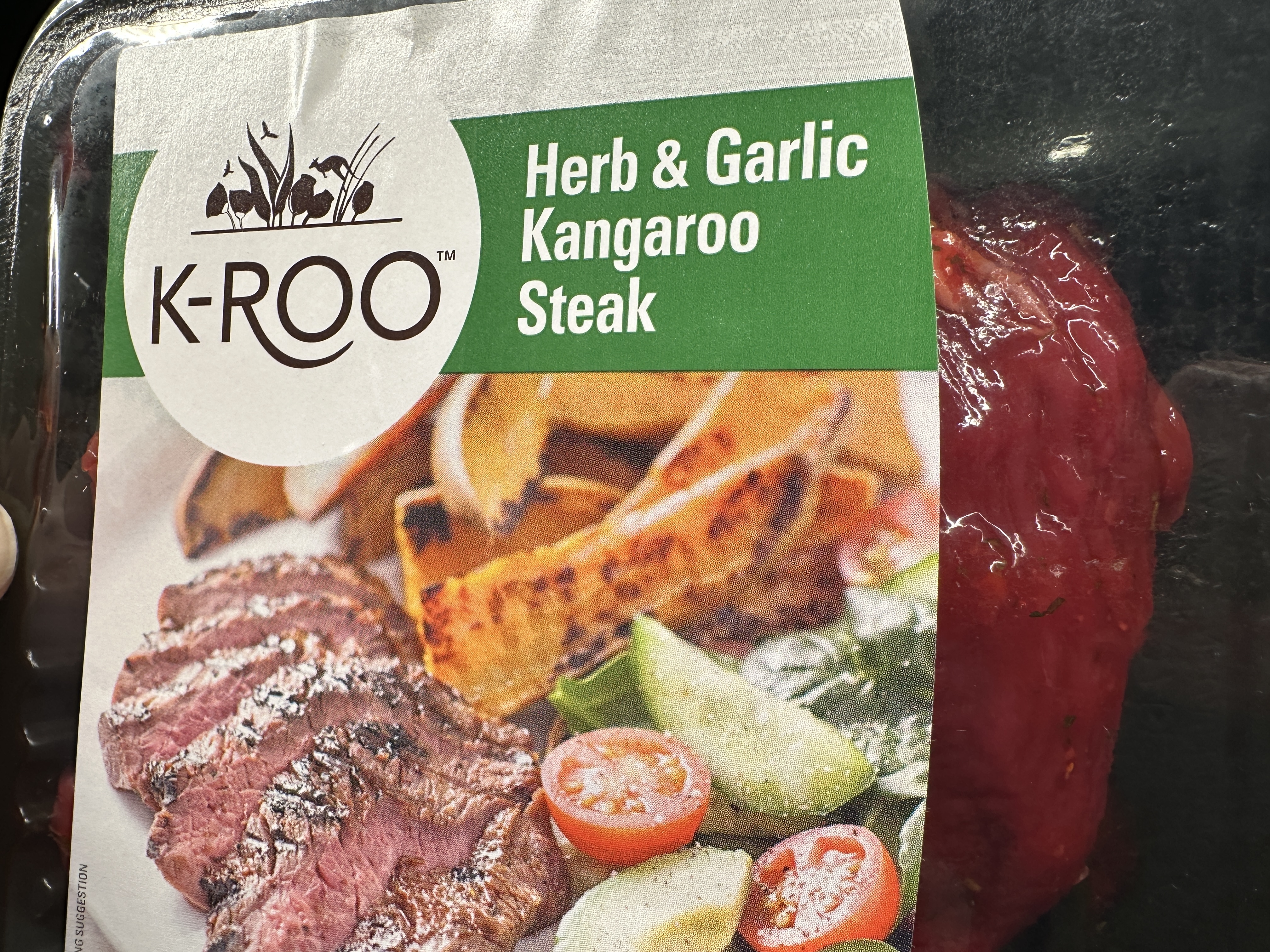
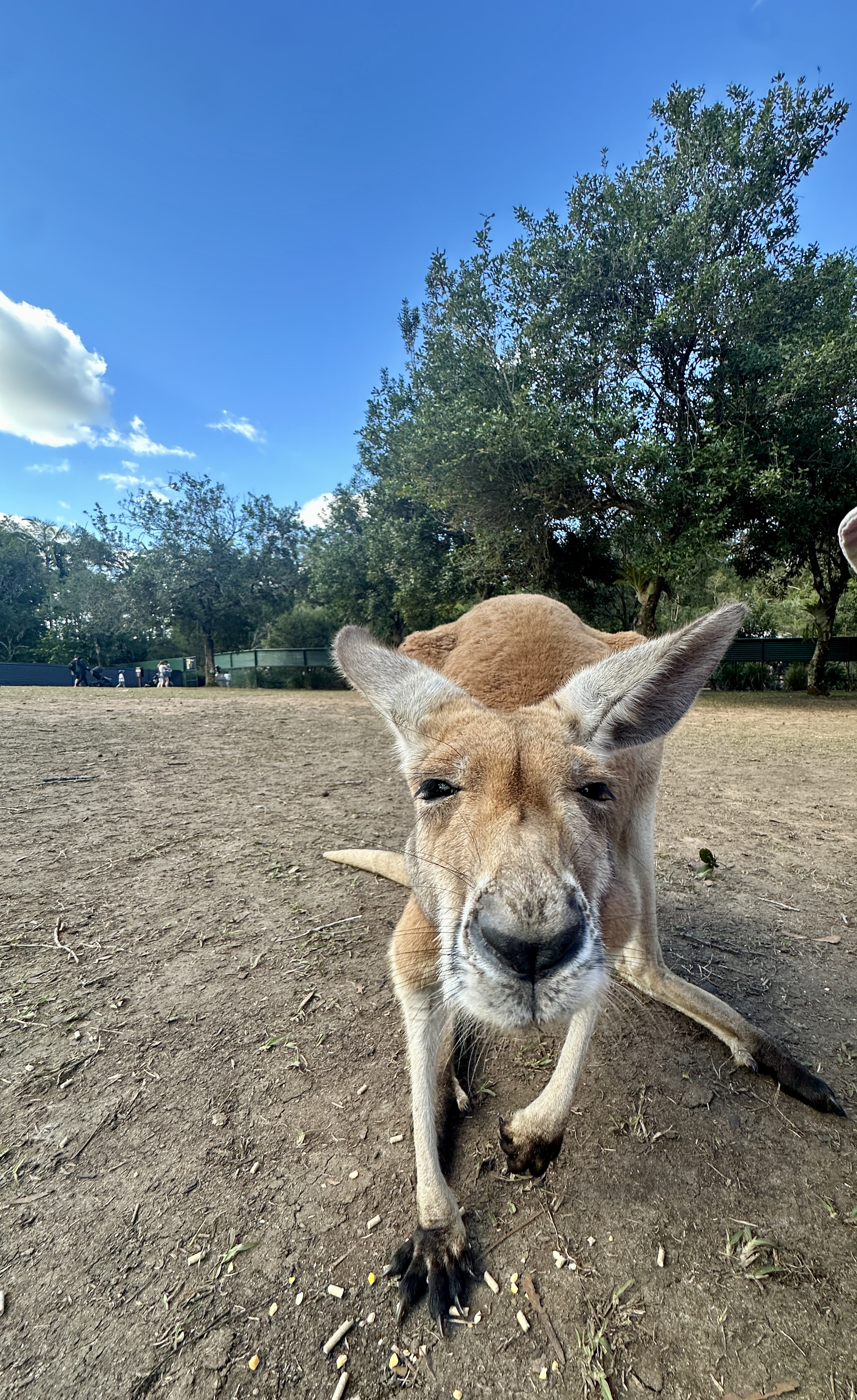
We became tight with the La Trobe PhD students and the local operators. When the shifts ended, they showed us the real Australia. Yes, we threw shrimp on the barbie. We went out scouting and chasing kangaroos. We saw firsthand how incredibly warm, generous, and unpretentious Australians actually are.
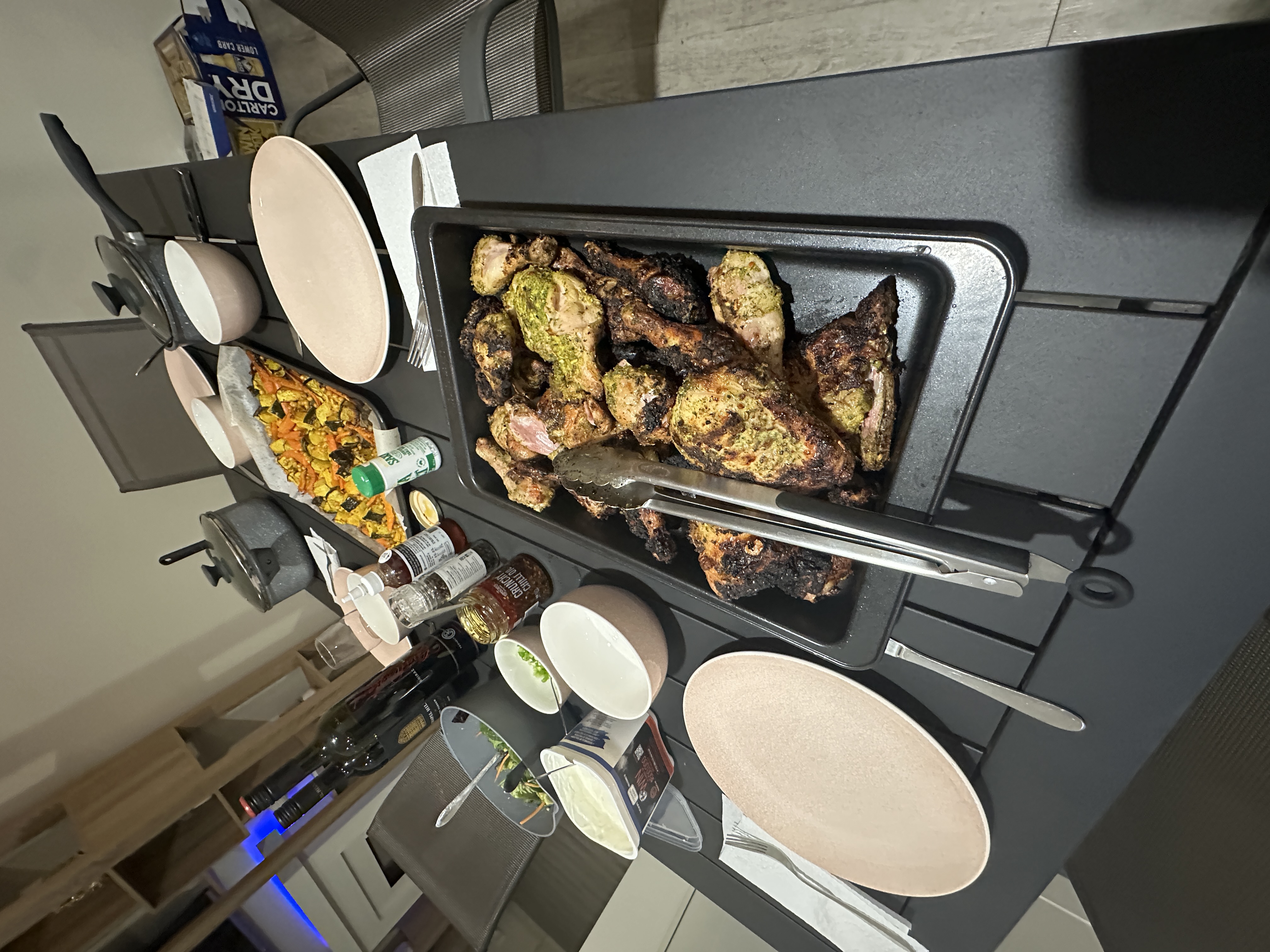
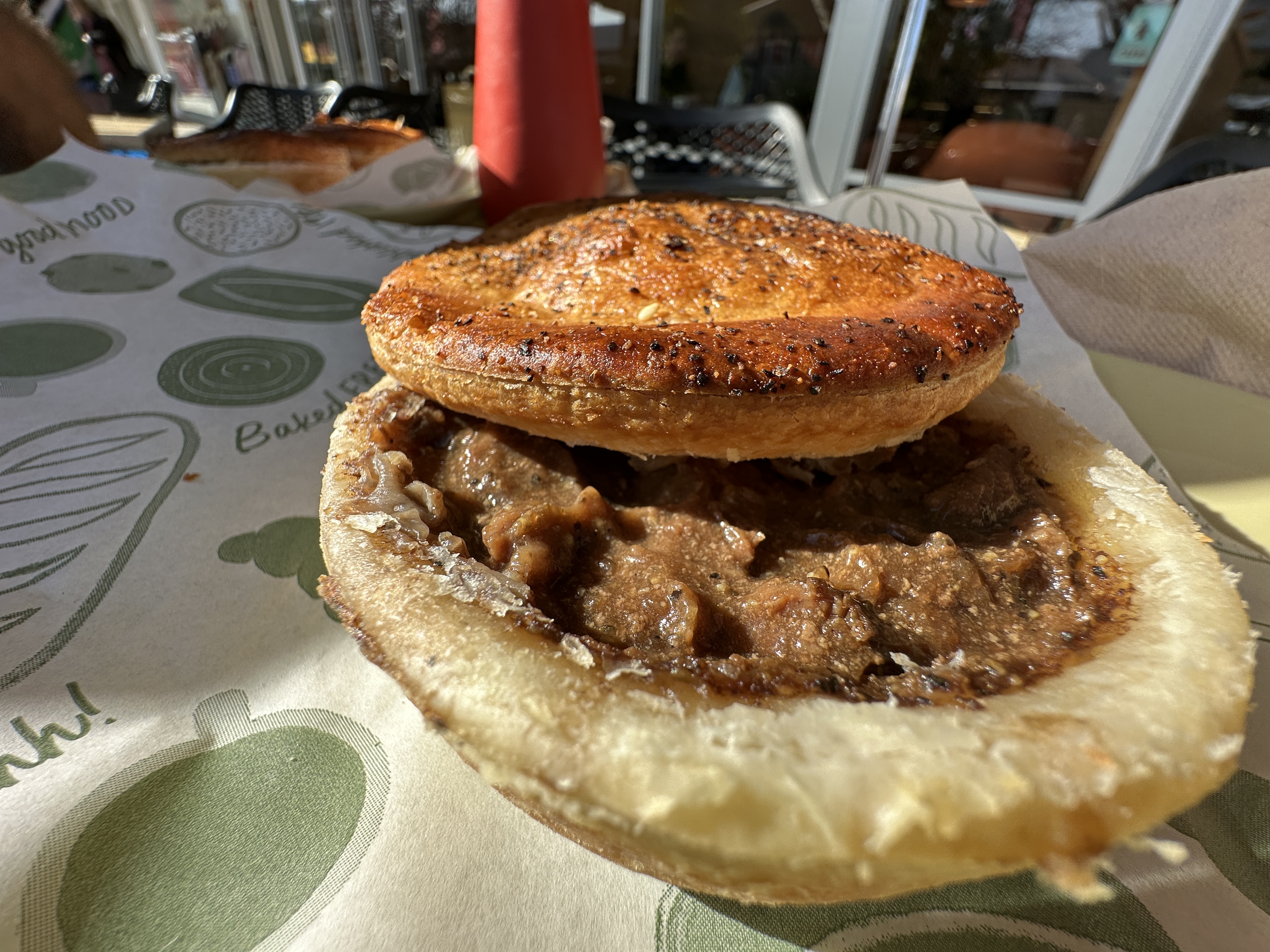
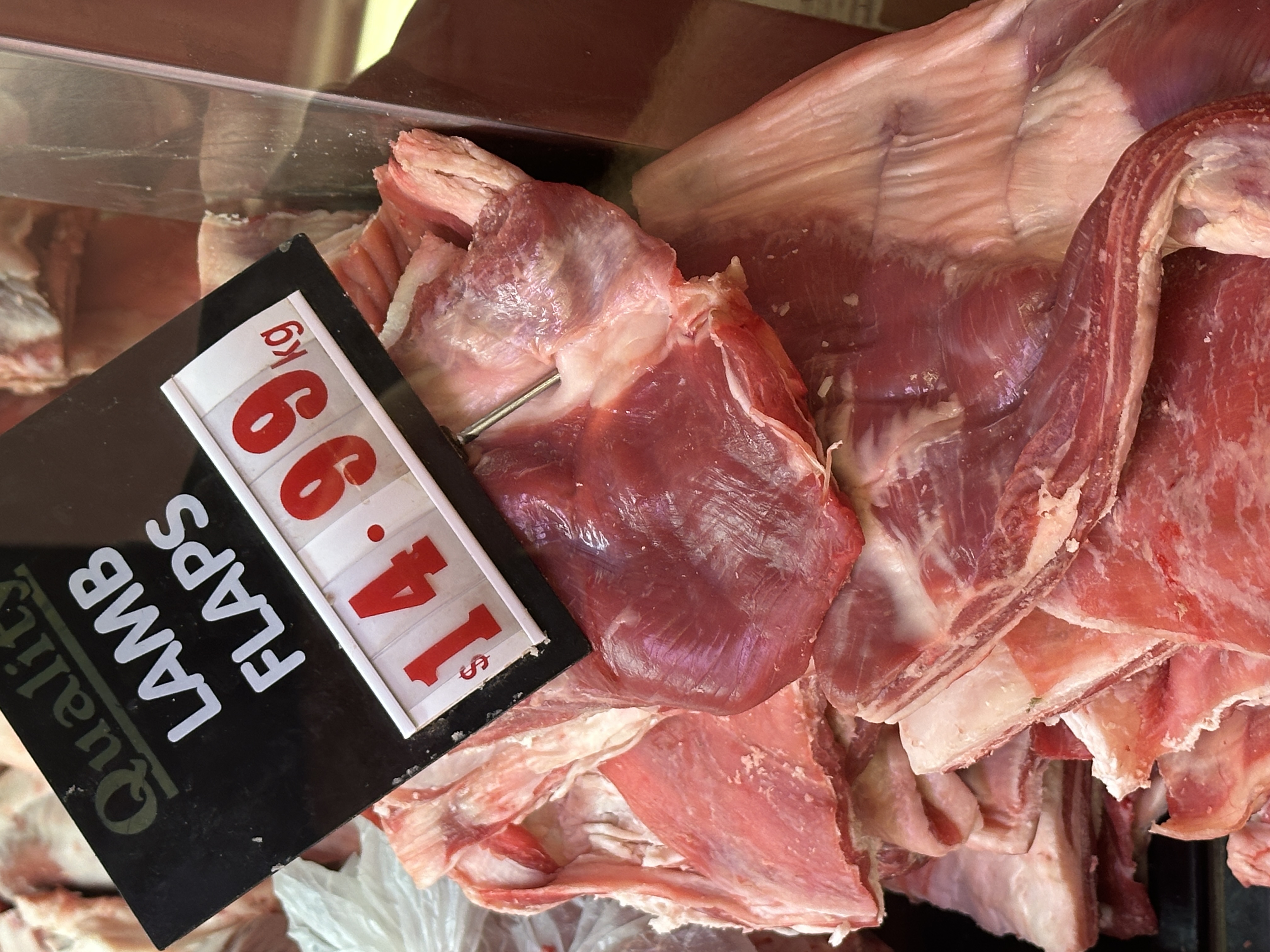
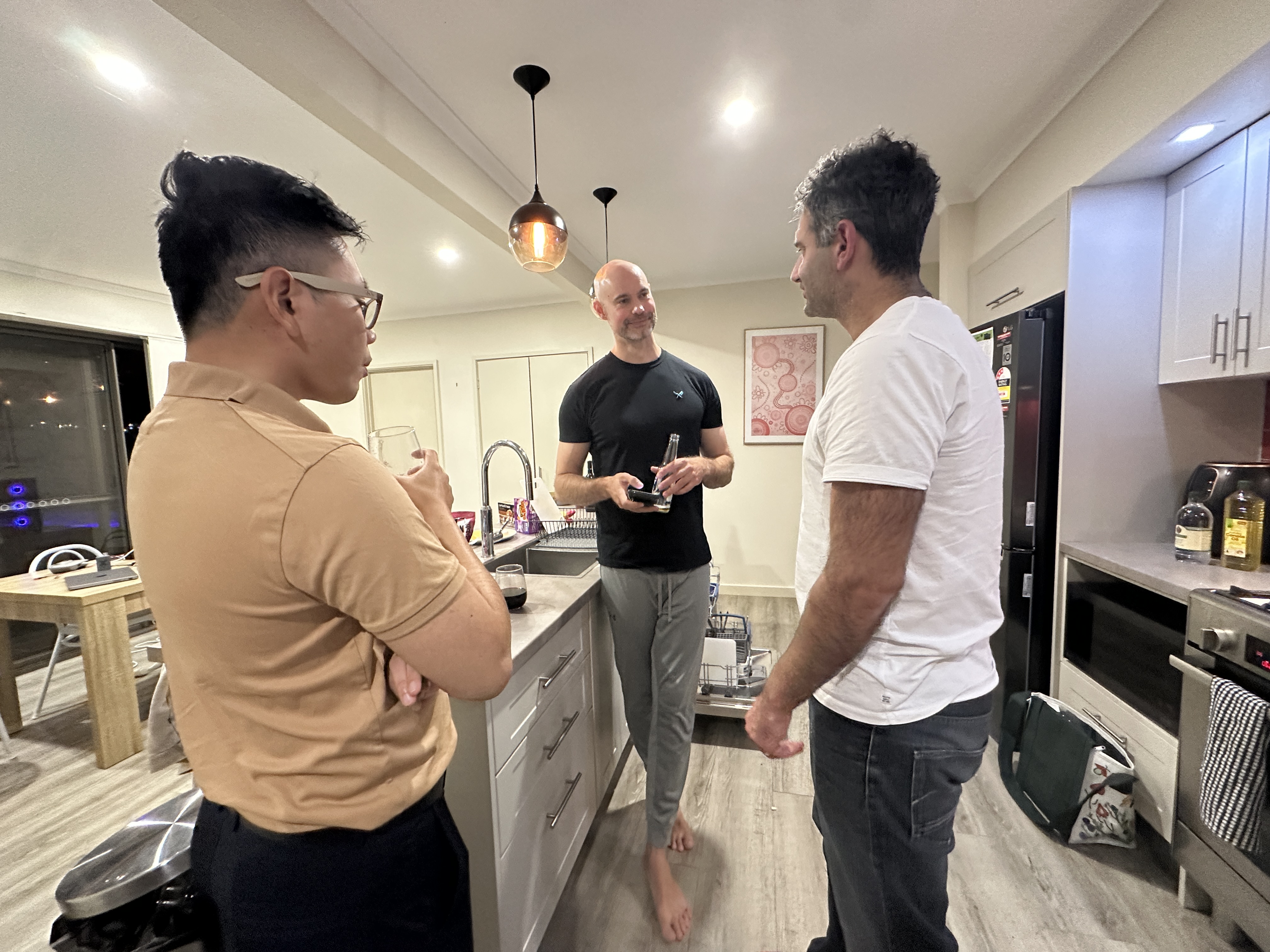
Let me tell you something about Australians: these dudes go hard. They work with total precision during the day, and they can drink you under the table at night without missing a beat the next morning.
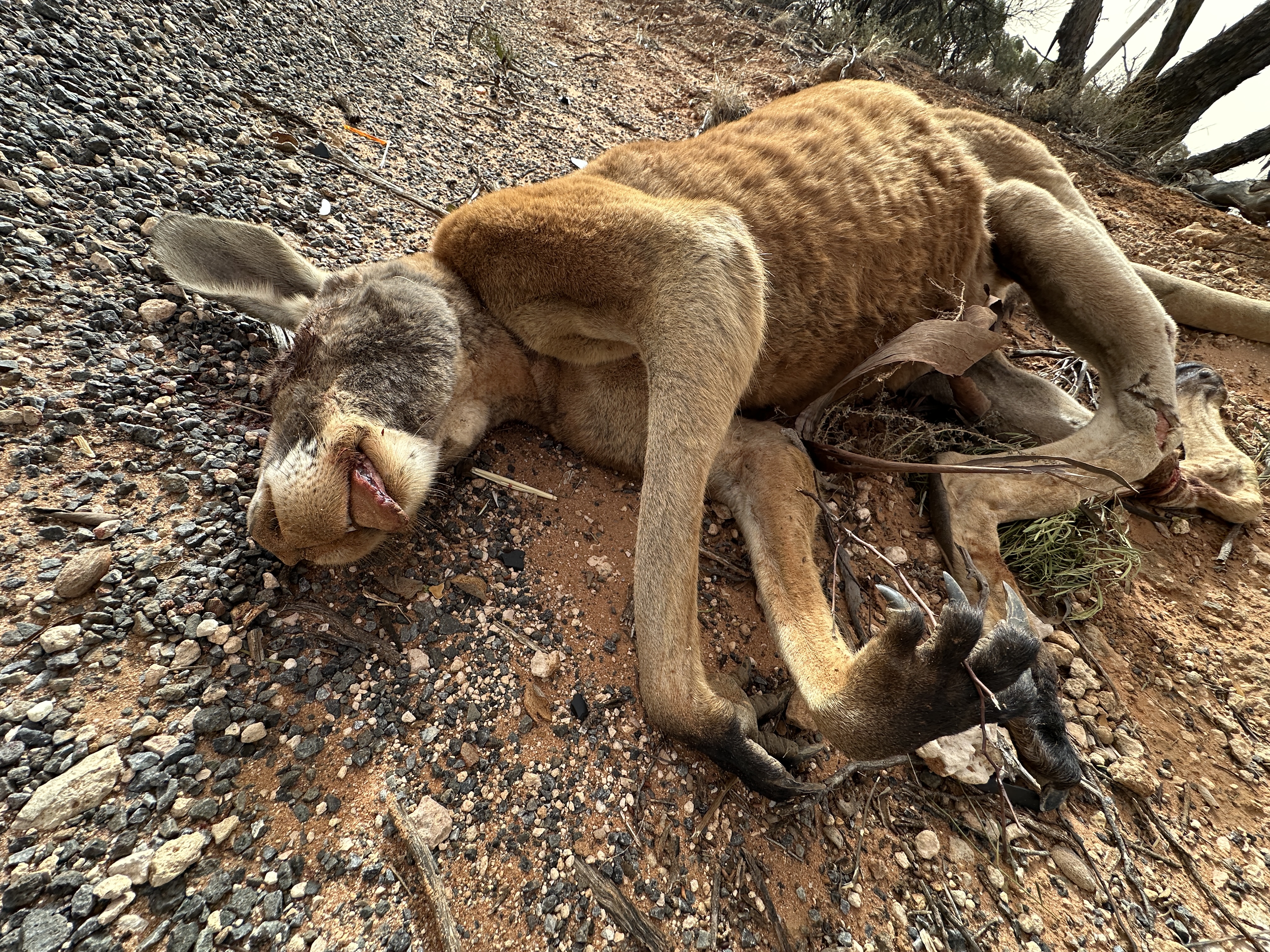
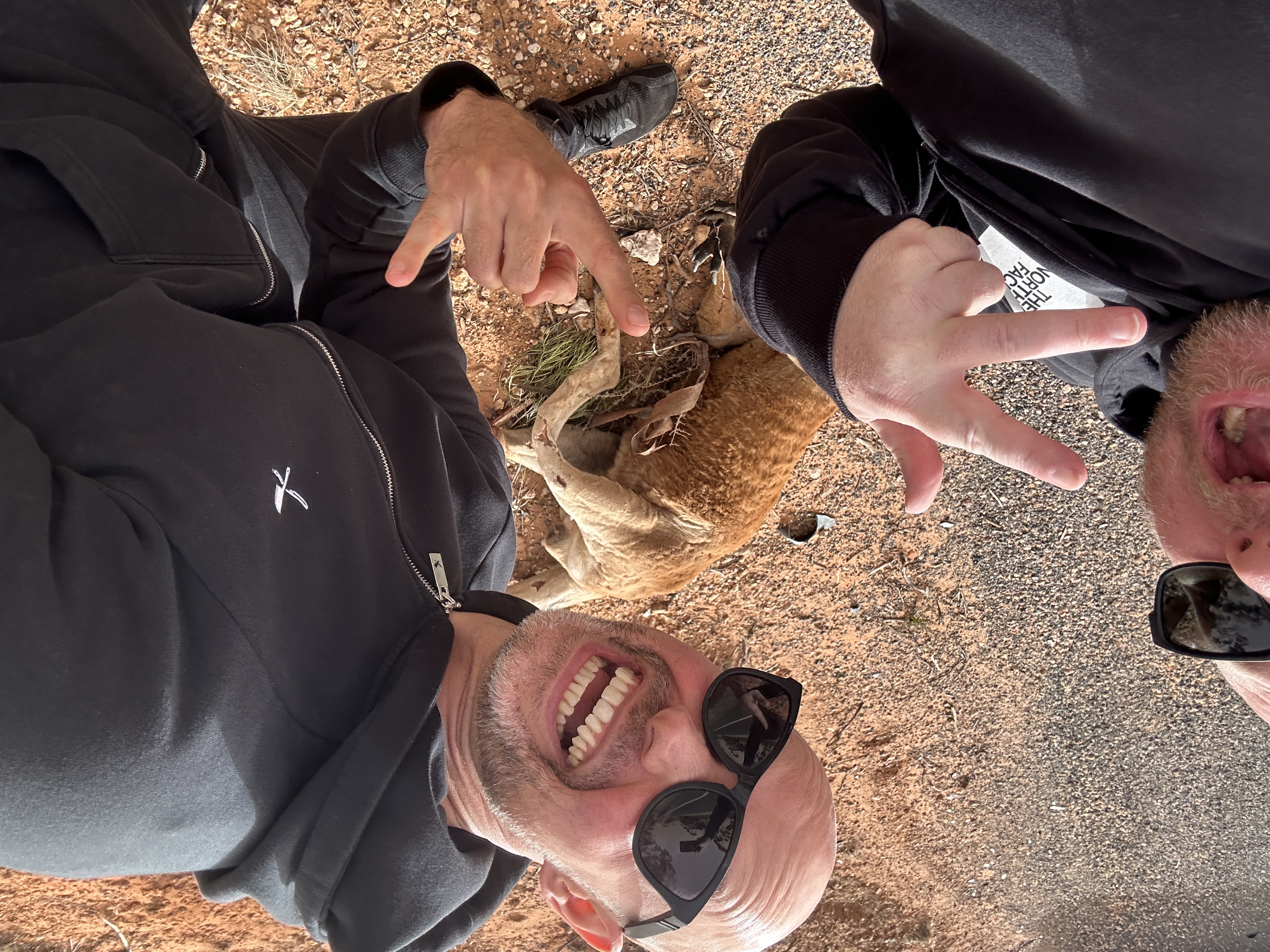
The Land Before Time
Eventually, the final integration tests passed. The system was running. The repos were transferred.
More importantly, the ink on the buyout was approved. The acquisition was final.
We had just burned the candle at both ends for weeks, and we had the exit capital secured. We didn't need to immediately rush back to the US or Germany. We looked at the map, decided to take a few weeks completely off, took the buyout money, and pointed the car north.
Australians have it figured out. They don’t need to fly to Bali or Hawaii to decompress. When an Aussie wants to check out, they build a tricked-out, apocalypse-ready 4x4 that their family can sleep in, and they drive to Cairns or K'gari for weeks at a time.
We rented a jacked-up 1990 Land Rover Defender with beefy mud tires, rolled it onto the ferry, and crossed over to K'gari (Fraser Island).
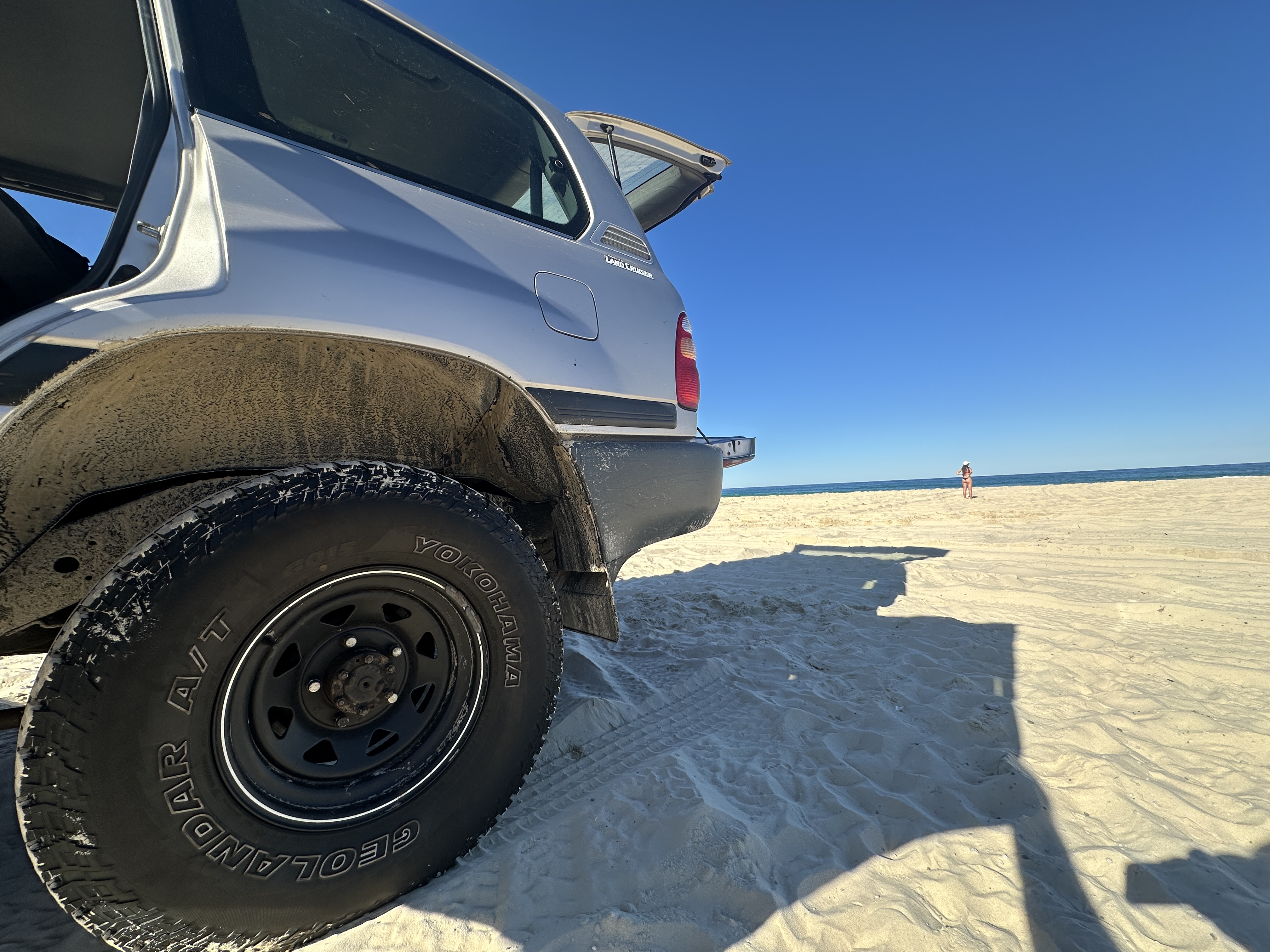
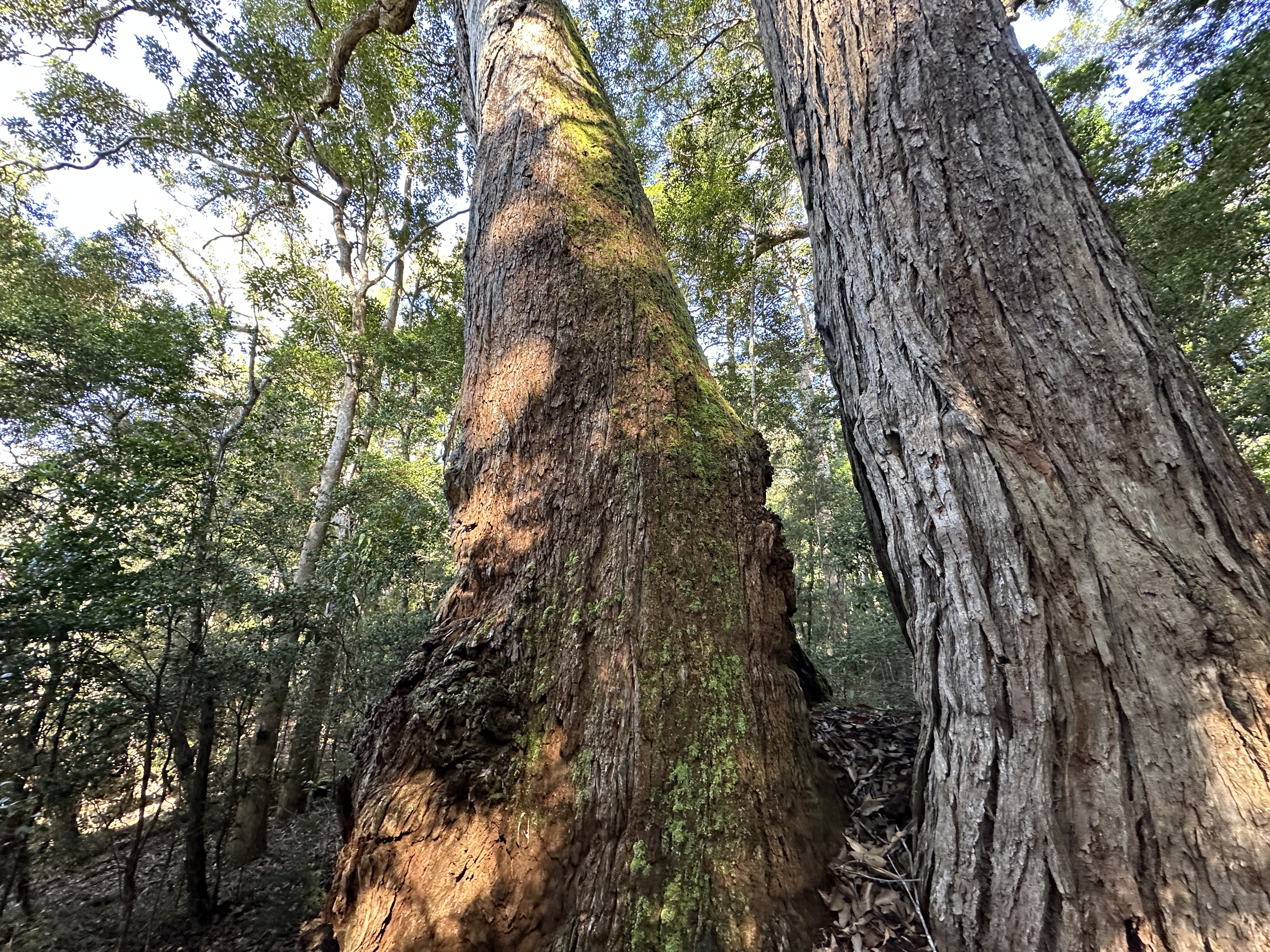
If you haven't been, K'gari is the largest sand island in the world. It’s essentially the land before time. There are no paved roads. There are no streetlights. There are no houses. It’s just ancient rainforest growing directly out of the sand, massive dunes, and 75 Mile Beach—a coastline so flat and expansive that it functions as a registered national highway.
And yes, you are driving 70mph down a beach highway surrounded by drunk, happy Australians doing the exact same thing.
For the next week, we basically fell off the map. We four-wheeled through thick Jurassic Park-style jungle tracks, got stuck in the mud, fished, and finally decompressed from the year-and-a-half sprint that was SpexAI.
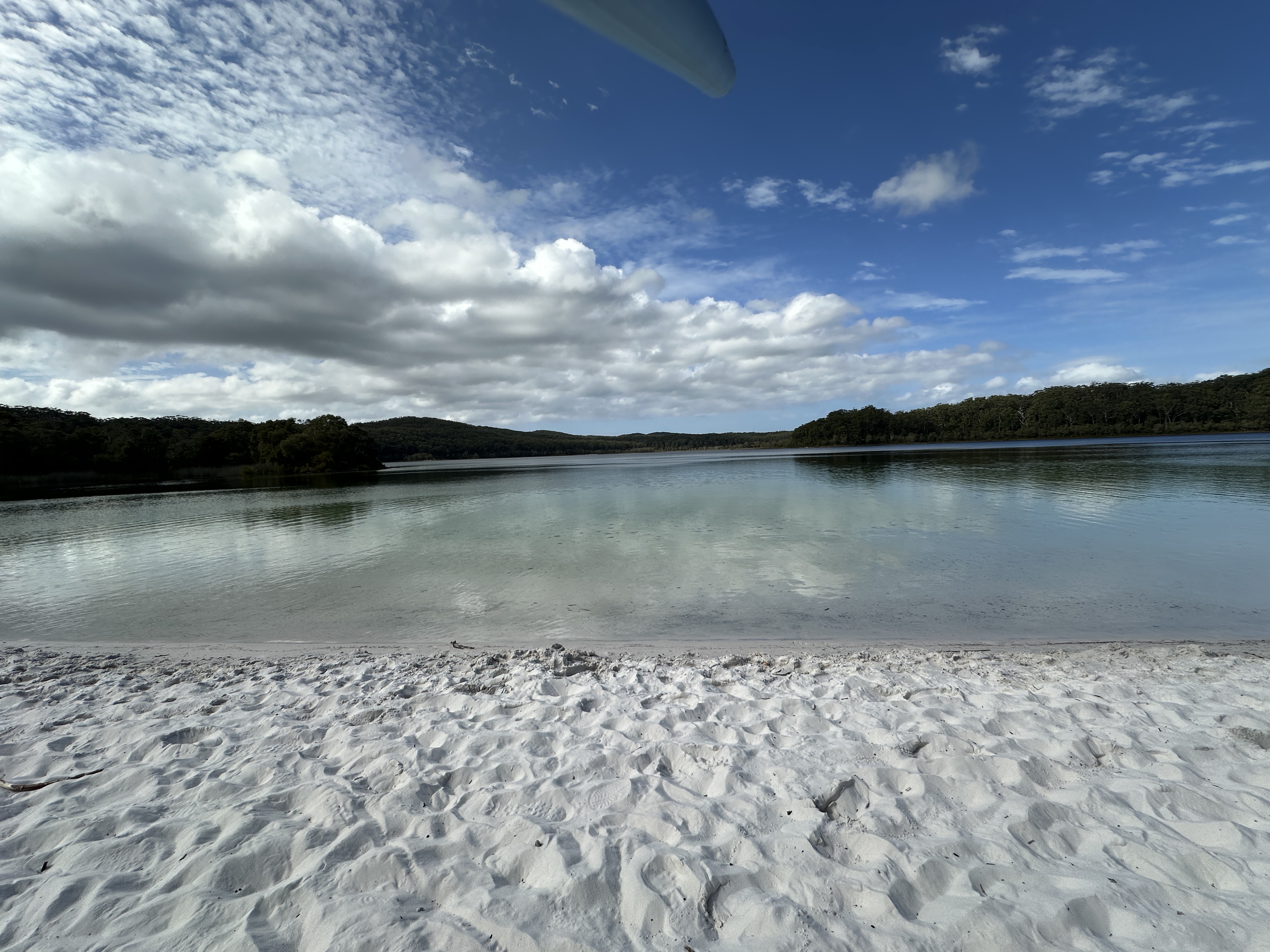
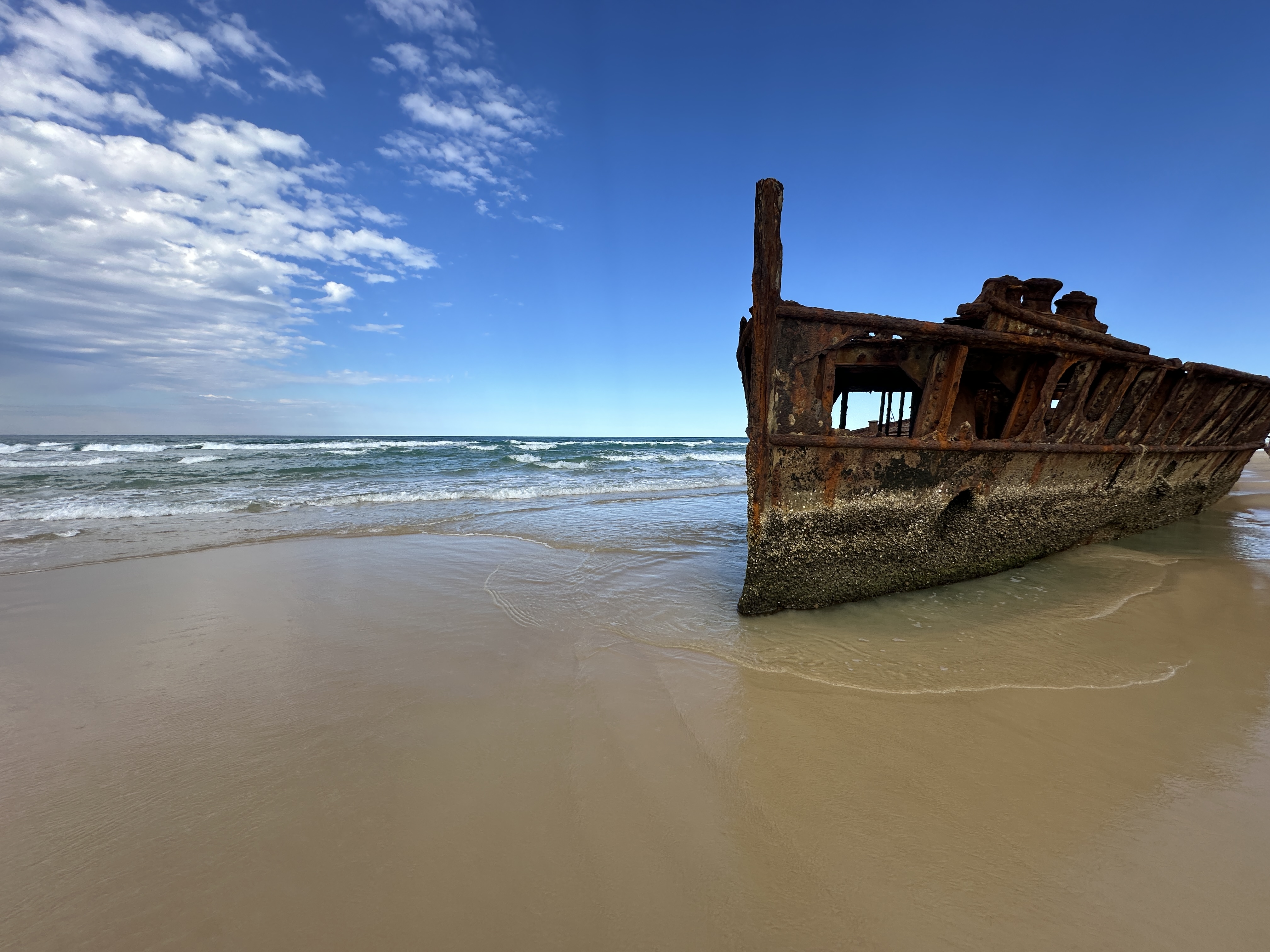
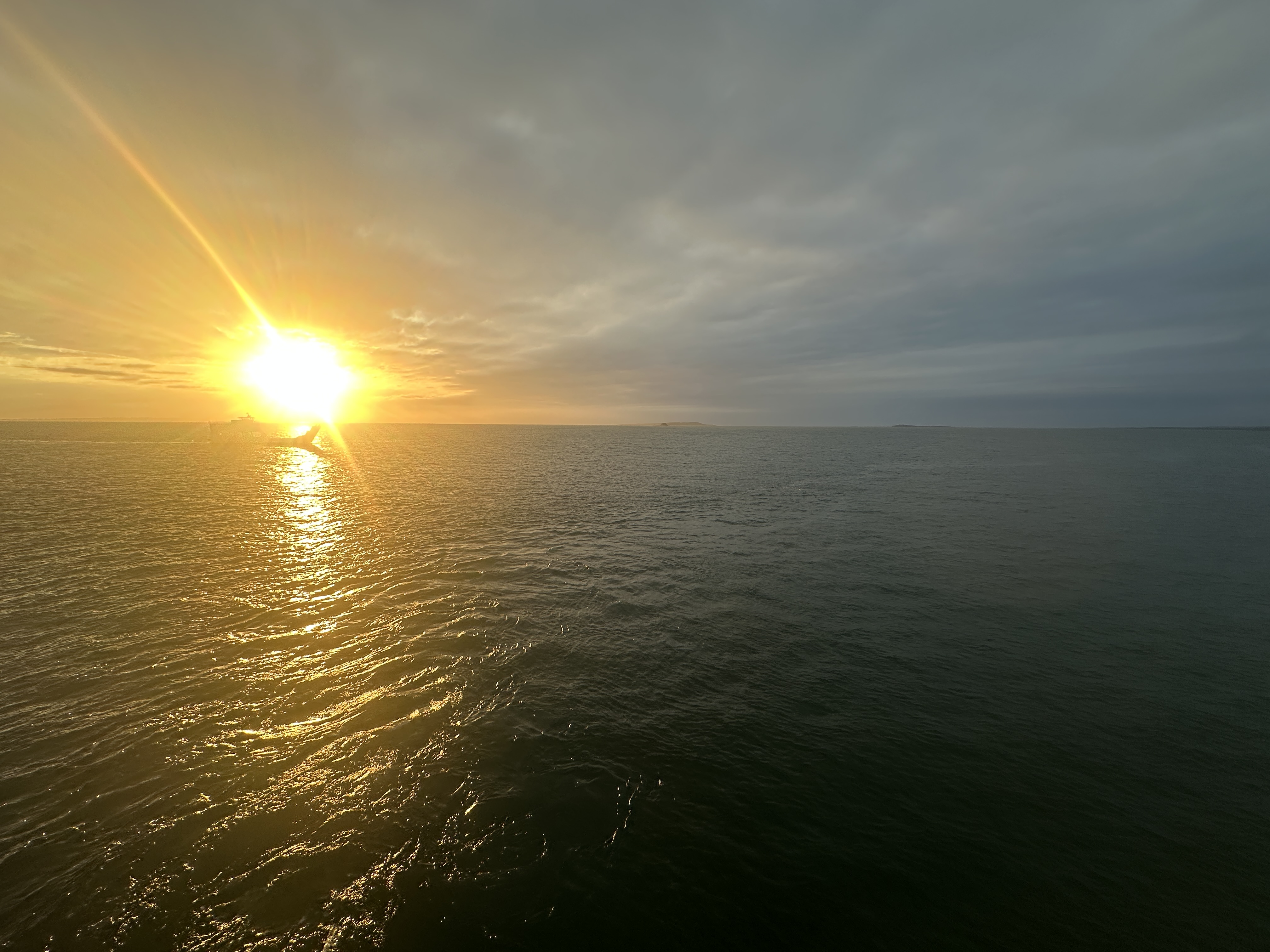
But you have to stay sharp, because the nature here is entirely unforgiving. You do not swim in the ocean unless you want to meet the sharks and rip currents. You swim in the perched freshwater lakes inland.
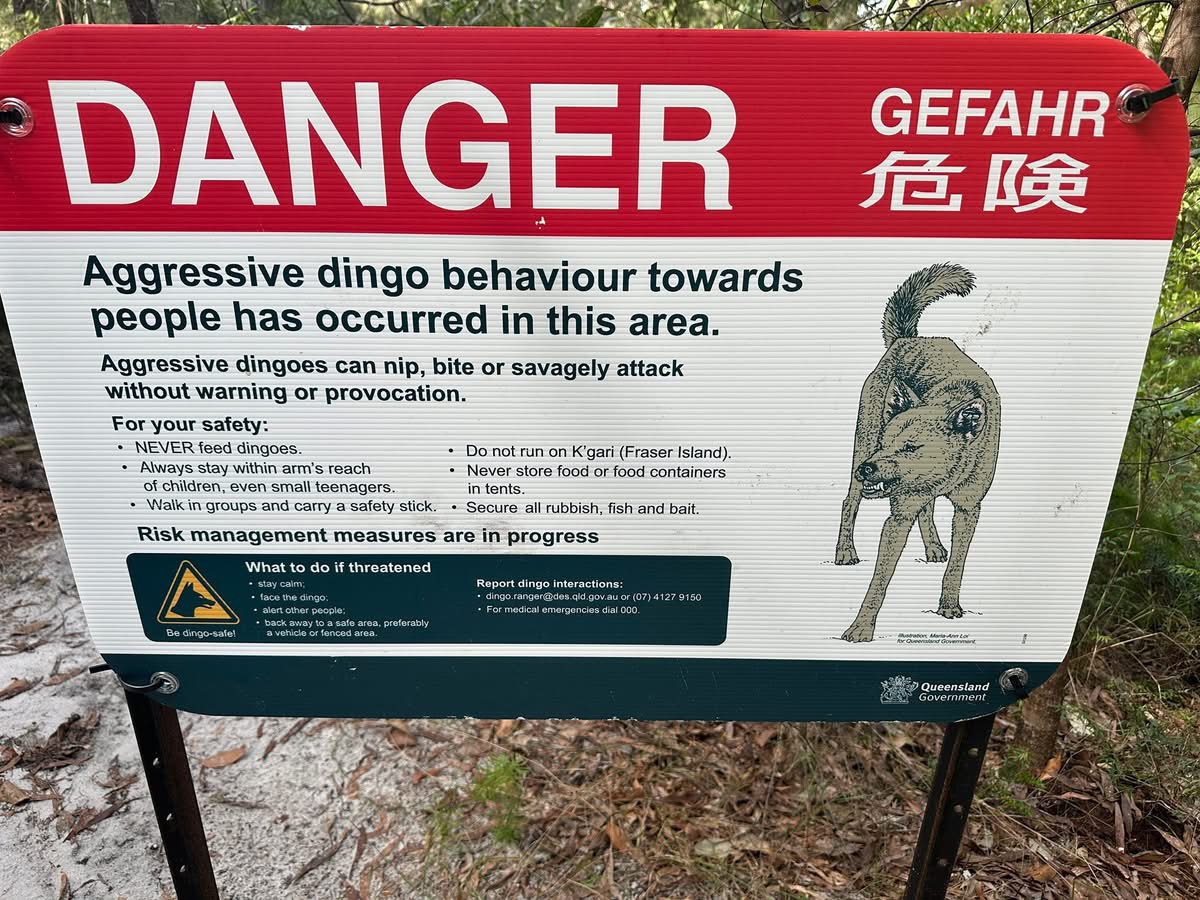
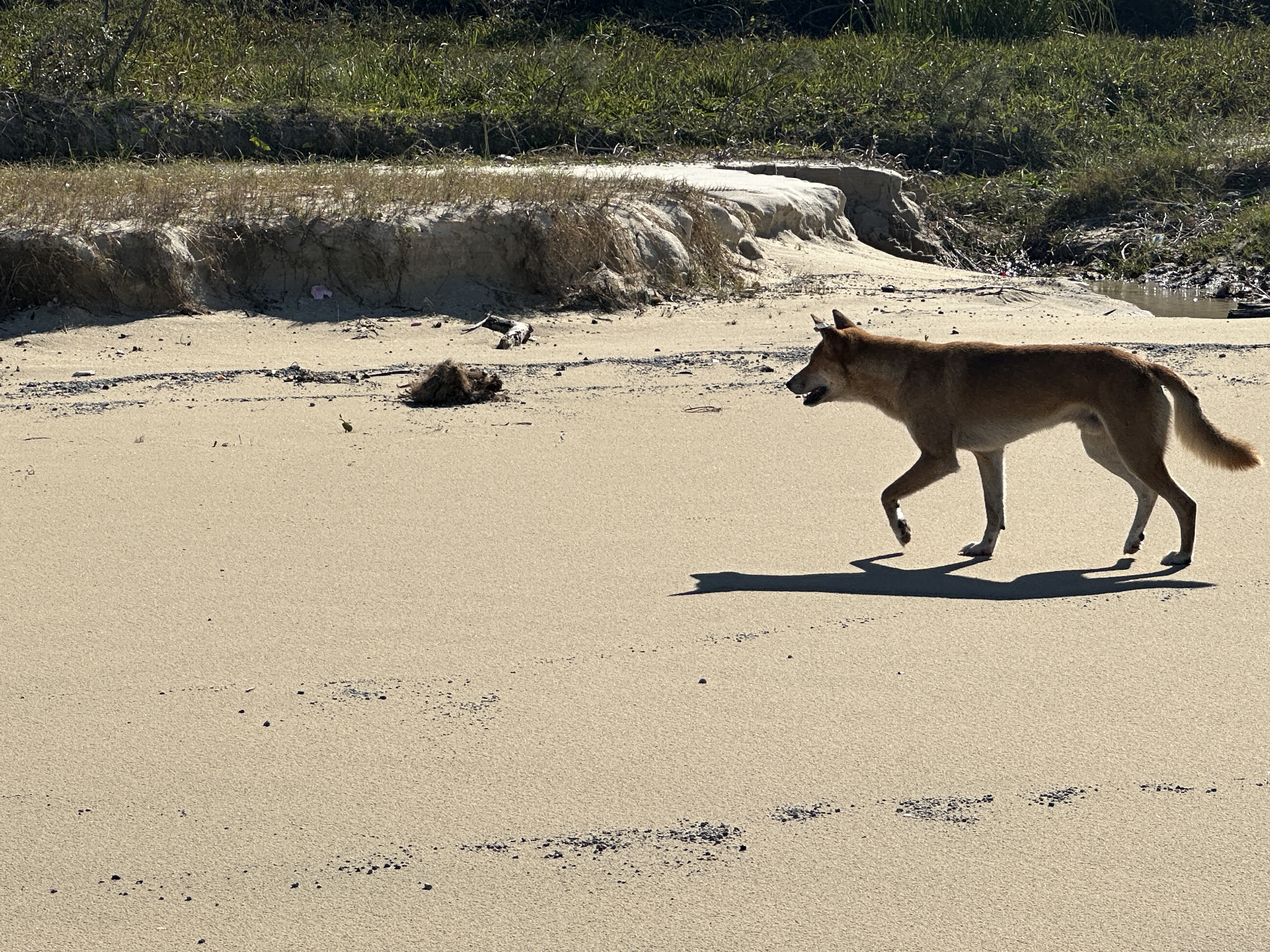
And the wildlife on the beach is no joke. K'gari is home to the purest strain of wild dingoes left in Australia. They are apex predators, they hunt in packs, and yes—the signs warning you to keep your kids within arm's reach are everywhere. Dingoes really do eatin' babies if you aren't paying attention.
The Drop into Sydney
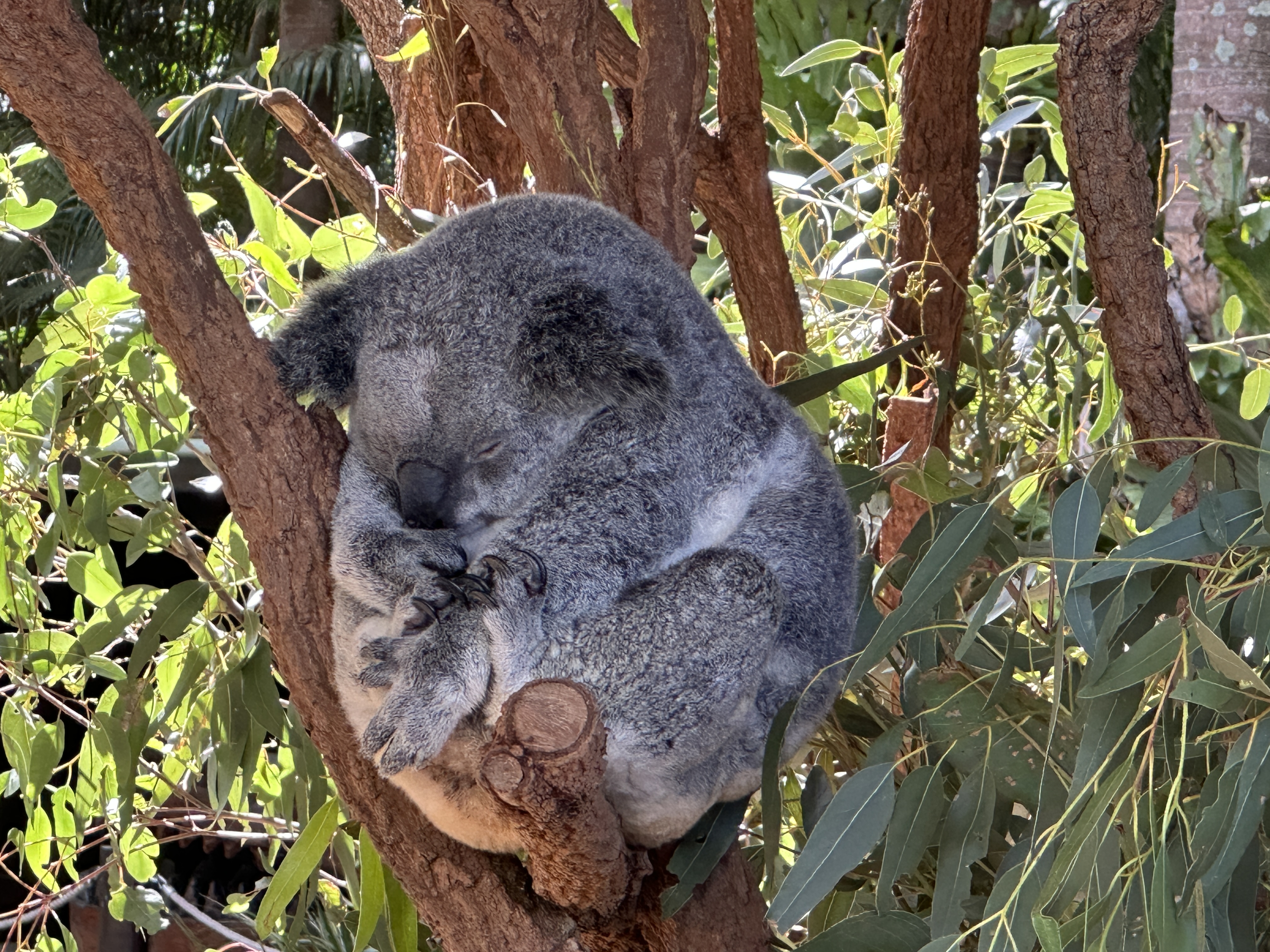
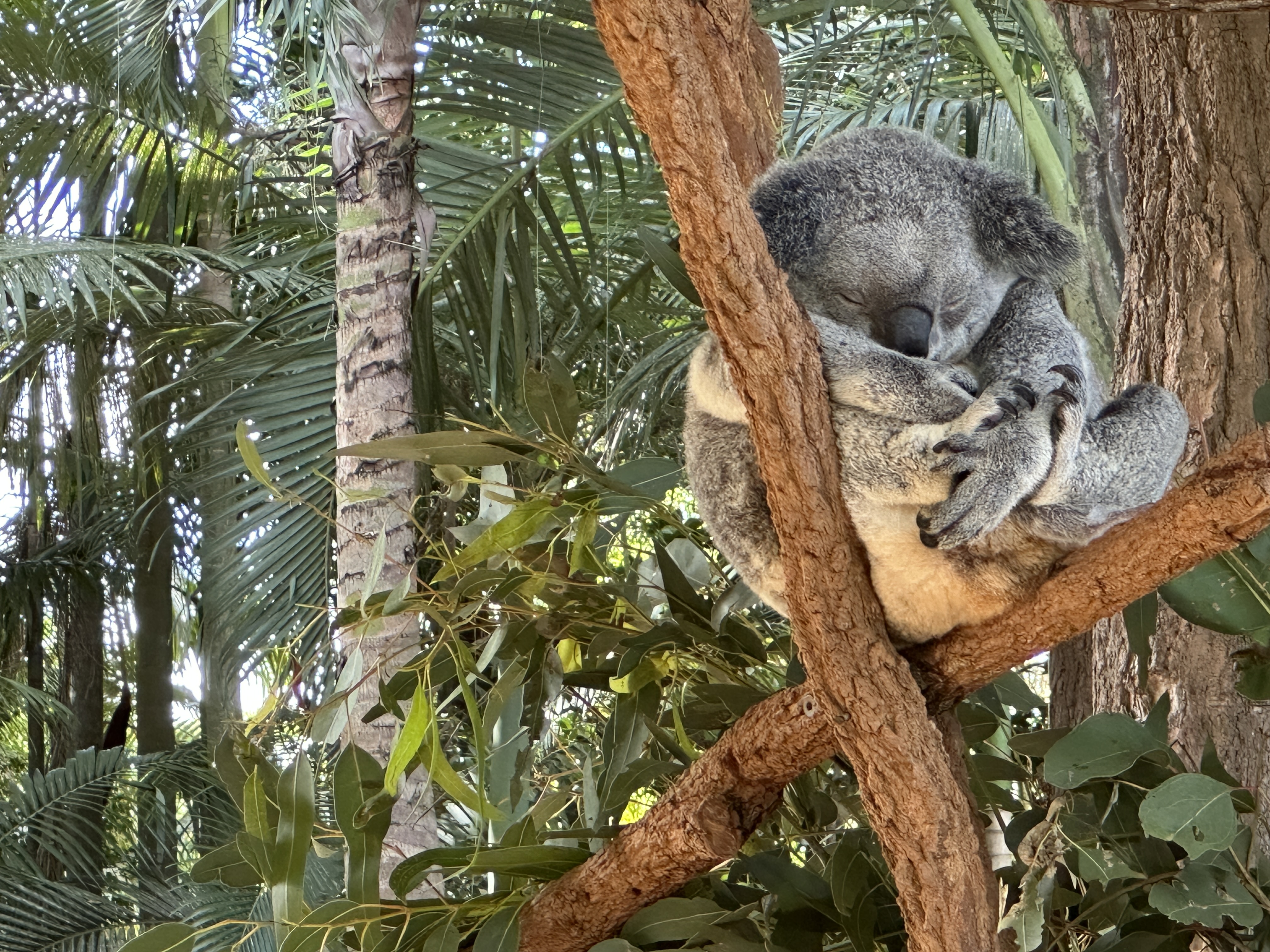
Eventually, you have to return to civilization. We drove south down the coast, hit Steve Irwin’s Australia Zoo on the way, and finally dropped into Sydney to fly out.
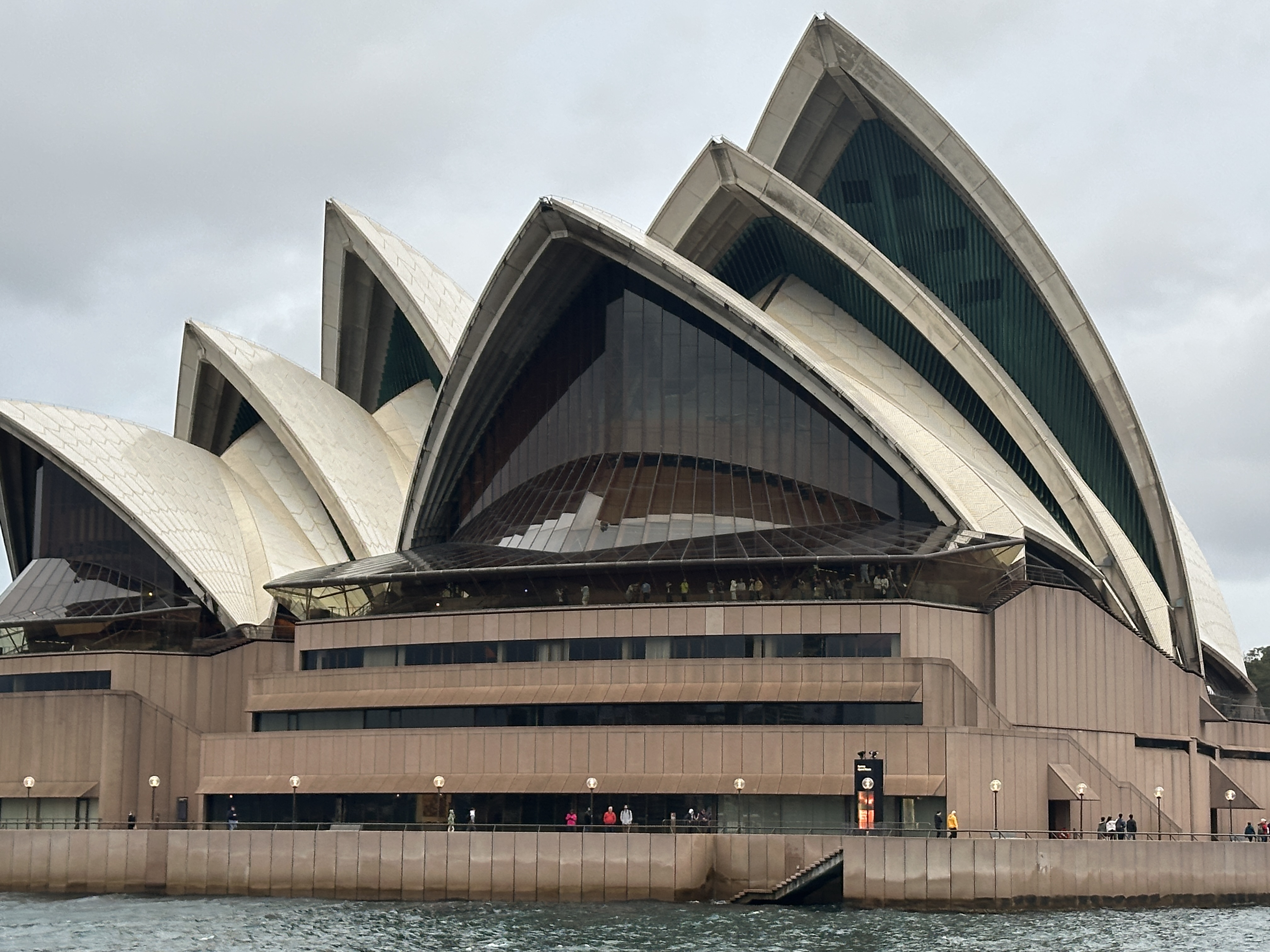
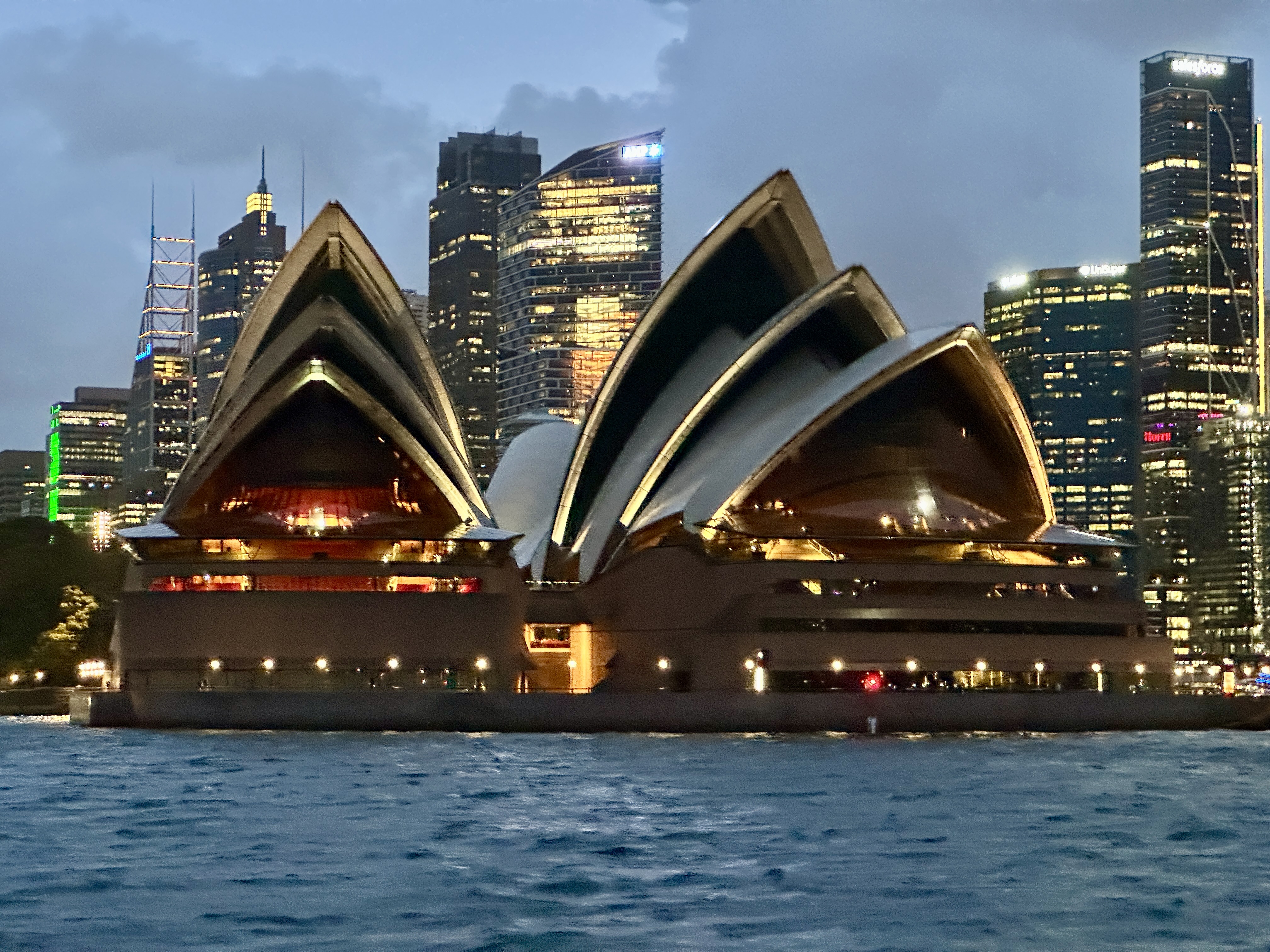
Sydney is a beautifully planned city. The trams and public transportation are world-class, the infrastructure is pristine, and yes, we did the obligatory lap around the Opera House.


But the local Aussies we met in the dirt up north were right. They all say the exact same thing:
“It’s not Australia. It’s Sydney.”
The city is incredibly posh and undeniably snobby. It operates on the same frequency as Manhattan. It’s an amazing place to exist if you own a sailboat in the harbor and have millions in disposable income. But for 90% of the world, you don’t actually get to enjoy it—you just get to look at the people who do. It lacks the raw, unpretentious warmth of the Queensland coast and the absolute utility of Melbourne. It’s a showroom.
Great to visit. Not where an operator wants to build.
The Pivot to Pho
The corporate handoff was done. The 4x4 sand tracks were cleared. The buyout ink was entirely dry.
It was time for the SpexAI team to pack up and fly back to Germany. I spent our last two days in Sydney saying my goodbyes to the crew that had become my family over the last year and a half in the trenches. They headed for the airport to return to Europe.
I looked at the map. I was already halfway across the planet, sitting on the edge of Southeast Asia.
Back in Mildura, a few of the La Trobe PhD students who took over our system were originally from Vietnam. During those 10-hour grinds in the greenhouse, they had been selling me on the absolute chaos, energy, and tech scene of Ho Chi Minh City.
I had the exit capital. I had my laptop. I had zero interest in flying back to the States just to sit still.
So I didn't. I booked a one-way ticket to HCMC, walked into Sydney Kingsford Smith Airport, and boarded a flight to the land of Pho.
By the Numbers (The Corporate Handoff Receipts)
Here is the reality of the math when you are moving up the Australian coast on an M&A sprint:
The Bridge Math: If the bridge round costs more in equity dilution than the buyout nets you in clean cash, you take the buyout. Never fall in love with the cap table.
The Holding Pattern: When hardware delays hit ($5,000+ to fly the team home and back), extending a rental car and an Airbnb for a few weeks on the Gold Coast is literally the cheaper operational move.
The K'gari 4x4 Rental: ~$200 - $300 USD a day for a fully kitted, off-road capable rig. You cannot take a standard rental car to the island; the sand will swallow it in ten minutes.
The Give First ROI: Free architectural consulting for an old-money Brisbane family directly converted into a week of free penthouses and comped dinners. Generosity is the best networking strategy on the planet.
Patrick
Two years of working remotely and living in the places I write about — long enough to have a regular coffee shop and an opinion about the neighbourhoods.
More from Australian Coastal →