
Floripa: The Magic Island, Meat, and the Expat Bubble
Pre-invasion Tulum meets an Italian wine commercial. An unvarnished look at Floripa’s startup scene, the grocery paradox, and the wall you hit if you don't speak Portuguese.
I needed a place to decompress. After the heavy reset in Colorado, I looked at the map, ran the timezone math, and booked a flight down to South America.
Destination: Florianópolis, Brazil. Specifically, Novo Campeche.
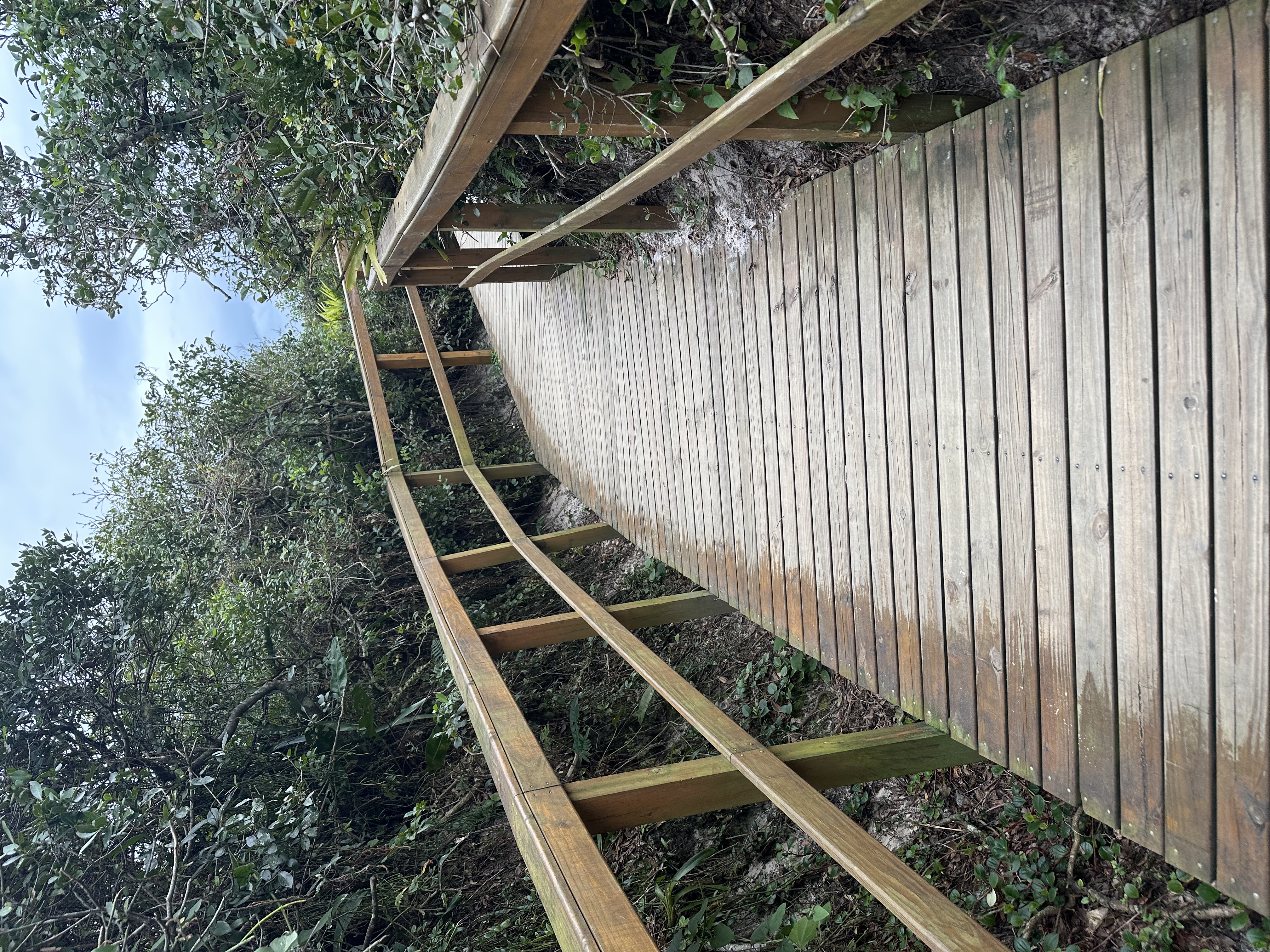
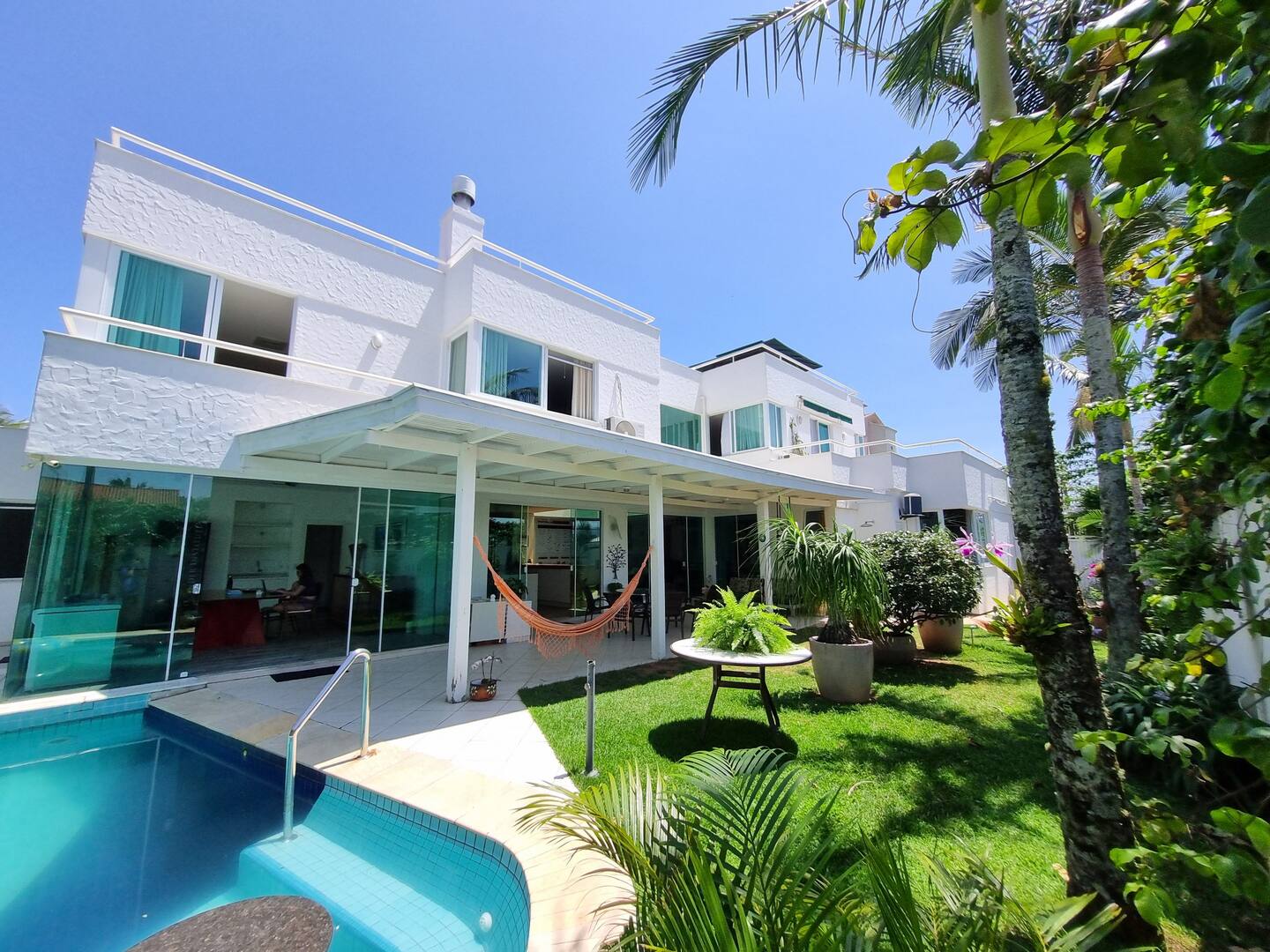
Floripa; or "The Magic Island," as the locals brand it, is entirely different from the rest of Brazil. It’s an island strapped to the southern coast, and it has a reputation as a safe, high-quality-of-life haven. I rented a modern, two-story townhouse about a block from some killer surfing beaches.
I stayed for a month. It’s a great place to drop anchor and catch your breath, but the reality of the island is deeply layered. It’s a weird collision of spiritual hippie culture, European LARPing, and an insulated expat bubble.
Here is the unvarnished field report.
The Vibe: Pre-Invasion Tulum Meets Italy
Floripa feels exactly like Tulum in the mid-2010s, right before the Brooklyn hipsters and the techno festivals completely flooded it.
The baseline culture here is heavy on the spiritual. You have people walking around drinking mate, carrying yoga mats, and talking about energy. The island actually has a massive local obsession with Buddhism, mysticism, and straight-up aliens. It’s a beautifully weird, laid-back surf culture.
But there is a massive caveat. Because of its location in southern Brazil (closer to Argentina and Paraguay), it desperately wants to feel European. Italian, to be exact. The people dress incredibly well. Wine, cured meats, and cheeses are the cultural currency. You have a bunch of yoga-practicing, surf-chasing hippies who also want to live like they are on the Amalfi Coast.
The people themselves? Incredibly kind and genuinely happy. And it is arguably the safest place in Brazil. You don't have that heavy, look-over-your-shoulder tension you get in Rio or São Paulo.
The Math and The Meat
From an operator's perspective, the infrastructure is solid. The power grid held up, and the internet speeds were perfectly fine for running US hours.
The cost of living is the real hook. I paid $1,200 USD a month for a modern, two-story townhouse just a block from the beach in Novo Campeche. For the proximity to the ocean and the safety of the neighborhood, the arbitrage is fantastic.
But the grocery situation is a brutal paradox.
The steaks are phenomenal. The beef in southern Brazil is world-class, and you can eat like an absolute king for cheap. But literally everything else in the grocery store? It was the lowest quality I have ever seen anywhere in the world. The produce, the packaged goods, the staples—it was surprisingly bad. You basically survive on top-tier steak, wine, and whatever local fruit you can find at a stand.
The Startup Scene: Founder Haus
I didn't just sit on the beach. I tapped into the local builder network, and Floripa actually has a remarkably sharp tech and startup scene brewing.
I found a group called Founder Haus. They are building what they call a "Founder Village"—an intentional community and infrastructure hub for tech founders. Their main beach club is up in Jurerê Internacional, which is the high-end, Miami-style neighborhood on the north side of the island. https://founderhaus.club/
They aren't just running a glorified coworking space. They are doing some really cool structural stuff: tokenized real estate assets where members share in the revenue, dual-jurisdiction company incorporation (Brazil and Prospera, Honduras), and an actual accelerator. It’s a curated network—strictly builders and founders, no tourists or wantrepreneurs.
If you are looking to set up a serious base in Latin America with an instant, high-level network, what Founder Haus is building is worth looking at.
The Wall: The Expat Trap
Despite the cheap townhouses, the steaks, and the founder network, Floripa lost its magic for me pretty quickly. Here is the reality: if you do not speak Brazilian Portuguese fluently, you hit a concrete wall. You are immediately isolated and shoved into the expat-only scene. When you combine that linguistic isolation with the fact that Floripa is essentially a massive domestic tourist trap for wealthy Brazilians and Argentinians, the beaches lose their charm. You stop feeling like you are living in a foreign culture and start feeling like you are just hanging out in an insulated resort town.
I am sure for some people—especially those who speak the language—this is the ultimate life hack. The US timezone alignment is perfect, the beaches are great, and the cost of living is low.
But for me? It was a nice place to chill for a month, eat some steak, and decompress. But it’s not somewhere I could run a long-term operation.
Off to the next hub.
By the Numbers (The Floripa Receipts)
The Housing: ~$1,200 USD / month for a modern 2-story townhouse in Novo Campeche, one block from the beach.
The Vibe: Pre-invasion Tulum meets an Italian wine commercial. High safety, heavy surf culture, and a local obsession with aliens.
The Food: World-class steaks. Terrible grocery quality for almost everything else.
The Network: Look up Founder Haus if you want to bypass the backpackers and plug directly into the high-end operator and startup scene.
The Catch: Without fluent Portuguese, you are trapped in an expat bubble in a domestic tourist town.
Patrick
Two years of working remotely and living in the places I write about — long enough to have a regular coffee shop and an opinion about the neighbourhoods.
More from Florianópolis →